 By Torin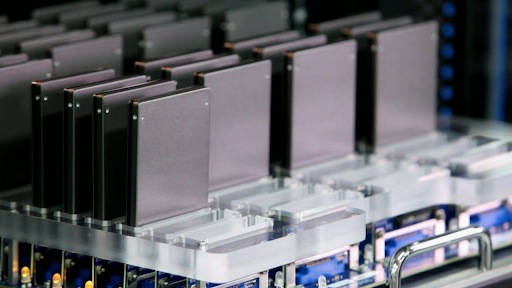
Data centers of the current generation have to process huge amounts of data every second. Cloud computing services, artificial intelligence platforms, virtualization infrastructure, and real-time analysis software systems all depend on fast access to the data. In line with the expansion of the digital activities of businesses, the performance of the storage infrastructure is considered to be among the key factors affecting the efficiency of the total infrastructure.
The increasing attention of business leaders and IT specialists is directed at solutions that will be able to provide performance and will not create bottlenecks. Traditional solutions for the storage infrastructure cannot provide the required performance, and innovations in the field of storage systems have become critical.
SSDs are among those technologies that help to transform the modern infrastructure and are essential for the performance of the current data centers.
The need for computing power keeps growing due to the increasing use of cloud computing, big data analysis, and AI solutions. All these operations consume and process huge volumes of data that require storage devices able to match the ever-growing demands on performance.
Today, data centers use advanced solid-state drives due to their absence of storage delays that may hinder the operation of important applications. Fast data access provided by them allows companies to deal with an increasing workload without losing performance.
Finally, data centers should serve many users, applications, and VMs at once. The slightest storage delays may impact the performance of the application itself and even the user experience.
SSDs have transformed the way modern data centers manage and process information. Through the use of flash memory for storing data in place of mechanical storage devices, SSDs achieve significantly faster access to data.
Compared to normal hard drives, which rely on the use of rotating disks and read/write heads to access data, SSDs access information electronically.
This enables them to perform better in conditions of high stress and ensures fast access to data. Removing storage bottlenecks helps maximize the performance of every other component within the infrastructure.
The amount of energy consumed by SSDs is much less than that consumed by regular hard drives. It is especially applicable when there is a need for continuous data access. This leads to improved performance. This approach allows for dealing with many more requests simultaneously compared to the older protocols for storage. Applications needing constant access to data will see their performance enhanced by the increase in speed and efficiency.
For data centers of today, NVMe technology plays an important role when handling workloads related to machine learning, real-time analytics, and high-performance computing. Increased speed when processing information results in better infrastructure performance.
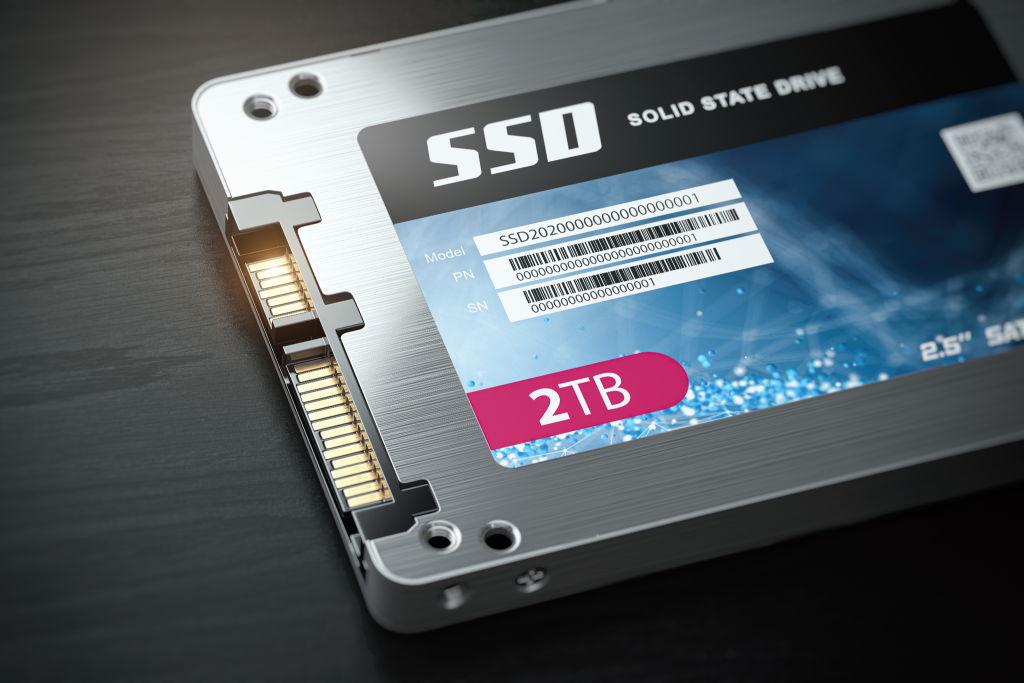
The contemporary data center operates on a 24/7 basis, hence the need for reliability as a factor in choosing the infrastructure components. The failures of storage systems may interrupt the application, affect the processes of the operations, and cause loss of money for businesses.
Organizations that adopt cloud server SSD systems gain advantages due to the use of storage systems that provide consistent performance and work under continuous operations of the business. Reliable storage infrastructure can help avoid problems.
The reason for the durability and reliability of SSDs is that they do not have any moving parts.
Even today, electricity usage accounts for one of the most significant expenses in the operation of a modern data center. As the infrastructure grows, the balance between the needs for efficiency and performance gets harder to maintain.
The consumption of electricity is significantly lower for SSDs than for traditional hard drives. This is particularly true in situations where constant access to data is required.
Heat production is minimized, resulting in fewer cooling needs. All of these factors lead to reduced operational costs and environmental responsibility.
Data centers continually face pressure to store larger amounts of information without dramatically increasing physical infrastructure requirements. Storage density has therefore become an important factor in long-term planning.
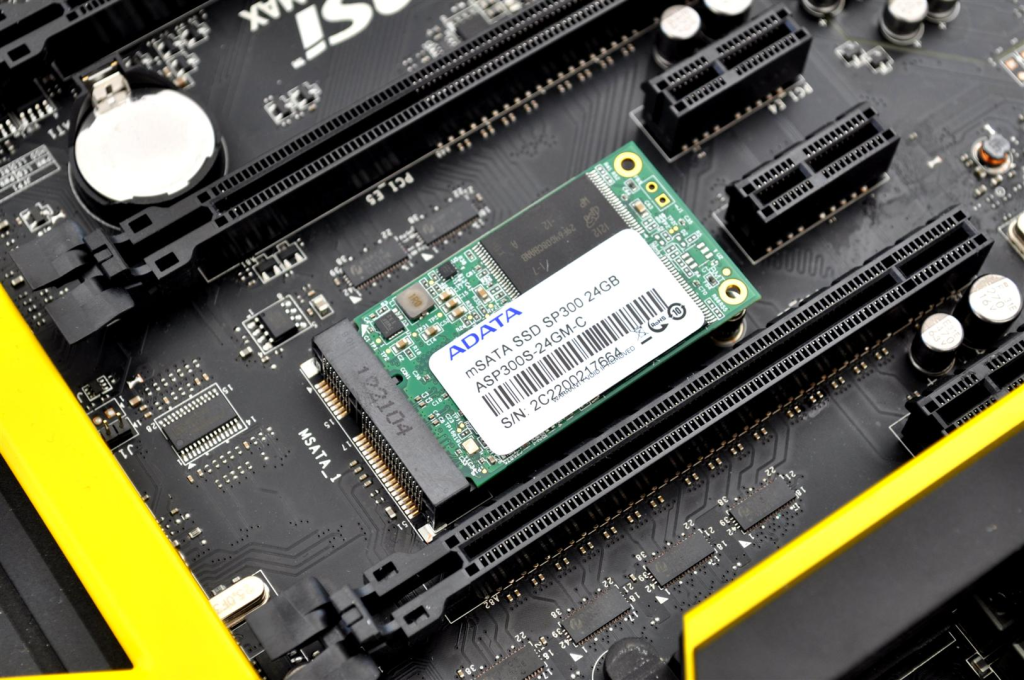
SSD technology today makes it possible for companies to store huge amounts of data in small packages. With the help of advanced flash memory technology, high capacity and good performance can be achieved.
Higher storage density helps organizations take advantage of more effective use of rack space and other resources. The value of such benefits increases as the amount of stored data grows larger.
The future of data centers belongs to technologies that are capable of dealing with increasing demands for speed and scalability. SSDs have been recognized as an integral part of modern infrastructure, as they solve all these problems.
In contrast to suppliers like Dell Technologies and Hewlett-Packard Enterprise, Cloud Ninjas specializes in the provision of performance-oriented infrastructure solutions. Such specialization can help companies choose storage and hardware solutions based on workload needs.
As cloud computing, virtualization, and intensive data applications continue to develop, storage performance becomes a decisive factor in the success of infrastructure. SSDs create an appropriate technological base for this development, becoming one of the most critical elements of the modern data center.
 Spero Agency