 By Torin
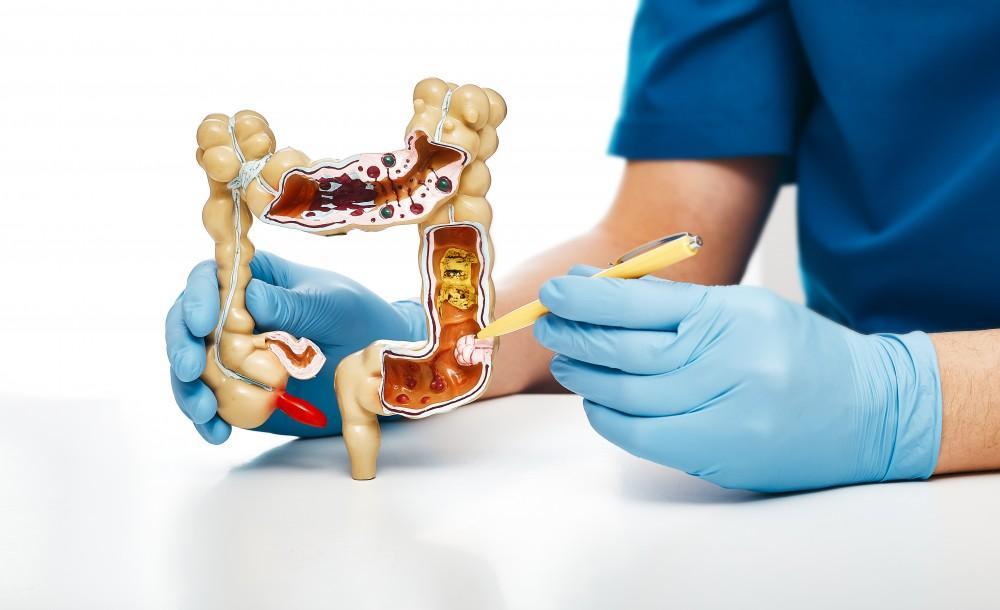
Colorectal health plays an important role in overall well-being, but problems affecting the colon, rectum, and anus are not always easy to discuss. Conditions such as haemorrhoids, anal fissures, and bowel disorders can cause discomfort and affect everyday activities. When these problems persist or require specialist treatment, a colorectal surgeon can help identify the cause and recommend suitable care.
A colorectal surgeon is a medical specialist trained to diagnose and treat conditions affecting the lower digestive system. This includes the large intestine (colon), rectum, and anus. Depending on the condition, treatment may involve medication, lifestyle changes, minimally invasive procedures, or surgery. Early medical attention can also help prevent certain conditions from becoming more complicated.
Patients looking for a Colorectal surgeon Abu Dhabi can explore specialist services. The department provides specialist care for a range of colorectal conditions, helping patients access appropriate assessments, treatment options, and surgical support.
Colorectal surgeons manage several conditions that affect bowel function and the surrounding tissues. Some of the most common include:
Haemorrhoids are swollen blood vessels around the anus or inside the rectum. They may cause itching, discomfort, swelling, and bleeding during bowel movements. Mild cases can often improve with dietary changes, increased fibre intake, and medication. More severe cases may require procedures or surgery.
An anal fissure is a small tear in the lining of the anus that can cause pain and bleeding during bowel movements. An anal fistula is an abnormal tunnel connecting the anal canal to the surrounding skin, often developing after an infection or abscess. Depending on its severity, treatment may involve medication or surgery.
Colorectal cancer develops in the colon or rectum and may cause changes in bowel habits, blood in the stool, unexplained weight loss, or persistent abdominal discomfort. Treatment depends on the cancer’s stage and may include surgery, chemotherapy, radiation therapy, or a combination of approaches.
Conditions such as Crohn’s disease and ulcerative colitis cause inflammation in the digestive tract. While medication is often the first treatment option, some patients may require surgery to manage complications or severe symptoms.
The recommended procedure depends on the patient’s diagnosis, symptoms, and overall health. Common treatments include:
- Colonoscopy: A procedure used to examine the inside of the colon and identify abnormalities, polyps, or signs of disease.
- Haemorrhoid treatment: Procedures that reduce or remove problematic haemorrhoids.
- Fistula surgery: Treatment designed to remove or close abnormal passages while protecting the surrounding muscles.
- Colectomy: Surgery to remove part or all of the colon when medically necessary.
- Minimally invasive surgery: Laparoscopic or robotic techniques that use smaller incisions for certain colorectal operations.
Recovery depends on the type of treatment performed and the patient’s general health. After minor procedures, patients may return to normal activities relatively quickly. More complex operations can require a longer recovery period and additional medical support.
Doctors may recommend a high-fibre diet, adequate hydration, gentle physical activity, and prescribed medication to support healing. Patients should also follow wound-care instructions and attend scheduled follow-up appointments. Severe pain, fever, heavy bleeding, or signs of infection should be reported to a healthcare professional promptly.
Persistent rectal bleeding, painful bowel movements, unexplained changes in bowel habits, recurring anal infections, and ongoing abdominal discomfort should not be ignored. These symptoms do not always indicate a serious condition, but they deserve proper medical assessment.
A colorectal specialist can investigate the underlying cause and explain the available treatment options. Early evaluation is particularly important when symptoms are persistent or worsening.
Colorectal surgeons treat a wide range of conditions affecting the colon, rectum, and anus. From haemorrhoids and anal fissures to colorectal cancer and inflammatory bowel disease, these specialists provide medical and surgical solutions based on individual needs. Understanding the available procedures and recovery process helps patients make informed decisions and seek appropriate care at the right time.