 By Zarshal seo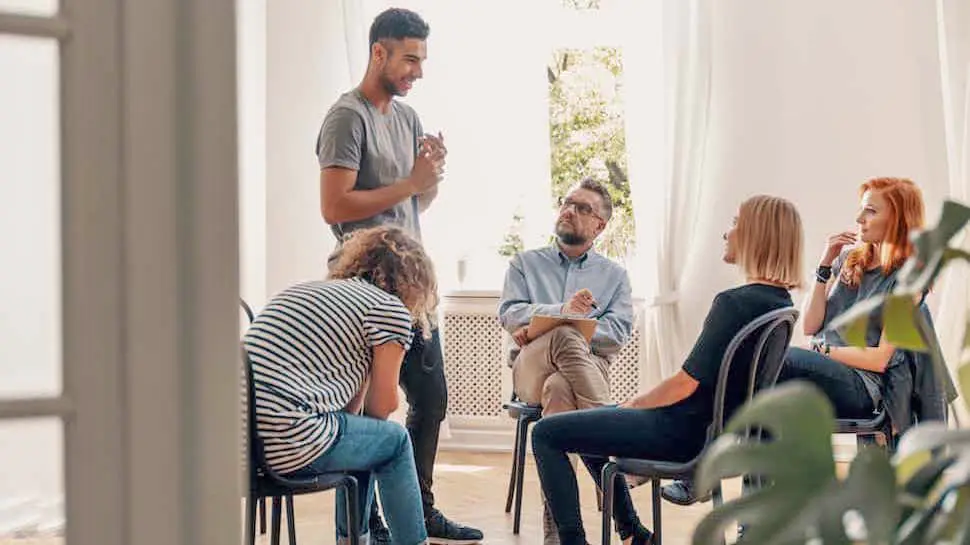
Addiction rarely makes an appearance in daily life; it’s more like a moment of relaxation, a way to deal with problems, or a short-term escape. Many people unknowingly fall into bad habits in a city as demanding as Mumbai, where long job hours, personal stress, and constant pressure are all part of daily life. What starts as a fun drug experience or drinking with friends quickly turns into habit.
Families notice changes in how people feel. It has an effect on employment. Health starts to get worse. In reality, though, most people don’t ask for help because they feel sorry, ashamed, or afraid of being judged. And because people don’t want to help, addiction can spread.
The increasing harm that drugs cause is the real threat linked with addiction, not just the chemicals themselves.
Physical Decline
The body gets tired from drug abuse because it stresses out organs, makes it hard to sleep, lowers the immune system, and throws off the body’s natural balance. Shakes, sickness, intense anxiety, and mental instability are examples of withdrawal signs that can become out of hand without help.
Mental and Emotional Collapse
Emotional separation is another result of addiction. People lose their confidence, get angry, feel hopeless or have panic attacks, and pull away from the people who are important to them. A lot of the time, guilt keeps them in the loop.
Destroyed Connections
Under stress, relationships break down; families suffer, trust erodes, and loved ones feel helpless when someone disappears behind dependence.
Loss of Identity and Future
Individuals cease to recognise themselves. Their goals, desires, and dreams disappear. They start to believe there is no way out.
At this point, expert help becomes not only beneficial but also necessary.
In Mumbai, an organised drug rehabilitation centre in Mumbai serves as the trigger for people to eventually regain control. The certainty, safety, structure, and knowledge that addiction has taken are exactly what groups like the Truehumaniversityfoundation give.
1. Medical Detox Done Safely
Stabilising the body is the first win. While doctors handle withdrawal symptoms, controlled detox makes sure dangerous drugs are removed from the body. In addition to avoiding health problems, this helps the mind repair more deeply.
2. Therapy That Rebuilds the Inner World
Rarely is addiction simply physical; it often stems from worry, mental scars, or painful experiences.
- one-on-one counseling
- group therapy
- behavioral therapy
- coping-skills development
Therapy at a competent rehab centre is intended to find and treat these core problems through.
3. Holistic Rehabilitation for Mind, Body, and Spirit
The Truehumaniversityfoundation goes beyond medicine by including:
- yoga and meditation
- art, music, or dance therapy
- guided contemplation
- nutritional care
- psychiatric support
These methods improve self-esteem, lower stress levels, and re-establish inner balance.
4. A Support System That Never Sleeps
Addiction thrives in solitude, while society promotes healing. People never have to deal with weakness on their own thanks to round-the-clock staff help.
Relapsing is the biggest fear that people have. Addiction may seem like a dead end, but it’s not, according to the thorough rehabilitation programs given by True Humanity Foundation.
- relapse-prevention planning
- ongoing guidance
- follow-up counseling
- emotional support
This is what ensures sobriety doesn’t last for weeks—but for a lifetime.
People may restore their health, relationships, confidence, and future with the proper support system, a loving rehab centre, and evidence-based care.
 Torin
Torin