 By Torin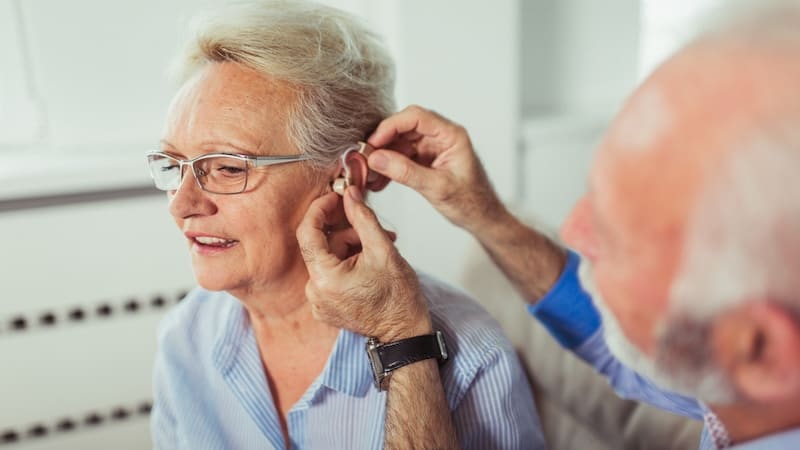
Turning 60 comes with a lot of milestones. Maybe you’re thinking about retirement, travel, or finally getting around to that hobby you’ve put off for years. But there’s one thing that quietly sneaks up on a lot of people this decade, and it’s not something most of us think to check until it becomes a problem: our hearing.

Hearing changes so gradually that many people don’t notice until family members start commenting on the TV volume or they find themselves nodding along in conversations they can’t quite follow. This kind of gradual decline is often described as age-related hearing loss, and your 60s tend to be when it starts becoming noticeable enough to matter.
The good news is that this is also the decade when doing something about it is easier than it’s ever been. New solutions, including OTC hearing aids, mean you don’t need to jump through the same hoops your parents or grandparents might have. But let’s talk about why this particular decade deserves your attention in the first place.
Hearing loss is sneaky. It’s not like a sudden injury where you know exactly what happened and when. Instead, it happens bit by bit, usually starting with higher-pitched sounds, like birds chirping or certain consonants in speech. Words like “th” and “s” get harder to catch, especially in noisy rooms.
By your 60s, this slow erosion has often been happening for years, quietly building up in the background. You might chalk it up to people mumbling more these days, or restaurants being too loud. But if it’s becoming a pattern rather than an occasional annoyance, it’s worth paying attention to.
There’s a reason hearing health professionals often point to the 60s as a turning point. Roughly one in three adults between 65 and 74 experiences some degree of hearing loss, and that number climbs even higher after 75. Catching changes early in your 60s, rather than waiting until your hearing loss is more advanced, tends to lead to better outcomes and an easier adjustment period.
Untreated hearing loss doesn’t just affect your ears either. Research has linked it to increased risks of social isolation, depression, and even a faster rate of cognitive decline. That’s not meant to scare you, just to point out that hearing health is tied to a lot more than simply catching what someone says across the dinner table.
A lot of people don’t realize how much they’ve adapted to hearing loss until it’s pointed out. Some common signs worth noticing:
- Turning up the volume on the TV or phone more than you used to
- Asking people to repeat themselves, especially in group settings
- Struggling to follow conversations in restaurants or at parties
- Feeling exhausted after socializing (this is often from straining to hear)
- Family members mentioning that you seem to be missing things
If any of these sound familiar, it doesn’t necessarily mean anything dramatic. It just means it’s time to get your hearing checked, the same way you’d get your eyes or your blood pressure checked.
One reason people put off dealing with hearing loss is the old-school image of clunky, obvious hearing aids. That perception is honestly outdated now. Devices today are smaller, more discreet, and in a lot of cases, way more affordable than they used to be. You don’t need a prescription or a string of appointments to get started either, which has made it much less of a hassle for people to take that first step.
There’s also just less shame around it in general. Plenty of people in their 60s, 70s, and beyond talk openly about wearing hearing aids the same way they’d mention wearing glasses. It’s a normal part of aging, not a sign of anything going wrong with you.
Start simple. Pay attention to the signs above, and if a few of them ring true, consider getting a baseline hearing test. Many are free or low-cost, and they only take about 20 minutes. From there, you’ll have a clearer picture of where you stand and what your options might be.
If a mild loss shows up, you don’t need to overhaul your life. Small adjustments, like facing people when they talk, reducing background noise where you can, and asking friends and family to speak a bit more clearly (not louder, just clearer) can go a long way. For more noticeable loss, exploring hearing aids sooner rather than later tends to make the adjustment period smoother, since your brain adapts better when it hasn’t had years to compensate for missing sounds.
Your 60s aren’t just about slowing down. They’re also a good time to start paying closer attention to your body, and that includes your hearing. It’s easy to put off, mostly because the changes happen so gradually. But getting ahead of it now, rather than waiting until it’s harder to ignore, tends to make a real difference down the road. Your ears have been working hard for six decades. Giving them a little attention now isn’t a bad way to say thanks.