 By Khizar seo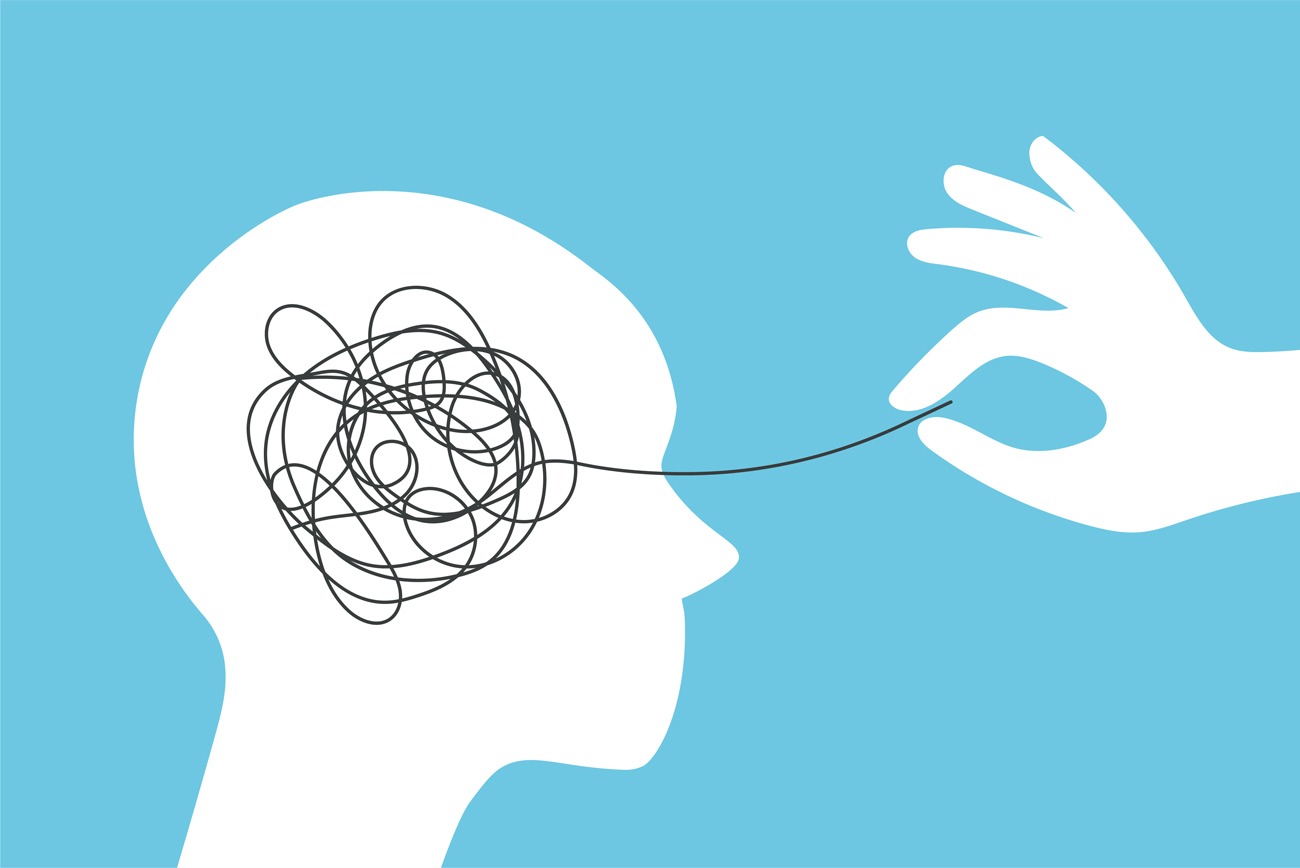
Many men over 40 are stuck in a mode they don’t even realize they’re in.
They wake up tired.
They push through the day on caffeine and willpower.
They fall into bed exhausted — only to repeat it again tomorrow.
This isn’t strength mode. It’s survival mode.
Survival mode keeps men functional, but not thriving. And over time, it drains energy, wrecks hormones, and steals vitality.
The good news? You can shift out of survival mode and into strength mode — where your body supports you instead of fighting you.
Survival mode is a stress response.
When the body feels under constant pressure, it prioritizes survival over performance. That means:
- Higher cortisol (stress hormone)
- Lower testosterone
- Slower metabolism
- Poor sleep
- Low energy
- Reduced recovery
Survival mode doesn’t mean weakness. It means the body thinks it’s under threat — from work pressure, financial stress, lack of rest, or constant stimulation.
As men age, their ability to “power through” stress decreases.
Lower testosterone, slower recovery, and accumulated stress make the body more sensitive. What you could ignore in your 30s now shows up as fatigue, brain fog, weight gain, and low motivation.
Ignoring stress no longer works.
Many men normalize survival mode because it feels familiar.
Common signs include:
- Constant fatigue
- Short temper or irritability
- Brain fog
- Poor sleep
- Loss of strength or muscle
- Stubborn belly fat
- Low libido or drive
If several of these sound familiar, your body is asking for support.
Chronic stress raises cortisol. Cortisol isn’t bad — but too much for too long causes damage.
High cortisol:
- Suppresses testosterone
- Encourages fat storage
- Breaks down muscle
- Disrupts sleep
- Drains energy
You can’t build strength while your body thinks it’s under attack.
Strength mode is the opposite of survival mode.
In strength mode:
- Testosterone is supported
- Cortisol is controlled
- Energy is stable
- Recovery improves
- Focus returns
- Motivation increases
Strength mode doesn’t mean stress-free — it means stress is managed, not constant.
You can’t out-supplement poor fundamentals.
Sleep is non-negotiable.
Aim for:
- 7–8 hours per night
- A consistent bedtime
- A dark, cool room
Sleep is when the body repairs and testosterone is produced.
Movement tells your body it’s safe and capable.
Best options:
- Strength training
- Walking outdoors
- Light mobility work
Exercise reduces stress hormones and increases resilience.
Phones, emails, news, and social media keep the brain in fight-or-flight.
Simple changes:
- No phone first thing in the morning
- Short breaks without screens
- No scrolling before bed
Mental quiet restores hormonal balance.
Stress increases nutrient demand.
Men over 40 often under-eat:
- Protein
- Micronutrients
- Fiber
Poor nutrition increases inflammation and stress.
Eat real food. Support digestion. Avoid extreme restriction.
The gut and brain are directly connected.
Poor gut health increases inflammation and stress signaling. Supporting digestion often leads to:
- Better energy
- Improved mood
- Lower stress response
This is why gut-supporting nutrition is foundational for rebuilding vitality.
Supplements won’t fix burnout alone, but they can help the body recover when used correctly.
High-quality supplements designed for men over 40 help:
- Support gut health
- Balance stress response
- Promote natural testosterone production
This is where a product like TestoGreens MAX fits — supporting digestion, hormone health, and energy as part of a bigger system focused on recovery and strength.
Strength isn’t just pushing harder.
True strength includes:
- Knowing when to rest
- Managing stress
- Protecting sleep
- Supporting hormones
Men don’t need more pressure — they need better systems.
Your body shifts out of survival mode when it feels safe.
Daily signals of safety include:
- Regular meals
- Consistent sleep
- Movement
- Sunlight
- Calm routines
Over time, these habits rebuild hormonal balance.
Men who escape survival mode often notice:
- Steadier energy
- Improved workouts
- Easier fat loss
- Better mood
- Improved confidence
- Better relationships
Life feels manageable again.
The goal isn’t to eliminate stress — it’s to build resilience.
Strength mode is sustainable. Survival mode is not.
Men over 40 still have decades ahead of them. Those decades should be lived with energy, confidence, and purpose — not exhaustion.
If you feel stuck, drained, or worn down, it’s not a personal failure.
It’s a physiological response to chronic stress.
By fixing the basics, supporting gut health, managing stimulation, and using supportive tools like TestoGreens MAX, men can shift from survival mode into strength mode — where vitality returns and life feels powerful again.
You weren’t meant to just survive the second half of life.
You were meant to thrive in it.
 Torin
Torin  IQnewswire
  Umar Awan