 By Sky Bloom IT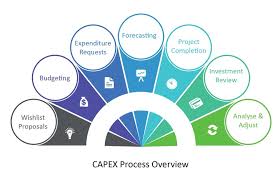
Companies are constantly looking for ways to optimize their spending and improve financial efficiency. One of the key areas where organizations can make a significant impact is in managing capital expenditures (CapEx) and procurement budgets. By implementing effective capex automation strategies, businesses can streamline approval processes, reduce delays, and ensure that every investment aligns with organizational goals. At the same time, smart procurement budget allocation helps companies allocate resources more efficiently, avoid overspending, and make informed financial decisions. In this article, we will explore practical strategies for CapEx automation and smarter procurement budget allocation, highlighting how technology can transform these critical business processes.
Capital expenditure refers to funds used by a business to acquire, upgrade, or maintain physical assets such as property, machinery, or technology. Traditionally, CapEx approval processes are manual, involving multiple layers of management, paperwork, and emails. This can lead to delays, errors, and missed opportunities.
CapEx automation simplifies these processes by using digital tools to manage approvals, track spending, and maintain complete visibility over all expenditures. With automated workflows, managers can set approval rules, ensure compliance with company policies, and monitor real-time budget usage. This not only saves time but also reduces human errors and ensures that financial resources are used wisely.
Some key benefits of CapEx automation include:
- Faster Approvals: Automated workflows remove unnecessary delays, allowing projects to move forward quickly.
- Transparency: Every step of the expenditure process is recorded, giving a clear view of where the money is going.
- Improved Compliance: Automated rules ensure that all expenditures follow company guidelines and regulatory requirements.
- Data-Driven Decisions: Analytics from automation tools help leaders make informed decisions about future investments.
By adopting CapEx automation, companies can create a structured, efficient, and accountable spending process that supports overall business goals.
Procurement budget allocation is about distributing financial resources to different departments or projects in a way that maximizes value and minimizes waste. Without proper allocation, organizations risk overspending in some areas while underfunding critical projects.
Here are some practical strategies for smarter procurement budget allocation:
Start by understanding your organization’s priorities. Allocate more resources to projects that directly contribute to growth, efficiency, or revenue generation. This ensures that every dollar spent has a clear purpose and measurable impact.
Manual tracking of procurement budgets can be time-consuming and prone to errors. By using digital tools for procurement budget allocation, companies can monitor spending in real time, track approvals, and adjust budgets dynamically as priorities change. Automation provides instant alerts for overspending and helps managers make timely adjustments.
Not all expenses are equally important. Categorize expenditures into essential, strategic, and discretionary. Essential expenses should be prioritized first, followed by strategic investments that drive long-term benefits. Discretionary spending should be carefully evaluated to avoid unnecessary costs.
Analyze past spending patterns to understand where money was most effectively used. Historical data can help forecast future budget needs, identify areas of inefficiency, and optimize allocation for maximum return on investment.
Budget allocation is most effective when all relevant departments are involved. Collaboration ensures that financial decisions consider the needs of different teams, avoids duplicate spending, and aligns procurement with overall business objectives.
Markets and business priorities change constantly. Regular reviews of budget allocation help ensure that resources are still being used effectively. Automation tools can generate reports and insights that make these reviews quick and accurate.
The most effective strategy combines capex automation with smart procurement budget allocation. By linking automated CapEx approvals with real-time budget tracking, companies can:
- Prevent overspending before it happens.
- Ensure that approved expenditures align with available budgets.
- Gain complete visibility into both past and planned spending.
- Quickly identify and correct budget discrepancies.
This integration provides a holistic approach to financial management, improving both operational efficiency and strategic decision-making.
CapEx automation and smarter procurement budget allocation are essential for modern organizations aiming to optimize financial efficiency. Automated workflows streamline approval processes, increase transparency, and reduce errors, while intelligent budget allocation ensures resources are used where they matter most.
By adopting these strategies, businesses can save time, reduce costs, and make better-informed financial decisions. Ultimately, the combination of CapEx automation and effective procurement budget allocation empowers companies to invest wisely, achieve their goals faster, and maintain a competitive edge in the market.
Investing in the right tools and processes today will not only simplify financial management but also support long-term growth and sustainability.
 Zarshal seo
  Torin
Torin