 By IQnewswire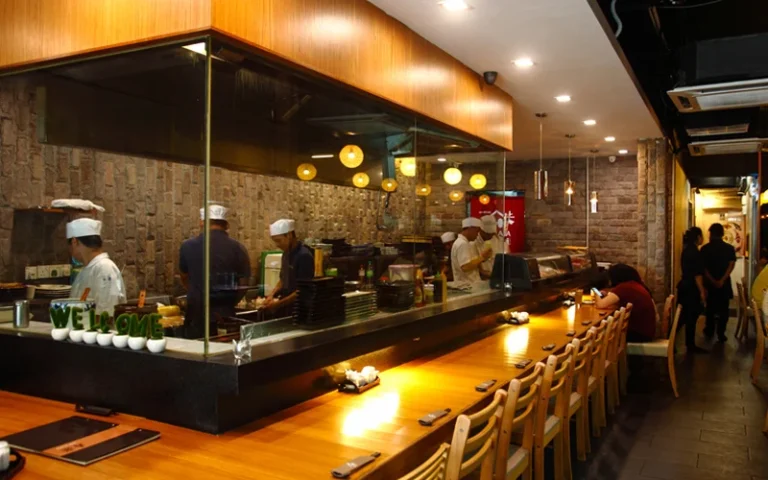
Japanese cuisine continues to gain loyal fans across global cities. In food capitals like Singapore, diners constantly look for precision, balance, and freshness in every dish. Spotting the best Japanese restaurants involves more than finding sushi on a menu. It requires knowing which establishments honour tradition, use premium ingredients, and prepare meals with consistent skill.
Finding a proper sushi experience starts with understanding quality. Sushi chefs in reputable restaurants train for years to master knife work and rice conditioning. They work with premium cuts of seafood, usually flown in from markets in Japan. Tuna belly, sea urchin, scallops, and mackerel must arrive chilled and fresh, not frozen or watery.
The best Japanese restaurants serving sushi offer limited menus and season-based selections. Many use omakase-style service, where the chef curates courses in real time. This keeps the experience tailored, ingredient-driven, and free of shortcuts. Rice texture, fish temperature, and nori crispness remain consistent across servings.
Sushi counters worth visiting often seat fewer diners, allowing chefs to serve dishes immediately. They skip overdone sauces and unnecessary garnishes. Instead, they highlight the natural taste of each cut. Some restaurants also offer aburi (torched) options and aged fish for flavour variety without compromising authenticity.
Ramen appears simple at first—noodles, broth, toppings. But good ramen demands balance. The broth must stay rich but not greasy. The noodles must spring back with each bite. Toppings must enhance without overcrowding. Tonkotsu (pork bone) broth restaurants simmer bones for hours to get a creamy texture without shortcuts.
Ramen chefs focus on specific styles. Some restaurants specialise in shoyu (soy-based) or miso broths. Others do tsukemen (dipping noodles). The best Japanese restaurants often prepare their own noodles, adjusting firmness based on broth density. Toppings like chashu pork, ajitsuke tamago (flavoured eggs), bamboo shoots, and nori are kept fresh and evenly portioned.
Customisation adds flexibility without hurting authenticity. Some places let diners pick noodle firmness, salt level, or broth richness. However, the best bowls come crafted as chef-designed sets rather than build-your-own. Ramen counters with open kitchens also provide transparency, showing technique and preparation in real time.
Yakiniku focuses on grilling meat, mostly beef, with minimal marinades. Premium cuts such as wagyu ribeye, karubi (short ribs), and tongue are sliced thinly. Proper yakiniku restaurants offer smokeless grills and vent systems, keeping the atmosphere clean without losing that grilled aroma.
Staff assist with cooking for some cuts, especially thicker ones, needing even heat. Quality restaurants use dipping sauces like tare and miso-based blends sparingly, allowing meat flavour to remain dominant. Seasoning stays light—usually just salt, pepper, or sesame oil.
Side dishes like cold tofu, kimchi, and rice balance the smoky meat. Diners typically enjoy grilling at their own pace, and the best Japanese restaurants offering yakiniku provide high-grade charcoal or infrared setups. Some also rotate seasonal vegetables and off-menu items, adding freshness to the experience.
ALSO READ: Fancy Restaurants in Singapore: Diverse, Decadent, and Surprisingly Approachable
Kaiseki and omakase dining stand at the peak of Japanese culinary tradition. Kaiseki meals focus on seasonality and progression, beginning with appetisers and moving to soup, sashimi, grilled dishes, and dessert. Omakase puts full trust in the chef to design the menu based on daily ingredients.
Only a few restaurants execute these styles with consistency. Top chefs stay updated on fish market availability and seasonal produce. Ingredients change monthly, even weekly. Dishes follow a visual and taste narrative, focusing on colour, texture, and umami depth.
The best Japanese restaurants doing omakase never overload servings. Each dish arrives with a reason—sometimes a story. Chefs explain flavour profiles, ingredients, and preparation. Servers maintain silence or soft dialogue, keeping attention on the plate. Dining in these restaurants becomes less about eating and more about experiencing a culinary timeline.
Not every Japanese meal must come with multi-course extravagance. Casual spots offering donburi (rice bowls), tempura, udon, or karaage (fried chicken) deliver authentic taste when done well. Quality comes from cooking consistency, not just price or location.
Look for places that use short-grain rice, clean frying oil, and house-made sauces. The best Japanese restaurants in this tier avoid frozen produce and over-microwaved meals. Tempura should stay light and crisp, not soggy or greasy. Chicken stays juicy without excessive batter. Broths for udon stay light but flavourful.
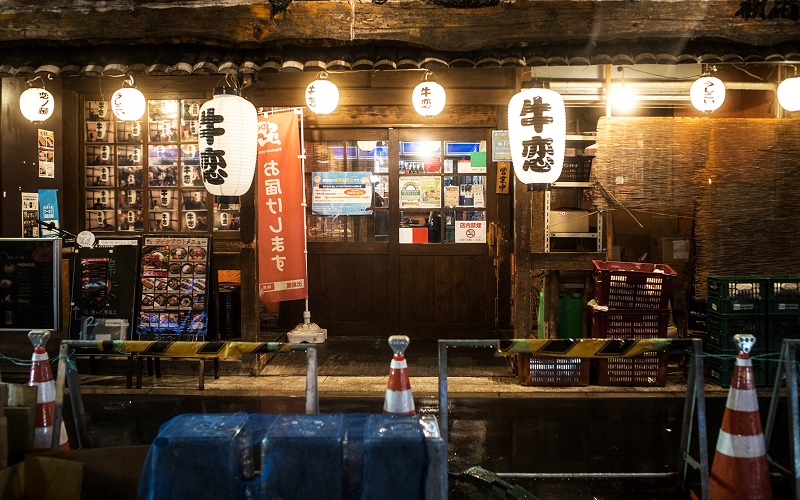
Lunch sets and single-dish meals provide affordable yet authentic options. Good casual Japanese dining often hides in neighbourhood joints rather than tourist strips. Spots with long queues, quick turnover, and quiet mastery often surprise with better food than glossier venues.
Finding the best Japanese restaurants involves more than scrolling through reviews. From knife skills in sushi bars to charcoal grilling at yakiniku counters, quality lies in precision and commitment. Trust your palate, look beyond the branding, and seek kitchens where tradition leads every plate.
Discover more dining tips, food guides, and lifestyle insights by visiting Taste of SG.
 Torin
Torin  Spero Agency