 By Torin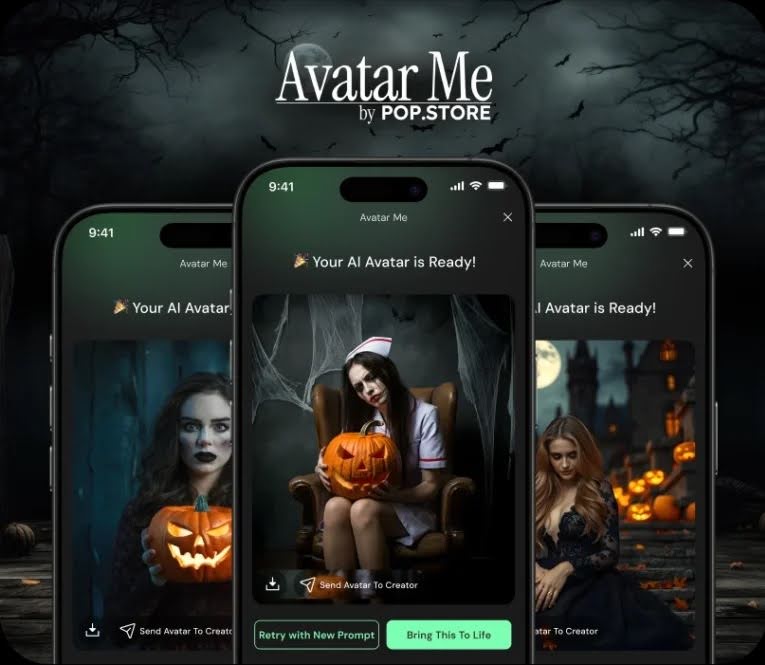
The landscape of Halloween celebrations is undergoing a dramatic transformation as we head into the spookiest season of 2025. While traditional trick-or-treating and physical costumes remain beloved traditions, a new frontier is emerging that’s capturing the imagination of digital natives and creative entrepreneurs alike. The rise of avatar-based Halloween celebrations is not just a trend—it’s a fundamental shift in how we express creativity, connect with others, and celebrate the supernatural season. This Halloween 2025 promises to be the most digitally immersive yet, with virtual costume parties, augmented reality experiences, and personalized digital identities taking center stage.
Halloween has always been about transformation—the magical ability to become someone or something else for one night. In 2025, this transformation extends far beyond physical costumes into the realm of digital avatars, virtual reality experiences, and augmented reality filters. The traditional boundaries between physical and digital celebrations are blurring, creating unprecedented opportunities for creative expression and community building.
The modern Halloween enthusiast isn’t limited to what they can physically wear or afford. Instead, they can craft elaborate digital personas that defy the laws of physics, budget constraints, and even imagination’s traditional limits. From fire-breathing dragons to ethereal ghosts that actually glow and phase through virtual walls, the possibilities are endless. This shift represents more than just technological advancement—it’s a democratization of Halloween creativity.
Digital platforms have become the new haunted houses, virtual spaces where people gather to showcase their creativity, participate in costume contests, and engage in immersive Halloween experiences. Social media feeds transform into digital galleries of supernatural artistry, while gaming platforms host elaborate Halloween events that can last for weeks rather than a single night.
The concept of avatar Halloween costumes represents a fascinating intersection of technology, creativity, and traditional Halloween spirit. Unlike static profile pictures or simple character customization, these digital costumes are dynamic, interactive, and often more expressive than their physical counterparts. They can incorporate elements that would be impossible in the real world: shifting forms, supernatural abilities, interactive components that respond to other users, and visual effects that would require Hollywood-level production budgets.
Creating compelling avatar halloween costume designs requires understanding both traditional costume principles and digital aesthetics. The best digital Halloween costumes maintain the essential elements that make physical costumes effective—recognizable themes, creative interpretation, attention to detail, and personal expression—while leveraging digital capabilities to enhance these elements beyond physical limitations.
The psychology behind avatar costume creation is particularly intriguing. When designing digital Halloween personas, people often express aspects of their personality that they might not comfortable displaying in physical form. The anonymity and creative freedom of digital spaces allows for more experimental and bold costume choices, leading to truly unique and memorable Halloween expressions.
The technology powering today’s avatar costume creation has reached remarkable sophistication. Advanced rendering engines now support real-time lighting effects, particle systems for magical elements like spell effects or ghostly auras, and complex animation systems that bring digital costumes to life. Machine learning algorithms can even generate costume suggestions based on user preferences, popular trends, and seasonal themes.
Modern avatar creation tools offer unprecedented customization options. Users can adjust everything from fabric textures and color palettes to supernatural effects and animated elements. Advanced physics engines ensure that digital costumes move naturally, with flowing capes, realistic hair movement, and dynamic elements that respond to virtual environments.
The integration of augmented reality technology has created hybrid costume experiences where digital elements overlay physical presence. Users can wear simple physical props while their digital avatar displays elaborate supernatural effects, creating a seamless blend of physical and digital Halloween expression.
For creative entrepreneurs and content creators, the avatar costume market represents an enormous opportunity. The demand for unique, high-quality digital Halloween costumes is growing exponentially, driven by the increasing sophistication of virtual platforms and the growing comfort with digital self-expression.
Successful digital costume creators understand that their audience values originality, quality, and the ability to express individual personality. The most popular avatar costumes often include customizable elements that allow users to add personal touches while maintaining the core theme. Interactive features, such as costumes that respond to user actions or environmental triggers, command premium prices and generate significant engagement.
The subscription model has proven particularly effective in the digital costume space. Rather than selling individual costumes, many successful creators offer monthly packages that include new seasonal designs, exclusive accessories, and early access to limited-edition items. This approach provides steady revenue while building dedicated communities of enthusiastic customers.
One of the most remarkable aspects of the avatar costume revolution is how it’s fostering new forms of community building. Virtual Halloween parties can accommodate thousands of participants from around the world, each showcasing their unique digital costumes in shared virtual spaces. These events often feature interactive elements like costume contests, virtual haunted houses, and collaborative storytelling experiences.
Social media integration amplifies these community experiences, allowing participants to share their avatar costumes across multiple platforms and engage with broader audiences. The viral nature of exceptional digital costumes can transform unknown creators into recognized influencers within the Halloween community.
Gaming platforms have become particularly important venues for avatar costume showcasing. Many popular games now host elaborate Halloween events where players’ costume creativity becomes part of the gameplay experience. These events often generate significant engagement and provide valuable exposure for costume creators.
The business potential within the avatar costume space extends far beyond simple costume sales. Successful entrepreneurs are developing comprehensive ecosystems that include costume creation tools, community platforms, educational content, and premium services. The stan store model has proven particularly effective for creators looking to monetize their digital Halloween content while building sustainable businesses.
Educational content around avatar costume creation has emerged as a significant revenue stream. Tutorials, design courses, and technical workshops attract audiences willing to pay premium prices for expert instruction. The complexity of advanced costume creation techniques means that educational content remains valuable and relevant across multiple Halloween seasons.
Collaboration opportunities abound in the digital costume space. Partnerships between costume creators, virtual event organizers, and technology platforms create synergistic relationships that benefit all parties while providing enhanced experiences for end users.
As we look toward the future of Halloween celebrations, it’s clear that digital and physical experiences will continue to converge in innovative ways. Emerging technologies like advanced haptic feedback, improved augmented reality systems, and more sophisticated artificial intelligence will further enhance the avatar costume experience.
The environmental impact of digital costumes also represents a significant advantage over traditional manufacturing-intensive Halloween products. Digital costumes can be created, modified, and shared without physical materials, transportation, or waste, making them an environmentally sustainable option for eco-conscious consumers.
The global reach of digital platforms means that Halloween celebrations are becoming truly international phenomena. Cultural exchange through avatar costumes allows people to share Halloween traditions across geographical boundaries, creating richer and more diverse celebration experiences.
Creating professional-quality avatar costumes requires understanding various technical aspects including 3D modeling, texture mapping, animation principles, and platform-specific optimization requirements. Different virtual platforms have unique technical specifications, and successful costume creators must adapt their designs to work effectively across multiple environments.
File size optimization becomes crucial when designing costumes for real-time applications. Balancing visual quality with performance requirements demands sophisticated understanding of compression techniques, level-of-detail systems, and efficient asset management. The most successful digital costumes achieve stunning visual effects while maintaining smooth performance across various devices and internet connection speeds.
Version control and update management represent important considerations for costume creators building sustainable businesses. Digital costumes may require updates for new platform features, seasonal modifications, or user-requested improvements. Establishing efficient workflows for managing these updates ensures customer satisfaction and reduces long-term maintenance overhead.
Effective marketing of avatar Halloween costumes requires understanding both digital marketing principles and the unique characteristics of the Halloween audience. Seasonal timing becomes critical—successful campaigns often begin months before Halloween to capture early adopters while maintaining momentum through the peak season.
Content marketing proves particularly effective in the avatar costume space. Behind-the-scenes creation videos, design tutorials, and user-generated content featuring customer costumes create engaging narratives that resonate with target audiences. Social media platforms reward consistent, high-quality content with increased visibility and engagement.
Influencer partnerships within the gaming and virtual reality communities provide access to highly engaged audiences who value creative digital expression. Collaborating with established virtual world content creators can dramatically expand reach while building credibility within relevant communities.
The transformation of Halloween celebrations through avatar costumes represents more than technological novelty—it’s a fundamental evolution in how we express creativity, build communities, and celebrate seasonal traditions. As we approach Halloween 2025, the opportunities for creative entrepreneurs, content creators, and Halloween enthusiasts continue to expand at an unprecedented pace.
The success stories emerging from the digital costume space demonstrate that combining traditional Halloween spirit with cutting-edge technology creates powerful opportunities for both creative expression and business development. Whether you’re a individual looking to create the perfect digital Halloween persona or an entrepreneur seeking to build a business around avatar costume creation, the digital Halloween revolution offers unlimited potential for innovation and success.
The future of Halloween is both digital and physical, individual and communal, traditional and revolutionary. By embracing these possibilities and understanding the unique opportunities they present, creators and entrepreneurs can position themselves at the forefront of this exciting transformation in how we celebrate the spookiest season of the year.
Q: What exactly is an avatar Halloween costume? A:
An avatar Halloween costume is a digital outfit or appearance designed for virtual characters or online personas. These costumes can include supernatural effects, animations, and interactive elements that wouldn’t be possible with physical costumes, allowing users to transform their digital presence for Halloween celebrations.
Q: How do I create my own avatar Halloween costume?
A: Creating avatar costumes typically requires 3D modeling software, digital art skills, and understanding of the specific platform where you’ll use the costume. Many platforms offer built-in creation tools, while more advanced costumes may require external software like Blender, Maya, or specialized avatar creation applications.
Q: Can I sell digital Halloween costumes I create?
A: Yes, there’s a growing market for digital Halloween costumes. Many creators sell their designs through virtual marketplaces, direct sales platforms, or subscription services. Success requires understanding your target audience, creating high-quality designs, and effective marketing strategies.
Q: Are digital Halloween costumes compatible across different platforms?
A: Compatibility varies significantly between platforms due to different technical specifications and file format requirements. Most costumes need platform-specific versions, though some creators develop universal designs that can be adapted for multiple virtual environments.
Q: How much can I charge for custom avatar Halloween costumes?
A: Pricing varies widely based on complexity, exclusivity, and target market. Simple costumes might sell for $5-20, while elaborate custom designs can command $100-500 or more. Subscription models and bundle packages often provide more stable revenue streams.
Q: What’s the difference between avatar costumes and regular digital art?
A: Avatar costumes are specifically designed to be worn by digital characters and often include interactive elements, animations, and platform-specific functionality. Regular digital art is typically static imagery, while avatar costumes are dynamic, wearable digital assets designed for virtual environments.
Keep an eye for more latest news & updates on MoonValleyNews!