 By ENGRNEWSWIRE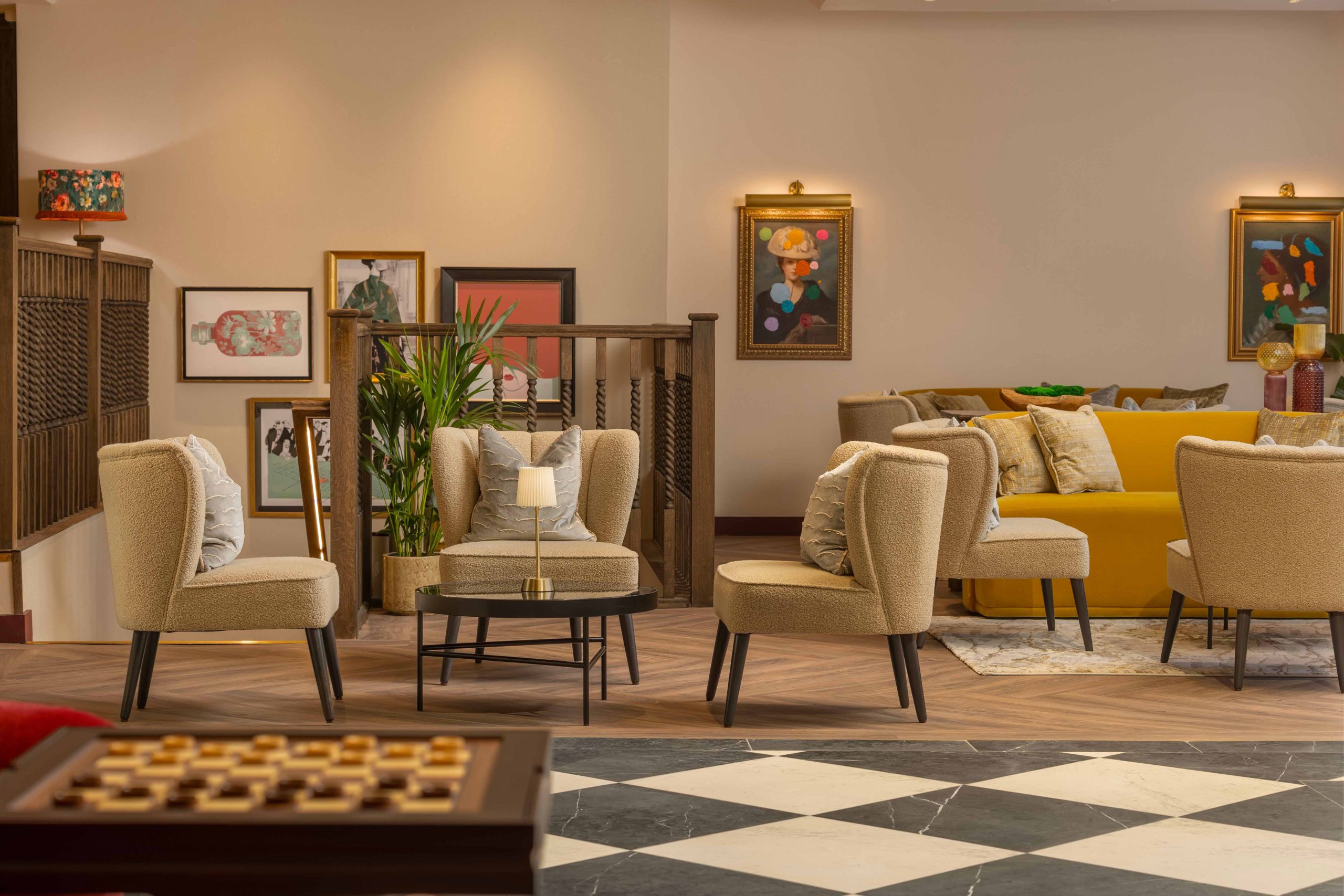
A well-designed commercial space does more than look attractive—it creates memorable experiences, strengthens brand identity, and encourages customers to return. Whether it’s a boutique hotel, upscale restaurant, café, resort, or coworking lounge, the expertise of a Hospitality Interior Designer plays a crucial role in shaping spaces that are both functional and visually appealing.
Today’s hospitality industry is highly competitive, and customers expect more than quality service. They want environments that feel welcoming, comfortable, and unique. Modern interior design combines creativity with practicality, ensuring every space delivers an exceptional guest experience while supporting efficient business operations.
A Hospitality Interior Designer specializes in creating interiors for businesses that serve guests and customers. Their work involves much more than selecting furniture and décor. They carefully plan layouts, lighting, color schemes, materials, and finishes to create spaces that reflect a brand’s identity while maximizing comfort and functionality.
Hospitality designers work on a wide variety of commercial spaces, including:
- Hotels and resorts
- Restaurants and cafés
- Bars and lounges
- Event venues
- Conference centers
- Luxury apartments
- Clubs and entertainment venues
- Wellness and spa facilities
Each project is tailored to the client’s goals, target audience, and operational requirements.
The appearance and functionality of a commercial property have a direct impact on customer satisfaction. Guests often form opinions within seconds of entering a building, making thoughtful interior design an essential investment.
A professionally designed hospitality space can:
- Create a positive first impression
- Enhance customer comfort
- Improve brand recognition
- Increase customer retention
- Encourage positive online reviews
- Support higher revenue and occupancy rates
Businesses that invest in attractive, functional interiors often gain a competitive advantage in crowded markets.
One of the primary goals of a hospitality interior designer is to create spaces that guests enjoy spending time in. Every design decision contributes to the overall atmosphere, from lighting and furniture to artwork and textures.
Hotels aim to make guests feel relaxed and welcome, while restaurants focus on creating inviting dining environments. Comfortable seating, pleasant acoustics, and carefully selected lighting all help shape memorable experiences that encourage repeat visits.
Modern hospitality design also considers customer behavior, ensuring spaces are easy to navigate and enjoyable to use.
Beautiful interiors must also support efficient operations. A hospitality interior designer carefully balances aesthetics with functionality to ensure both guests and staff benefit from the layout.
Examples include:
- Efficient reception areas
- Comfortable guest rooms
- Practical restaurant seating arrangements
- Accessible public spaces
- Organized service areas
- Optimized kitchen workflows
Thoughtful planning improves operational efficiency while maintaining a seamless customer experience.
Every hospitality business has its own personality. Interior design helps communicate that identity through consistent visual elements.
Luxury hotels often feature elegant finishes, premium materials, and sophisticated lighting, while casual cafés may embrace natural textures, warm colors, and relaxed seating. Restaurants frequently use design to complement their cuisine and dining style, creating an atmosphere that enhances the overall experience.
Strong branding throughout the interior helps customers recognize and remember the business long after their visit.
Commercial hospitality design continues to evolve as customer preferences change. Today’s interiors prioritize comfort, sustainability, and flexibility while incorporating modern technology.
Popular design trends include:
Sustainable Materials
Many businesses now choose eco-friendly flooring, recycled materials, energy-efficient lighting, and responsibly sourced furniture to reduce environmental impact while appealing to environmentally conscious customers.
Natural Elements
Biophilic design has become increasingly popular. Indoor plants, natural wood finishes, stone textures, and large windows help create calming environments that improve guest wellbeing.
Smart Technology
Modern hospitality spaces often include smart lighting, digital room controls, contactless check-in systems, and integrated charging stations, offering greater convenience for guests.
Flexible Spaces
Hotels and commercial venues increasingly design multipurpose areas that can easily adapt for meetings, dining, events, or remote work.
Interior design directly influences how guests feel during their visit. Comfortable furniture, pleasant lighting, attractive décor, and thoughtful layouts create environments where customers naturally want to spend more time.
Restaurants with inviting dining spaces often encourage longer visits and increased spending. Hotels with relaxing guest rooms and welcoming public areas receive stronger reviews and higher guest satisfaction scores.
Positive customer experiences frequently lead to repeat bookings, recommendations, and greater brand loyalty.
Hiring an experienced Hospitality Interior Designer is a long-term investment rather than a simple renovation expense. Professionally designed interiors can increase occupancy rates, improve customer retention, and strengthen a company’s market position.
Modern commercial spaces are also highly shareable on social media. Guests regularly post photos of stylish hotel lobbies, beautifully designed restaurants, and unique cafés, providing valuable word-of-mouth marketing that attracts new customers.
As customer expectations continue to rise, businesses with updated interiors are better equipped to remain competitive.
Selecting the right designer is essential for achieving the desired results. Look for professionals with experience in hospitality projects, a strong portfolio, and an understanding of commercial operations.
An experienced designer should offer:
- Customized design concepts
- Space planning expertise
- Material and furniture selection
- Lighting design
- Brand-focused solutions
- Project management support
- Compliance with safety and accessibility standards
Working with a knowledgeable designer ensures your project is completed efficiently while delivering a space that supports both customer satisfaction and business success.
A skilled Hospitality Interior Designer transforms ordinary commercial spaces into exceptional destinations that leave lasting impressions. By combining creativity, functionality, sustainability, and modern design principles, they help hotels, restaurants, cafés, and other hospitality businesses create environments where guests feel comfortable, welcomed, and inspired.
Whether you’re launching a new hospitality venture or renovating an existing property, investing in modern design solutions can improve customer experiences, strengthen your brand, and drive long-term business growth. In today’s competitive hospitality industry, outstanding interior design is no longer a luxury—it’s a strategic advantage that helps businesses stand out and succeed.
 Zarshal seo
  IQnewswire