 By William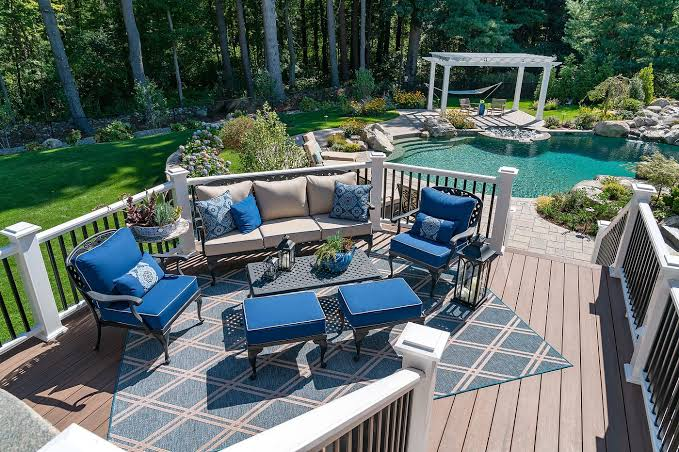
Outdoor spaces have become an important extension of modern homes. A backyard, patio, terrace, or garden area is no longer viewed as just an empty space outside the house. With thoughtful planning, it can become a comfortable environment for cooking, dining, relaxing, and spending quality time with family and friends.
A well-designed outdoor entertainment area allows homeowners to enjoy fresh air while creating a place for gatherings, celebrations, and everyday relaxation. Whether the available space is large or small, the right combination of furniture, lighting, layout, and functional features can transform an ordinary outdoor area into a welcoming living space.
The most successful outdoor entertainment designs focus on comfort and practicality. The goal is not simply to add decorations but to create an environment that supports the way people actually live.
Before designing an outdoor entertainment area, it is important to consider how the space will be used. Every family has different needs, and the design should reflect those activities.
Some homeowners may want a space focused on outdoor cooking and meals, while others may prefer a relaxing area for conversations, children’s activities, or weekend gatherings. Understanding the main purpose of the space helps determine the right furniture, layout, and features.
A family that enjoys hosting guests may need a larger dining arrangement, while a smaller household may benefit from a comfortable seating area with a compact cooking station.
The best outdoor spaces are designed around real lifestyle habits rather than simply following design trends.
Outdoor cooking is one of the most popular features in entertainment areas because it combines food preparation with social interaction. Instead of staying inside the kitchen while guests gather outside, homeowners can create a cooking environment where everyone can participate.
A basic outdoor cooking area may include a grill, preparation surface, storage space, and serving area. Larger spaces can include more advanced features such as outdoor kitchens, refrigerators, sinks, and built-in cooking stations.
The placement of cooking equipment is important. It should be close enough to the dining area for convenience but positioned safely away from seating areas, especially when using heat-producing appliances.
Good outdoor cooking design also considers weather protection. Shade structures, pergolas, umbrellas, or covered patios can make cooking more comfortable during hot or rainy weather.
An outdoor dining area should feel like a natural extension of the indoor dining experience. Comfort, accessibility, and atmosphere are key elements.
Choosing the right table and chairs depends on the size of the space and the number of people regularly using it. A large dining table works well for families who frequently entertain guests, while smaller spaces may benefit from compact tables or flexible furniture.
Materials should be selected carefully because outdoor furniture must handle changing weather conditions. Durable materials such as treated wood, metal, and weather-resistant synthetic materials can provide long-term performance.
Comfort should not be ignored. Adding cushions, outdoor rugs, and suitable lighting can make outdoor dining areas feel warmer and more inviting.
A good outdoor entertainment area should feel open and easy to navigate. Poor furniture placement can make a space feel crowded and uncomfortable.
The layout should allow enough room for:
- Walking between areas
- Serving food
- Moving chairs comfortably
- Children playing safely
Creating separate zones can improve functionality. For example, a cooking zone can be placed near the kitchen, a dining zone can occupy the central area, and a relaxation zone can be positioned in a quieter corner.
This type of arrangement creates a natural flow and allows multiple activities to happen at the same time.
Not every outdoor activity revolves around eating. Many families use outdoor spaces for conversation, relaxation, reading, and evening gatherings.
Comfortable seating can include outdoor sofas, lounge chairs, benches, or cushioned chairs. The goal is to create an area where people naturally want to spend time.
When selecting outdoor seating, consider durability and maintenance. Fabrics should resist moisture and fading, while furniture materials should be suitable for local weather conditions.
Adding soft elements such as cushions and throws can make outdoor areas feel more like indoor living rooms.
Lighting plays a major role in outdoor entertainment design. A space that looks beautiful during the day may feel uncomfortable at night without proper lighting.
A combination of functional and decorative lighting creates the best results.
Pathway lights improve safety by illuminating walking areas. Pendant lights or hanging fixtures can create a dining atmosphere, while soft garden lights can highlight plants and architectural features.
Warm lighting is often preferred because it creates a relaxing and welcoming mood. Bright security lighting may be useful around entrances, but entertainment areas usually benefit from softer illumination.
Weather protection increases the usability of outdoor areas throughout the year. Without proper protection, outdoor furniture may deteriorate quickly and comfort may be limited.
Possible solutions include:
- Covered patios
- Pergolas
- Retractable shades
- Outdoor curtains
- Weather-resistant furniture covers
A protected outdoor area allows families to enjoy the space in different seasons rather than only during perfect weather.
Outdoor entertainment areas naturally connect with gardens and landscapes. Using plants and natural elements can improve beauty and create a more relaxing environment.
Plants can be used to:
- Create privacy
- Add color
- Reduce harsh visual areas
- Improve atmosphere
Large planters, vertical gardens, and decorative greenery can work well even in small outdoor spaces.
Natural materials such as wood, stone, and woven textures also help create a comfortable outdoor feeling.
Families with children need outdoor areas that support different activities. A well-planned entertainment space can include areas where children can play while adults relax nearby.
Design considerations may include:
- Safe walking surfaces
- Open play areas
- Durable furniture
- Storage for outdoor toys
- Shade protection
The layout should allow adults to supervise children easily while still maintaining an attractive appearance.
Outdoor spaces should support family connection rather than restrict activities.
Modern outdoor areas often include features designed specifically for entertainment.
Depending on budget and available space, homeowners may consider:
- Outdoor speakers
- Television areas
- Fire pits
- Water features
- Game areas
- Outdoor bars
These features should be added thoughtfully. The purpose is to improve enjoyment, not overcrowd the space.
A simple outdoor area with comfortable seating and good lighting can often provide more enjoyment than an overly complicated design.
Limited space does not prevent homeowners from creating attractive entertainment areas. Small balconies, terraces, and compact yards can become useful with careful planning.
Space-saving ideas include:
- Foldable furniture
- Vertical gardens
- Built-in benches
- Multi-purpose storage
- Compact cooking equipment
The key is selecting features that provide maximum value without overwhelming the area.
Small spaces often feel more comfortable when they are intentionally designed rather than filled with too many items.
Outdoor environments expose materials to sunlight, rain, wind, and temperature changes. Choosing durable materials reduces maintenance and extends the life of the space.
Important considerations include:
- Weather resistance
- Easy cleaning
- Long-term durability
- Safety
Furniture, flooring, and decorative elements should all be selected based on outdoor performance rather than appearance alone.
A beautiful outdoor area should also be practical and easy to maintain.
Outdoor entertainment does not end when the sun goes down. Evening design elements can make the space more enjoyable after dark.
Consider adding:
- Soft lighting
- Comfortable blankets
- Outdoor heaters
- Fire features
- Background music
These details create an atmosphere where people can relax and spend more time outside.
A thoughtfully designed evening environment can turn a simple backyard into a memorable gathering place.
Many outdoor spaces fail because they are designed without considering daily use.
Common mistakes include choosing uncomfortable furniture, ignoring weather conditions, creating poor lighting, or adding too many decorative elements.
Another common problem is forgetting storage. Outdoor cushions, cooking tools, and accessories need proper storage to keep the area organized.
A successful design balances beauty with everyday practicality.
The true purpose of an outdoor entertainment area is connection. It creates opportunities for families and friends to spend time together away from screens and indoor routines.
A successful outdoor space does not need to be expensive or large. It needs to be comfortable, functional, and designed around the activities people enjoy most.
With careful planning, even a simple outdoor area can become one of the most valuable parts of a home.
Creating an outdoor entertainment area for cooking, dining, and family activities is an investment in lifestyle and comfort. By focusing on practical layout, durable materials, comfortable furniture, effective lighting, and personal needs, homeowners can transform outdoor spaces into beautiful extensions of their homes.
The best outdoor areas are not defined by size or luxury. They are defined by how well they support relaxation, connection, and everyday enjoyment.
An outdoor entertainment area can be created in spaces of many sizes. Even a small balcony or patio can become functional with compact furniture and smart planning.
Weather-resistant furniture made from durable materials such as treated wood, metal, or outdoor-rated synthetic materials is usually the best choice.
Use warm lighting, comfortable seating, outdoor blankets, heaters, or fire features to create a relaxing evening environment.
A practical layout is essential. Cooking equipment should be convenient to use while keeping enough space for movement and safety.
Use weather-resistant materials, protective covers, storage solutions, and covered areas to extend furniture life.
Yes. Start with basic improvements such as comfortable seating, lighting, plants, and simple cooking equipment. Additional features can be added over time.
Use vertical plants, compact furniture, light colors, good lighting, and avoid overcrowding the space.
Matching styles can create a smoother transition between indoor and outdoor spaces, but outdoor areas can also have their own unique character.