 By Awais Shamsi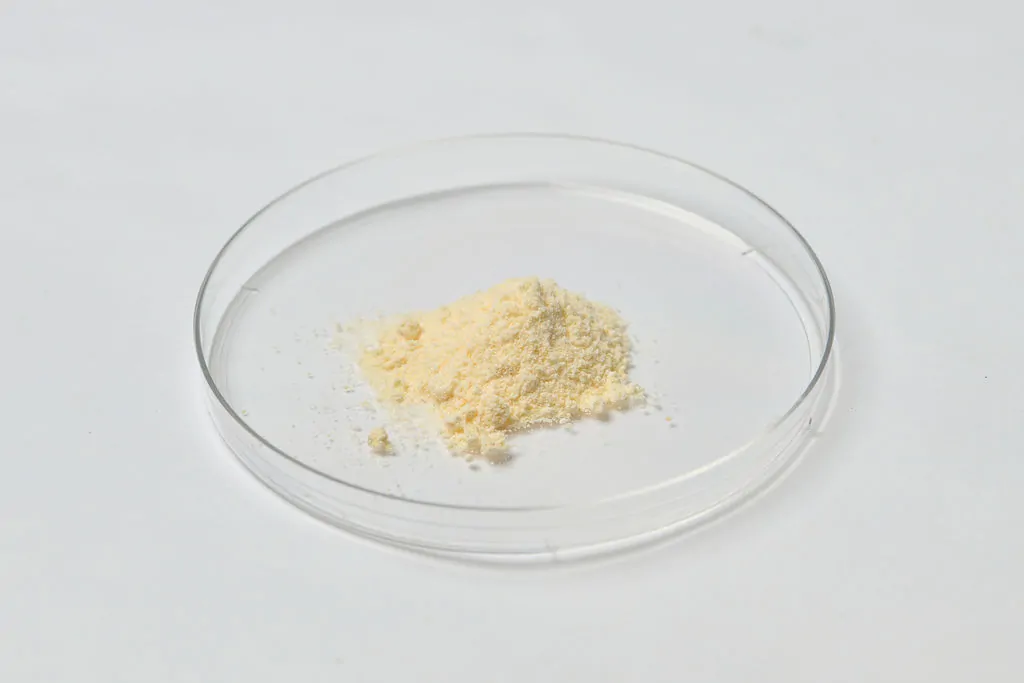
As the cannabinoid marketplace continues to diversify, attention is steadily expanding beyond CBD. While cannabidiol remains the most recognized hemp-derived compound, a growing number of manufacturers and researchers are exploring lesser-known cannabinoids. One such compound gaining interest is CBDV, short for cannabidivarin.
CBDV isolate represents the purified form of this minor cannabinoid, offering formulation flexibility and precision for product developers. As innovation accelerates in the hemp sector, understanding what CBDV isolate is — and how it fits into the broader cannabinoid landscape — has become increasingly relevant.
Cannabidivarin (CBDV) is a naturally occurring cannabinoid found in certain varieties of hemp and cannabis plants. Structurally, it is closely related to CBD but differs slightly in chemical composition. These small molecular differences can influence how cannabinoids interact with the body’s systems, which is why researchers are increasingly interested in studying minor cannabinoids individually.
CBDV is typically present in much smaller concentrations than CBD. As a result, producing significant quantities requires careful extraction and refinement. Despite its lower natural abundance, advancements in cultivation and extraction technologies have made commercial production more feasible.
Importantly, CBDV is non-intoxicating and does not produce the psychoactive effects associated with THC. When derived from compliant hemp sources, CBDV products must still meet regulatory thresholds for THC content depending on jurisdiction.
CBDV isolate is a highly purified crystalline powder containing only cannabidivarin, typically at purity levels exceeding 95 percent. Unlike full-spectrum extracts that include multiple cannabinoids and plant compounds, isolate allows manufacturers to work with a single, precisely measured ingredient.
The isolate format offers several advantages. Because it contains only one cannabinoid, it enables accurate dosing and consistent formulation. This is especially valuable for brands developing targeted cannabinoid blends or conducting research-based product development.
Visually, CBDV isolate resembles other cannabinoid isolates. It appears as a fine white or off-white powder and is typically odorless or only mildly aromatic. Its crystalline structure makes it easy to measure, blend, and incorporate into various product formats.
Producing CBDV isolate begins with hemp biomass that contains detectable levels of cannabidivarin. After initial extraction — often using CO₂ or ethanol methods — the crude extract undergoes further refinement. Through processes such as chromatography and crystallization, CBDV is separated from other cannabinoids and purified to a high concentration.
Because CBDV occurs in smaller quantities naturally, the refinement process can be more technically demanding than CBD extraction. As cultivation techniques improve, however, certain hemp varieties are being bred specifically to increase CBDV yield.
The final isolate product must be tested through third-party laboratories to verify potency, purity, and compliance with legal THC limits.
The expanding interest in minor cannabinoids reflects a broader shift in the hemp industry. Early growth was largely driven by CBD alone. Today, as consumers become more informed and competition intensifies, brands are looking for ways to differentiate their offerings.
CBDV isolate offers flexibility for product innovation. It can be used to create standalone CBDV products or incorporated into multi-cannabinoid blends alongside CBD, CBG, or CBN. Because isolate allows precise measurement, formulators can experiment with specific cannabinoid ratios while maintaining consistent labeling accuracy.
This level of control is particularly important for companies operating in regulated markets. Clear documentation, lab verification, and consistent batch formulation have become essential components of professional cannabinoid manufacturing.
CBDV isolate can be incorporated into a wide range of product formats. Tinctures and oils are common applications, as the isolate can be dissolved into carrier oils such as MCT oil or hemp seed oil. It can also be used in edible formulations, capsules, softgels, and topical products.
Because isolate has minimal flavor or aroma, it integrates smoothly into finished products without significantly altering sensory profiles. This neutrality can be advantageous when developing products intended to highlight other cannabinoids or botanical ingredients.
For B2B buyers and formulators, bulk CBDV isolate provides scalability. Purchasing in volume supports consistent production runs and can improve cost efficiency over time.
As with all cannabinoids, sourcing high-quality CBDV isolate is critical. Reputable suppliers provide Certificates of Analysis from accredited third-party laboratories. These reports should confirm cannabinoid potency, verify THC compliance, and screen for contaminants such as heavy metals, pesticides, residual solvents, and microbial impurities.
Because minor cannabinoids often command premium pricing due to production complexity, verifying purity is especially important. Lower-purity materials may contain unwanted cannabinoid residues or impurities that complicate formulation.
Proper storage also helps preserve isolate integrity. CBDV isolate should be kept in airtight containers in cool, dry environments away from direct light. When stored correctly, it can maintain stability for extended periods.
Regulations surrounding minor cannabinoids continue to evolve. While CBD has established clearer legal frameworks in many regions, cannabinoids such as CBDV may face varying interpretations depending on local laws.
Manufacturers and distributors should ensure compliance with federal and state hemp guidelines, particularly with regard to THC thresholds. Staying informed about legislative updates is essential for responsible business operations.
The growing attention toward CBDV isolate reflects a larger movement within the cannabinoid industry toward diversification and scientific exploration. As research continues and consumer curiosity expands, demand for minor cannabinoids may increase.
At the same time, professionalism and transparency remain central to long-term success. Brands that prioritize lab verification, regulatory compliance, and accurate labeling will be best positioned in a competitive marketplace.
CBDV isolate represents both opportunity and responsibility. It offers formulation precision and innovation potential while requiring careful sourcing and documentation.
As the hemp industry continues to mature, cannabinoids like CBDV may play an increasingly visible role in product development. For manufacturers, retailers, and formulators seeking to stay ahead of market trends, understanding CBDV isolate is an important step in navigating the evolving cannabinoid landscape.
 Torin
Torin