 By Torin
Stop the presses! Not the fabric presses. As a global industry, fashion never sleeps, with designers and garment manufacturers churning out new, trending products on a daily basis.
Fashion is an industry that has always moved quickly, but these days marketing has somehow become even faster. A new collection may have already made its way from a designer’s sketchbook to an email campaign, online store, and social media before most of us have even decided what we’re having for dinner.
This hectic pace has unsurprisingly created a fair amount of pressure for brands and their designers to keep up in order to stay competitive. And this is exactly why AI has become such a useful tool in the industry today.
- Building Moodboards Without Starting From Scratch
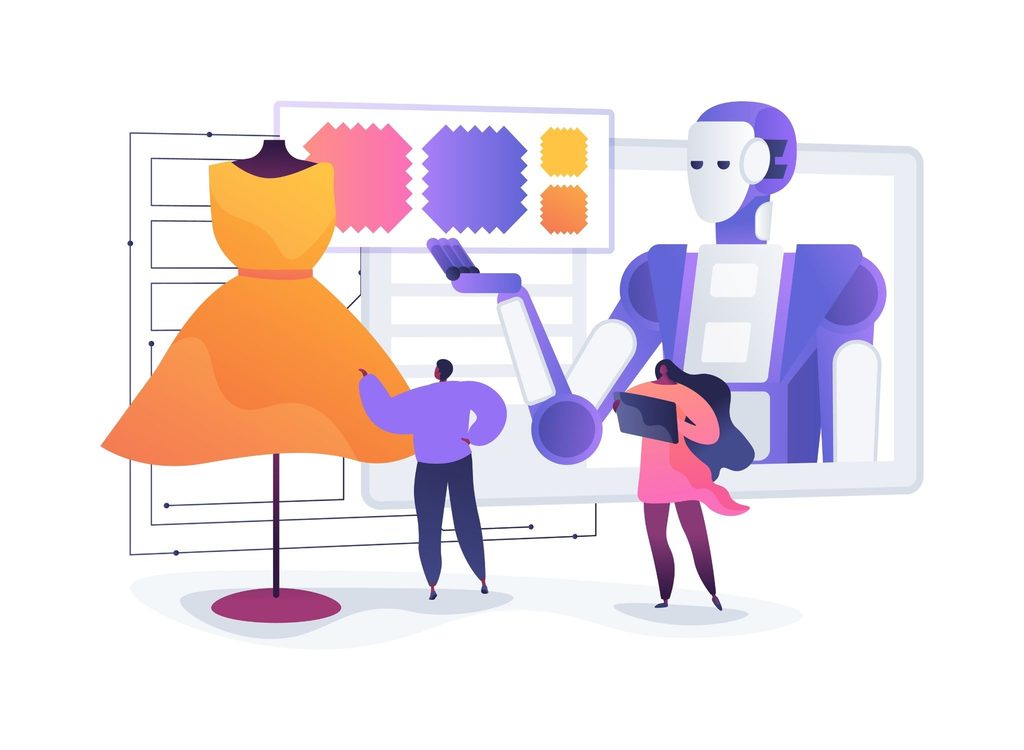
Every good fashion campaign needs a direction before anyone starts worrying about the final photoshoots and retail launches. And for dynamic projects that require creative thinkers to collaborate with textile tinkerers and techie designers, you simply cannot beat a good, old-fashioned mood board.
A traditional mood board is a great way to gather all the colours, textures, and other visual elements that will define the style of the campaign. The issue? Creating one the old fashioned way can take a surprising amount of time that designers might not have to spare.
This is where an AI moodboard generator can make that early brainstorming stage a little easier. Instead of spending hours sifting through hundreds of photos that match what you’re envisioning, all you need is a written idea to get started with building visual references.
AI mood board generation is especially useful when working with clients or larger teams. A brief for “relaxed coastal but still premium” can be open to interpretation, so having a concrete, shared visual reference in front of everyone makes those preliminary conceptualisation conversations a lot easier to navigate.
- Turning Early Fashion Sketches into Campaign Concepts
Fashion ideas rarely start out looking polished or refined. Most of the time, they start as a scribble in a sketchbook, an idea jotted down in someone’s notes app, or something drawn on an iPad. There’s normally a pretty big gap between that first sketch and having something you can actually show people.
This is where AI sketch to image tools can be really handy. These innovative AI tools allow designers to take an early draft and see what the final piece might be like without needing to produce a physical sample right then and there. Essentially, they allow designers to get a better sense of what their finished product will look like without having to rely on a rough concept image or even make a real-life prototype right away.
This can also make things easier for those who are working on the business side of things. While a collection is still coming together, the team can already start playing around with styling, campaign ideas, backgrounds, and how everything might eventually look online.
Small fashion labels in particular benefit from this. Creating prototypes, finding people to model them and setting up a photo shoot just to see if an idea will work isn’t exactly a cheap process. Having some sort of visual representation in advance saves on costs by giving everyone something more concrete to work from before any money is spent.
- Creating More Content From a Single Campaign
When you factor in the cost of a photographer, models, makeup and styling, not to mention the location and post-production editing, a fashion shoot is no small expense. That’s why it’s only logical to wring every last bit of content from any scheduled fashion photoshoot.
AI editing tools can help stretch those images a bit further. A single shot from the shoot can end up being used on your social media, as part of your website’s banner, in online advertising, and in the email campaigns you send out. With just a few clicks, you can delete or extend a background, remove something distracting or create a bit more space around the model when you need a completely different crop.
It’s all very practical stuff. Anyone who’s ever tried to turn a gorgeous landscape photo into a vertical Instagram Story will know the struggle of suddenly having nowhere to put anything. Brands can also test out different backgrounds or settings without having to organise another entire shoot. For getting more use out of the content you’ve already spent good money creating, AI can be seriously handy.
- Personalising What Shoppers Actually See
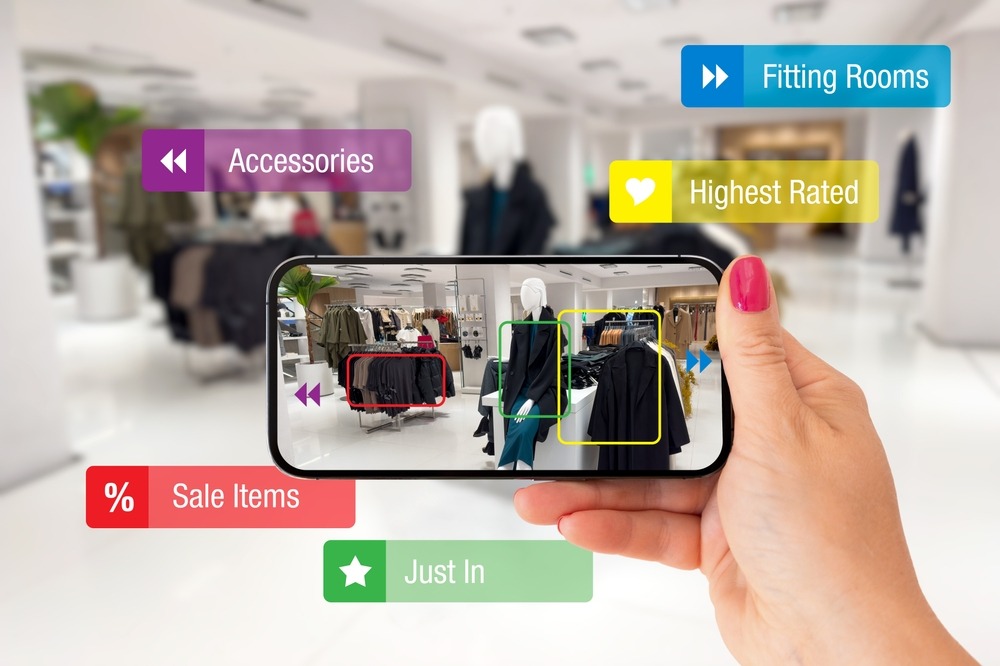
Fashion means different things to different people. Two customers can enter a store with an identical budget and leave with entirely different purchases. It all comes down to personal taste. AI can help bring a bit of that same experience online by picking up on patterns in what people browse, click on, buy, or even leave sitting in their cart.
Basically, it can use all those little signals to work out what someone is more likely to be interested in. For example, if someone has been looking at neutral linen dresses, it makes more sense to show them similar pieces than a homepage full of neon activewear. Brands can use this personalized approach for product recommendations, emails, and even which promotions different shoppers see.
Of course, there’s a fine line between useful and slightly creepy. Customers don’t need to feel like a brand is watching their every move online. Done well, the AI side of things shouldn’t really be noticeable at all. Shopping should simply feel a bit easier, with more relevant products and less random stuff to scroll past.
- Experimenting With Virtual Try-Ons
One drawback to shopping online is that customers aren’t able to try clothes on the way they would at a brick and mortar retail store. The good news is that AI-powered virtual try-ons can help with that by using an uploaded photo or camera image to show how certain clothes, glasses, accessories or even makeup might look on a shopper.
Of course, it’s still not quite the same as standing in front of a fitting-room mirror, but it does give people a much better visual idea than a standard product photo. For brands, it’s also a nice way to make online shopping a bit more interactive. Rather than have the shopper simply scroll past images of a model in six different pairs of sunglasses, they can get a rough idea of how those styles might look on them.
Of course, this won’t magically solve every question around sizing or fit, but by doing away with some of the guesswork, it definitely gives customers a little more reassurance before they hit checkout.
- Testing Creative Ideas Before Spending the Big Bucks
Fashion campaigns can get expensive quickly, so it makes sense to know what works before committing to a full shoot. AI offers a way for brands to do just that by putting together mock-ups of various styles, colours, lighting, or even locations. It means a few different ideas can be thrown around and actually seen, rather than everyone trying to picture what the final campaign might look like.
The same goes for ads. Brands can play around with different images, layouts, or wording and see what actually gets people’s attention before spending a hefty chunk of change on it. That’s a pretty big win for smaller labels in particular, where the budget might not stretch to starting over if an idea doesn’t quite work.
It’s pretty clear that there’s a lot AI can help with in fashion marketing, from getting early ideas down to making more out of a campaign that’s already been shot. For busy brands and smaller teams, saving a bit of time and money here and there can make a real difference.
At the end of the day, though, fashion still needs a human eye. AI can take care of some of the legwork and make the whole marketing process a bit easier, but it works best as another tool in the kit. How much a brand leans on it is really up to them.
 Spero Agency