 By ENGRNEWSWIRE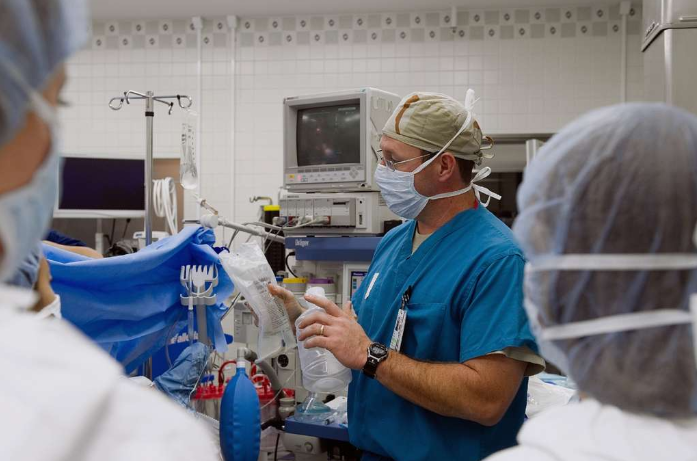
Becoming a surgical technologist is a life-changing career choice. It combines the thrill of working in the operating room with the satisfaction of saving lives. Traditionally, this path takes years of schooling. However, accelerated surgical tech programs have emerged as a powerful alternative, allowing students to enter the workforce faster without sacrificing quality training. If you’re eager to jumpstart your medical career, this guide explores everything you should know.
If you’re serious about pursuing this rewarding career, resources like Medical Prep can help you prepare for success and map out the right educational path.
A surgical technologist, often referred to as a scrub tech or operating room technician, is a vital member of the healthcare team. They assist surgeons, anesthesiologists, and nurses during procedures, ensuring everything runs smoothly.
- Preparing operating rooms with sterile equipment and supplies
- Sterilizing instruments and ensuring infection control
- Passing instruments and supplies to surgeons during procedures
- Maintaining accurate counts of sponges, instruments, and tools
- Assisting in patient preparation before surgery
Time is one of the biggest motivators for students considering these options. Standard surgical technology programs can take two years or more. In contrast, accelerated formats shorten this period significantly, often to just 12–18 months.
- Speed: Graduate faster and start earning sooner.
- Focus: Condensed curriculum emphasizes practical skills.
- Accessibility: Many schools offer flexible schedules.
- High Demand: Healthcare systems urgently need qualified surgical techs.
These programs streamline learning by combining classroom instruction with intensive clinical training. The goal is to cover the same material as traditional programs but in a condensed, highly focused structure.
Students study essential medical subjects such as anatomy, physiology, microbiology, and surgical procedures. Coursework is often fast-paced, requiring discipline and commitment.
- Sterile techniques
- Equipment setup
- Patient preparation
- Supporting surgeons during operations
While each institution sets its own criteria, most share common prerequisites.
- High school diploma or GED
- Background check and drug screening
- Completion of prerequisite courses (biology, math, or chemistry)
- Strong communication and teamwork skills
The curriculum for accelerated programs is designed to balance theoretical knowledge with hands-on skills.
- Anatomy and physiology
- Medical terminology
- Surgical procedures and specialties
- Sterilization and infection control
- Pharmacology basics
- Patient care and safety
- Emergency protocols
- Robotics and modern surgical technologies
- Specialized surgical disciplines (orthopedic, cardiovascular, neurosurgery)
The healthcare field is booming, and surgical technology is no exception. According to projections, job opportunities will continue to grow due to the aging population and increased demand for surgeries.
- Hospitals and trauma centers
- Outpatient surgical facilities
- Specialty clinics
- Physician offices
Beyond medical knowledge, these programs foster critical personal and professional skills.
- Attention to Detail: Ensuring safety and precision during surgery.
- Adaptability: Responding quickly to unexpected surgical situations.
- Teamwork: Collaborating with surgeons, nurses, and anesthesiologists.
- Problem-Solving: Handling complications and challenges on the spot.
These fast-paced programs demand dedication and focus. Success depends on preparation and persistence.
- Stay organized with study schedules.
- Engage fully in clinical training opportunities.
- Network with peers and instructors.
- Use resources like Medical Prep to sharpen your foundational knowledge and test-taking strategies.
- Duration: 12–18 months
- Intense workload
- Faster entry into the workforce
- Duration: 2–3 years
- Spread-out coursework
- More time for gradual skill development
After completing an accelerated surgical tech program, graduates are eligible to sit for certification exams such as the Certified Surgical Technologist (CST) exam.
- Graduated from an accredited program
- Complete clinical requirements
- Pass the CST or other applicable exam
Financial considerations play a key role in education decisions.
- Tuition and fees
- Books and supplies
- Clinical uniforms and equipment
- Exam preparation and certification fees
Before enrolling, ask yourself:
• Can I manage a rigorous, fast-paced learning environment?
• Am I passionate about healthcare and patient safety?
• Do I want to enter the medical workforce quickly?
If your answer is yes, then this pathway could be the perfect match.
Accelerated surgical tech programs open the door to a fulfilling and dynamic career in healthcare. By condensing high-quality training into a shorter timeline, these programs give students the skills, knowledge, and confidence to thrive in the operating room.
Don’t wait to chase your goals—take charge of your future today. Visit Medical Prep to explore resources that will help you prepare for your surgical tech journey and beyond.
 Zarshal seo
  Torin
Torin