 By Torin
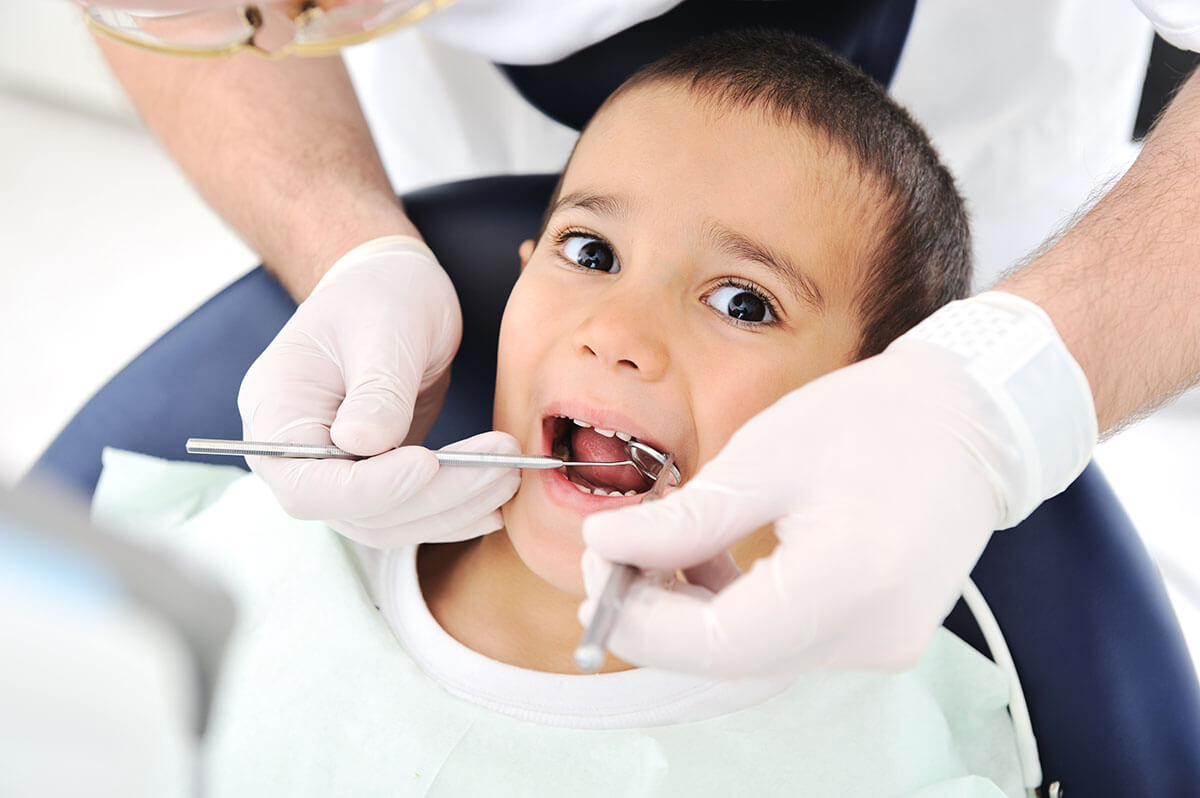
You might tense up days before a cleaning, replay old memories of pain, or feel your stomach drop when your child says their tooth hurts. Dental anxiety can turn a routine visit into something that hangs over the whole week. That stress is real, and it affects adults, teens, and young children in different ways. A caring provider of family dentistry in Hattiesburg, MS can help, but there is a lot you can do at home before anyone sits in the dental chair.
The goal is not to force fear away. It is to make it smaller, more predictable, and easier to handle. When home routines lower stress, dental visits often feel less threatening, brushing gets easier, and kids pick up on your calm. These five strategies focus on daily habits, emotional regulation, and simple preparation that supports better visits and steadier oral health.
Fear around dental care usually is not just about teeth. It is about noise, pressure, unfamiliar tools, embarrassment, pain, or the feeling of being trapped. Children may not have the words for that, so they cry, avoid brushing, or refuse to talk about the dentist at all. Adults often push through until a small issue becomes a bigger one, then the stress grows because treatment may be longer or more expensive.
That cycle is hard to break once it starts. Skipping brushing because your mouth feels sensitive can lead to more plaque. Avoiding appointments can turn a small cavity into a deeper problem. Worry can also spread through the household. If one parent looks panicked before a visit, a child notices. If a child melts down during brushing, everyone ends the night worn out.
Good home care helps because it builds familiarity. The more normal oral care feels in your house, the less intense professional care often feels later. The National Institute of Dental and Craniofacial Research offers practical guidance on daily oral hygiene that can support this routine and reduce the chance that fear gets tied to worsening dental problems.
One of the best ways to manage fear is to reduce surprises. Try keeping brushing and flossing at the same times each day, in the same place, with the same steps. Predictability helps children and adults alike. You are teaching the brain that mouth care is a normal part of the day, not a threat.
If someone in your family has a stronger anxiety response, pair oral care with one calming cue. That could be quiet music, a weighted blanket on the lap, a timer they control, or a short breathing exercise before brushing. MedlinePlus has a helpful overview of anxiety symptoms and coping tools that can fit into this routine without making it feel clinical or heavy.
This matters even more for children or adults with developmental or sensory differences. Texture, taste, sound, and touch can all be part of the fear. The NIDCR shares useful information about dental care for people with developmental disabilities, including ways to adapt routines and prepare for care with more comfort and dignity.
Start with language. Avoid saying a visit will not hurt or that there is nothing to worry about. If the experience feels hard, that reassurance can backfire. Use simple, honest wording instead. Say the dentist will count teeth, clean them, and tell you what comes next. Clear expectations feel safer than cheerful promises.
Practice with low pressure. Young children often do better when they can pretend first. Count stuffed animal teeth, let them hold a toothbrush while you brush your own teeth, or practice opening wide in the mirror for five seconds at a time. Adults can use this same idea by walking through the appointment in their mind and planning what helps them stay steady, such as headphones or a signal to pause.
Give back some control. Anxiety often spikes when someone feels pinned down. Offer choices that do not change the goal. Pick the toothbrush color, choose mint or bubblegum toothpaste, decide whether brushing starts on the top or bottom teeth. Before an appointment, let your child choose a comfort item to bring. For adults, writing down concerns before the visit can make the conversation feel less overwhelming.
Watch your timing. Brushing during a full meltdown rarely goes well. If your child is exhausted, hungry, or overstimulated, even gentle care can feel like too much. The same is true for adults after a long day. A slightly earlier routine, a snack first, or a few quiet minutes before oral care can change the whole tone.
Reward effort, not perfection. Praise sitting still for thirty seconds, trying a new toothpaste, or brushing one sensitive area that usually gets avoided. This is how at home dental anxiety management becomes sustainable. You are building confidence step by step instead of turning every routine into a test.
| Approach | What It Helps With | Limits |
|---|---|---|
| Consistent home routine | Reduces surprises, builds familiarity, supports cleaner teeth | Does not treat cavities, infections, or hidden problems |
| Calming tools at home | Helps regulate breathing, sensory overload, and resistance | May not be enough for severe fear or trauma history |
| Practice play and honest language | Improves trust and cooperation, especially for children | Takes repetition and patience before it becomes easier |
| Professional family dental care | Finds early issues, prevents worsening problems, offers tailored support | Can still feel stressful without home preparation |
The strongest results usually come from both sides working together. Home habits lower the day to day fear. Professional care catches problems early, which often means simpler treatment and fewer painful experiences later. That is why family dental anxiety tips matter so much. They protect both emotional comfort and oral health.
Create a two minute calm routine before brushing. Pick one cue and keep it the same every night. Try slow breathing, a favorite song, or a short countdown. Repetition helps the body learn what comes next.
Use one honest sentence about dental care. Say, “We take care of teeth so they stay strong, and if something feels uncomfortable, you can tell me.” This builds trust without making brushing or dental visits sound scary.
Write down one trigger and one support. Maybe the trigger is the sound of brushing near a sore tooth, and the support is using a softer brush with warm water. Maybe the trigger is feeling rushed, and the support is starting ten minutes earlier. Small patterns become useful once you can see them clearly.
If dental fear has been running your household, you are not failing. You are dealing with a real stress response, and real stress responds best to patience, structure, and support. Keep the routine simple, stay honest, and focus on progress you can repeat. When needed, a trusted family dentist can build on that foundation and help each person in your home feel safer with care.