 By Torin
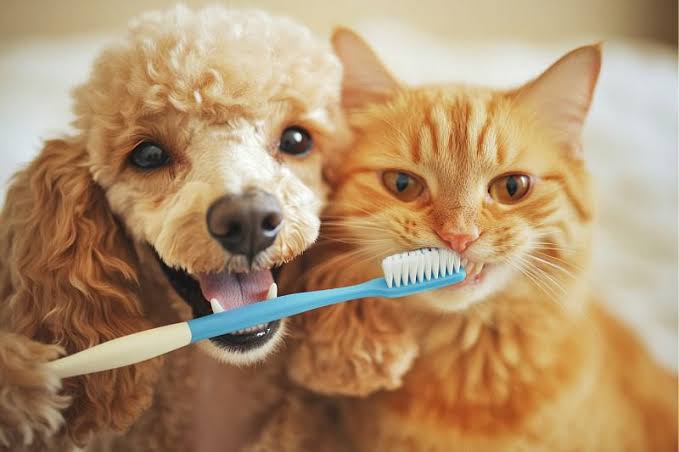
Dental disease is one of the most common health problems in dogs and cats, and one of the easiest to overlook. Pets rarely show obvious pain from a sore tooth or inflamed gum. They keep eating, keep playing, and keep acting like themselves, right up until the problem is advanced. By the time an owner notices bad breath or a pet chewing differently, the disease has often been building for months or years.
This matters because the mouth is not separate from the rest of the body. Bacteria from infected gums can enter the bloodstream and affect the heart, kidneys, and liver over time. A cracked or infected tooth can also cause chronic pain that changes a pet’s mood, appetite, or energy without anyone connecting the dots.
Knowing what normal looks like makes it easier to catch problems early. In a healthy dog or cat, gums are usually pink (not white, red, or purple), and teeth are mostly white or slightly yellow near the gumline. Breath should be mild, not sharp or foul.
A quick monthly check at home helps. Lift the lip and look along the back teeth, where plaque and tartar build up first. Tartar shows up as a hard, brownish crust. Red or swollen gum edges are also worth noting, especially if they bleed when touched.
A few signs are worth watching for between routine visits:
- Bad breath that seems sudden or worse than usual
- Dropping food, chewing on one side, or preferring soft food
- Pawing at the face or rubbing the mouth on furniture
- Visible tartar buildup or a tooth that looks discolored or loose
- Drooling more than normal, sometimes with a pink tinge
Cats tend to hide dental pain even more than dogs do, so a change in eating pattern, even a small one, deserves attention.
Small dog breeds, like Chihuahuas, Yorkies, and dachshunds, tend to have crowded teeth and are more prone to dental disease at a younger age than larger breeds. Flat-faced breeds, both dogs and cats, often have the same crowding issue because of their jaw shape.
Older pets need closer attention simply because plaque and tartar accumulate over a lifetime. A pet that had clean teeth at age two can have real dental disease by age eight if nothing was done in between. This is one reason dental checks are usually built into routine wellness visits rather than treated as a separate concern.
A professional dental cleaning is done under anesthesia, which allows a full look under the gumline where most disease actually starts. It typically includes scaling to remove tartar, polishing, and dental X-rays to check for problems below the surface that are not visible from the outside, like bone loss or hidden fractures.
Some practices, including Emergency Vet in Austin, use Fear Free certified staff during exams and procedures to help lower a pet’s stress before and after anesthesia. That kind of handling does not change what the cleaning involves, but it can change how a pet experiences the visit.
Daily brushing with a pet-safe toothpaste is the single most effective thing an owner can do at home, though even a few times a week helps more than nothing. Dental chews and water additives can support the effort but should not replace brushing entirely, since they mainly reduce plaque rather than remove existing tartar.
Consistency matters more than intensity. A short daily habit, even two minutes, does more over a year than an occasional deep effort.
Dental health is easiest to manage when it is checked at the same time as everything else, rather than waiting for a visible problem. A yearly wellness exam is a natural point to ask about tartar buildup, gum color, and whether a cleaning is due. Practices like Honnas Veterinary offer free new patient exams, which can be a good first opportunity to get a baseline read on a pet’s teeth before deciding on next steps.
Catching dental issues early, before a tooth needs to come out or an infection spreads, is almost always simpler and less stressful for the pet than waiting. A quick look at home each month, paired with a professional check once a year, covers most of what dental care actually requires.