 By William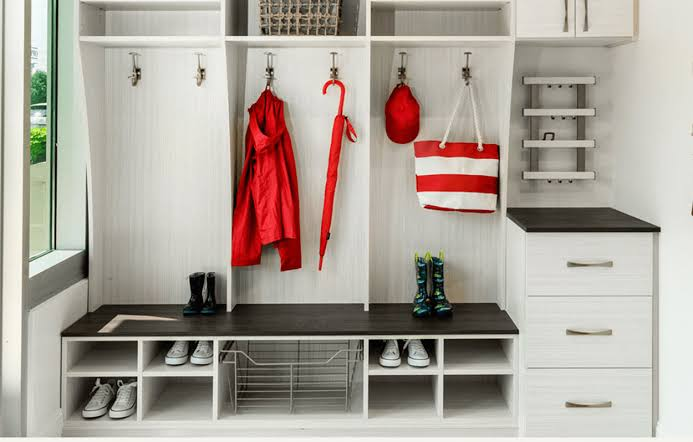
The entrance of a home is one of the most frequently used areas, yet it is often one of the most neglected when it comes to organization. Every day, family members enter and leave while carrying shoes, bags, keys, coats, umbrellas, and other essentials. Without a proper storage system, these items quickly create clutter and make the entire home feel less organized.
A well-designed entry storage area solves these everyday problems by creating a dedicated place for everything people need when coming and going. It improves convenience, keeps mess under control, and creates a more welcoming first impression for visitors.
A functional entryway does not require a large space. Even a narrow hallway, small corner, or apartment entrance can become highly practical with the right combination of storage solutions, furniture placement, and organization habits.
The entrance of a home serves as a transition between the outside world and the indoor environment. It is the place where outdoor items are removed, stored, and prepared for the next use.
Because of this role, the entryway needs to support quick daily routines. People should be able to easily remove shoes, hang bags, store keys, and leave the house without searching for important items.
A poorly planned entrance often creates small frustrations throughout the day. Shoes may pile up near the door, bags may be placed on furniture, and important items may become difficult to find.
A functional storage area eliminates these problems by making organization automatic.
Before designing an entry storage system, it is important to identify what items are used regularly.
Every household has different needs. A family with children may require more shoe and bag storage, while a smaller household may only need a compact system for daily essentials.
Common entryway items include:
- Shoes
- Handbags and backpacks
- Keys
- Wallets
- Jackets
- Hats
- Umbrellas
- Sunglasses
- Pet accessories
- Seasonal items
Understanding these needs helps create storage that is practical rather than decorative but unusable.
Shoes are often the biggest source of entryway clutter. Without a proper system, they quickly spread across the floor and create an untidy appearance.
The best shoe storage solution depends on available space.
In larger entrances, homeowners may use:
- Shoe cabinets
- Built-in storage benches
- Open shelving
- Closet organizers
For smaller spaces, better options include:
- Slim shoe racks
- Vertical organizers
- Under-bench storage
- Wall-mounted shoe holders
Closed storage creates a cleaner appearance by hiding shoes, while open storage allows faster access. The right choice depends on personal habits and design preferences.
A seating area can make an entryway more practical, especially when putting on and removing shoes.
A simple bench can provide multiple benefits. It offers a comfortable place to sit while also creating hidden storage underneath.
Entry benches can include:
- Drawers
- Baskets
- Lift-up storage compartments
- Shoe shelves
In smaller homes, a narrow bench can provide both function and style without taking up too much space.
A comfortable entryway encourages better organization because people are more likely to remove and store items properly.
Bags often create clutter because they are frequently used but rarely given a specific storage location.
A practical bag storage system may include:
- Wall hooks
- Shelves
- Cabinets
- Baskets
- Individual compartments
Daily-use bags should be stored at an accessible height, while seasonal or occasional bags can be stored in higher areas.
For families, assigning each person a specific storage area can prevent confusion and keep the entrance organized.
Small items such as keys, wallets, and sunglasses are easy to misplace. Creating a dedicated drop zone near the entrance can save time and reduce stress.
A useful entry drop zone may include:
- A small tray
- Wall organizer
- Key hooks
- Drawer compartment
The habit of placing important items in the same location every day creates a simple but effective organization system.
Technology can also be included through charging stations for phones and smart devices.
Many entryways have limited floor space, but walls provide valuable storage opportunities.
Vertical storage ideas include:
- Wall hooks
- Floating shelves
- Tall cabinets
- Hanging organizers
Using wall space keeps the floor open and makes small entrances feel larger.
A combination of hooks and shelves can store many daily essentials without making the area crowded.
Entry furniture should be selected based on both appearance and function.
Useful options include:
Cabinets hide clutter and create a clean appearance. They are ideal for households that prefer a minimalist look.
Console tables provide a surface for decorative items while offering drawers or shelves for storage.
Benches provide seating and storage at the same time.
Coat racks are useful for jackets, hats, and frequently used outdoor items.
The best furniture choice depends on the size of the entrance and the household’s daily routines.
Small entrances require careful planning because too much furniture can make the area feel cramped.
A successful small entryway design focuses on:
- Compact storage
- Vertical organization
- Multi-purpose furniture
- Minimal decoration
A narrow cabinet, a few wall hooks, and a small bench may be enough to create a highly functional space.
Mirrors can also help small entryways feel larger by reflecting light and creating a sense of openness.
Organization systems work best when they are easy to maintain. A complicated system may look good initially but become difficult to follow.
Simple habits can keep the area organized:
- Remove unused shoes regularly
- Return items to their assigned places
- Clean the area frequently
- Rotate seasonal items
- Avoid storing unnecessary belongings
The goal is to create a system that fits naturally into daily life.
Baskets are one of the easiest ways to organize entryway items while maintaining a neat appearance.
They can store:
- Gloves
- Scarves
- Pet supplies
- Children’s items
- Small accessories
Using labeled containers makes it easier for everyone in the household to maintain organization.
Decorative baskets also add warmth and texture to the entrance area.
Homes with multiple family members often need more structured storage.
A family-friendly entrance may include:
- Separate hooks for each person
- Individual shoe spaces
- Personalized storage bins
- A shared key station
This approach teaches organization habits and prevents one person’s belongings from taking over the entire area.
For children, easily accessible storage encourages independence because they can manage their own items.
Function should come first, but appearance is also important because the entrance creates the first impression of the home.
Simple design improvements include:
- Adding artwork
- Using attractive storage baskets
- Installing stylish lighting
- Adding indoor plants
- Choosing coordinated colors
A well-organized entrance can still feel warm and welcoming.
Several common mistakes reduce the effectiveness of entry storage areas.
One mistake is creating storage without considering daily habits. A beautiful cabinet is not useful if frequently used items are difficult to access.
Another problem is storing too many items near the entrance. The area should support daily routines, not become a collection point for everything in the home.
Poor lighting is another issue. A dark entrance feels less welcoming and makes organization more difficult.
A successful entryway is not created by furniture alone. It depends on a system that continues working over time.
The best entry storage areas make daily routines easier by ensuring that:
- Shoes have a home
- Bags are easy to access
- Keys are easy to find
- Outdoor items stay organized
When organization becomes effortless, the entire home benefits.
A functional home entry storage area improves both convenience and appearance. By creating dedicated spaces for shoes, bags, keys, and daily essentials, homeowners can reduce clutter and make everyday routines smoother.
The best entryway designs combine practical storage with attractive details. Whether the space is large or small, thoughtful planning can transform a messy entrance into an organized and welcoming part of the home.
A well-designed entry area does more than store belongings. It creates a better beginning and ending to every day.
A shoe storage solution is often the most important because shoes create the most visible clutter. A combination of shoe storage and seating can provide excellent functionality.
Use vertical storage, wall hooks, slim cabinets, floating shelves, and multi-purpose furniture to maximize limited space.
Keys should have a dedicated drop zone such as a tray, drawer, or wall hook near the main door.
Yes. Entryway benches provide comfortable seating and can include hidden storage for shoes and accessories.
Create specific storage locations, remove unnecessary items regularly, and develop the habit of returning belongings to their proper places.
Light and neutral colors can make entrances feel larger, while warm tones can create a welcoming atmosphere.
The amount of storage depends on household size and daily habits. Focus on storing frequently used items rather than everything near the entrance.
Yes. With smart furniture choices, vertical storage, and organized systems, even very small entrances can become practical and attractive.