 By Khizar seo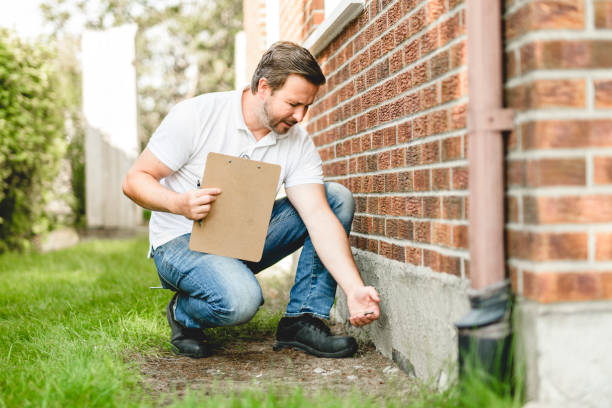
Owning a property, whether for personal use or as an investment, comes with significant responsibilities. One of the most critical steps in ensuring the property is safe, functional, and well-maintained is conducting a building inspection. A building inspection provides a detailed assessment of a property’s condition, helping owners and buyers understand potential risks and plan necessary maintenance. In Adelaide, professional building inspection services offer comprehensive evaluations for residential properties.
A building inspection is a professional assessment of a property’s structural integrity, safety, and overall condition. Inspectors examine all visible elements of a building, including foundations, walls, roofing, plumbing, and electrical systems. The inspection aims to identify defects, safety hazards, and areas requiring maintenance.
Building inspections are not limited to older homes. Even newly constructed properties can have issues such as faulty wiring, plumbing defects, or minor structural flaws. By identifying these problems early, property owners and buyers can take action to prevent future damage or unexpected repair costs.
Building inspections are essential for several reasons:
- Safety Assurance: Inspections identify hazards like structural weaknesses, faulty electrical systems, or water damage that could compromise the safety of occupants.
- Informed Decision-Making: Buyers gain a clear understanding of the property’s condition before committing financially.
- Maintenance Planning: Inspections highlight areas that may require repair or monitoring, allowing for proactive maintenance.
- Problem Prevention: Early detection of issues can prevent small problems from becoming costly repairs.
- Negotiation Support: For buyers, understanding a property’s defects can support negotiations with sellers for repairs or adjustments.
Professional inspectors assess multiple areas of a property to ensure a thorough evaluation:
- Structural Components: Foundations, walls, floors, and ceilings are checked for cracks, shifts, or other signs of structural stress.
- Roofing and Drainage: Roof materials, gutters, and downpipes are inspected to ensure proper function and prevent leaks.
- Plumbing Systems: Pipes, drains, and water fixtures are examined for leaks, blockages, and functionality.
- Electrical Systems: Wiring, outlets, switches, and electrical panels are reviewed for safety and compliance with regulations.
- Pest and Termite Checks: Inspectors identify signs of infestation that may compromise the building’s integrity.
- Damp and Moisture Issues: Walls, ceilings, and basements are checked for signs of water damage or mold growth.
While building inspections are commonly associated with buyers, they are equally valuable for current homeowners and property managers. Residential building inspections provide a detailed overview of a home’s condition, allowing property owners to identify potential maintenance needs, ensure safety, and protect the property’s long-term value.
A residential inspection report typically includes:
- A detailed description of the property’s condition
- Identified defects and potential hazards
- Recommendations for repairs or maintenance
- Visual documentation, such as photographs of affected areas
For anyone managing residential properties in Adelaide, consulting a residential building inspector can provide valuable insights and help maintain the property in optimal condition.
Building inspections often uncover recurring issues that homeowners or buyers might not notice during a casual walkthrough:
- Structural Problems: Cracks in walls, uneven floors, or compromised foundations
- Roofing Defects: Leaks, damaged tiles, or improper drainage
- Plumbing and Electrical Issues: Leaks, faulty wiring, or outdated systems
- Pest Infestations: Termite damage or signs of rodent activity
- Damp and Water Damage: Moisture in walls, ceilings, or basements leading to mold or decay
Identifying these issues allows property owners and buyers to take proactive steps, preventing small problems from becoming major repairs.
The quality of a building inspection depends heavily on the inspector’s expertise. When selecting an inspector, consider:
- Licensing and Certification: Ensure the inspector meets local regulatory requirements.
- Experience: Inspectors should have experience with properties similar to yours.
- Reporting Clarity: Look for inspectors who provide detailed, easy-to-understand reports.
- Knowledge of Local Standards: Familiarity with local building codes and safety regulations is essential.
A well-qualified inspector ensures that the inspection covers all critical areas and provides reliable insights for decision-making.
Proper preparation can maximize the effectiveness of a building inspection:
- Review all available property documents, including past inspection reports and renovation details.
- Note areas of concern to discuss with the inspector during the evaluation.
- Attend the inspection to observe findings firsthand and ask questions.
- Review the inspection report carefully and consider recommended actions before making property decisions.
Even after purchasing a property, regular building inspections are valuable. They help homeowners:
- Maintain property safety
- Plan preventative maintenance
- Detect potential issues early
- Preserve property value over time
Regular inspections provide peace of mind, ensuring that both structural and functional aspects of the property remain in good condition.
Building inspections are an essential component of property ownership and management. They provide a detailed understanding of a property’s condition, identify potential hazards, and allow for proactive maintenance. Whether purchasing a new home or managing an existing property, inspections are key to ensuring safety, functionality, and long-term value.
For those considering property options in Adelaide, consulting professional building inspection services is a crucial step in making informed property decisions and protecting investments.
 Torin
Torin  HG Star