 By IQnewswire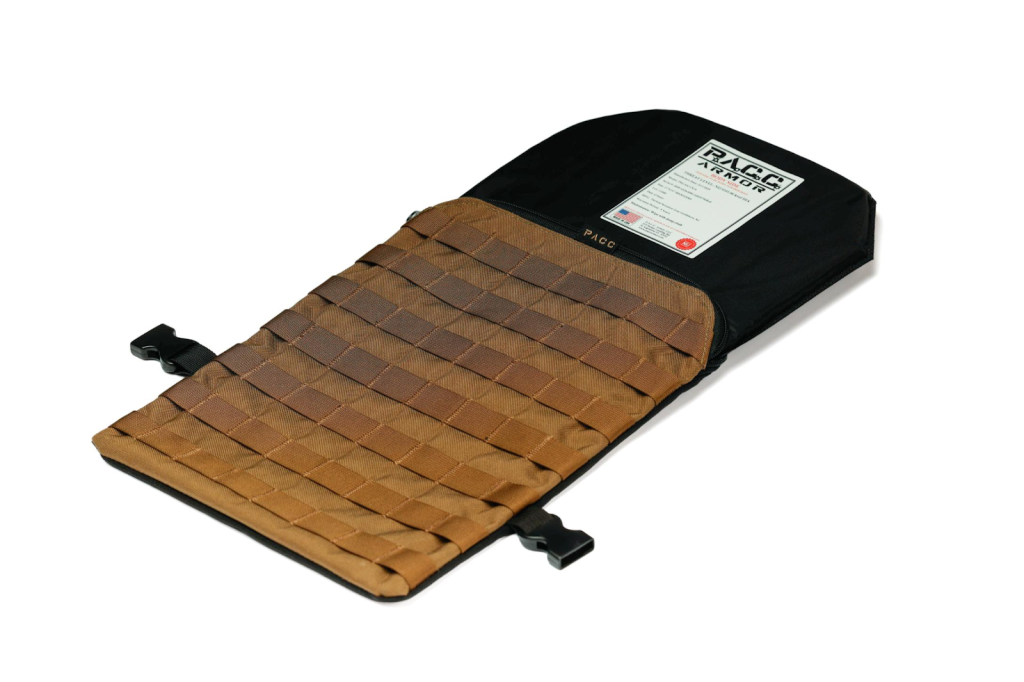
Body armor has evolved dramatically over the past decades, yet many systems still suffer from a fundamental problem: they’re simply too heavy and bulky for extended wear. Traditional plate carriers and tactical vests often weigh 20 to 30 pounds when fully loaded, creating debilitating fatigue, restricting movement, and causing heat buildup that can incapacitate wearers as effectively as actual threats. For professionals who need protection during long shifts and civilians preparing for emergencies, this weight penalty makes consistent armor use impractical. PACC Armor has developed lightweight armor carrier solutions that deliver genuine ballistic protection while weighing just ounces, utilizing minimalist design principles and modern materials to create systems that users can actually wear comfortably for extended periods without sacrificing mobility or operational effectiveness.
Conventional armor systems prioritize maximum coverage and protection, resulting in platforms that fatigue wearers rapidly. Carrying 20-plus pounds on the torso increases cardiovascular strain, labors breathing, and accelerates muscle fatigue. During extended operations or emergency situations, this exhaustion degrades performance, slows reaction times, and increases injury risk.
Heat buildup compounds the problem. Layers of armor and equipment trap body heat while blocking air circulation, causing dangerous core temperature rises during physical activity or warm weather. Heat exhaustion becomes a real incapacitation risk that compromises the wearer’s effectiveness.
Bulky armor also restricts essential movements. Running speed decreases, climbing becomes difficult, shooting positions feel awkward, and maneuvering through confined spaces suffers. In situations where agility matters, these mobility restrictions create serious vulnerabilities.
Modern lightweight carriers address these issues by stripping away unnecessary material while maintaining protective capability. At just 5.5 ounces without straps, a quality lightweight carrier weighs less than many individual equipment pouches. This minimal weight means the carrier contributes almost nothing to overall system weight, with the armor panel and chosen accessories accounting for the load.
The minimalist carrier philosophy recognizes that not every scenario requires maximum equipment. Lightweight carriers provide a platform for armor insertion with basic attachment points for essential accessories, rather than incorporating every possible feature permanently.
Compact dimensions of 15 inches by 12 inches by 0.7 inches create a low-profile system that doesn’t extend unnecessarily beyond the armor panel. This minimal bulk reduces snag hazards, improves mobility through confined spaces, and maintains a less conspicuous profile. The slim profile also proves more comfortable during vehicle operations where bulky gear creates pressure points against seats.
This stripped-down approach allows users to configure systems according to specific needs, adding only actually required equipment rather than carrying permanent features that go unused. The result is dramatically lighter configurations that maintain full protective capability.
Despite minimal weight, quality lightweight carriers include exposed 1000 Denier Cordura nylon MOLLE panels that provide attachment platforms for mission-specific equipment. MOLLE webbing has become the standard modular system for tactical gear, accepting MOLLE-compatible pouches and accessories across the industry.
The 1000 Denier Cordura construction ensures exceptional durability despite lightweight design. This heavy-duty nylon provides abrasion resistance, tear strength, and weather resistance through demanding use. The material withstands equipment attachment friction, resists tearing when snagged, and handles constant flexing from body movement.
The blank MOLLE platform allows complete equipment layout customization. Magazine pouches, medical supplies, communication gear, tool pouches, and other accessories can be positioned exactly where needed, then reconfigured as requirements change. This modularity proves valuable for users employing the same carrier across different scenarios—tactical configurations might emphasize ammunition and communications, while hunting setups might prioritize rangefinders and survival gear.
Full MOLLE panel coverage maximizes available attachment space despite compact carrier dimensions. Strategic equipment placement creates efficient load distribution that doesn’t compromise mobility or create uncomfortable pressure points.
Quality lightweight carriers include NIJ-rated Level 3A soft body armor panels that provide substantial protection against common handgun threats. NIJ Level 3A indicates testing to stop .357 SIG and .44 Magnum rounds—some of the most powerful handgun cartridges encountered. This rating also covers lower-energy handgun threats including 9mm, .40 S&W, and .45 ACP.
Soft body armor achieves protection through layers of high-strength synthetic fibers like Kevlar that catch and deform bullets, spreading impact energy across the panel rather than allowing penetration. The flexible nature of soft armor allows conforming to body contours and freedom of movement that rigid hard armor plates cannot match.
The shooter’s cut design optimizes armor panel shape for weapon manipulation and shoulder mobility. Traditional armor cuts extend higher at shoulders and sides for maximum coverage but restrict arm movement during shooting positions. Shooter’s cut reduces material at shoulders and sides, creating clearance for rifle stocks and improving mobility while maintaining protection over vital torso organs.
Panel dimensions of 11 inches by 14 inches by 0.5 inches provide heart, lung, and critical organ coverage while maintaining compact profile. At just 1 pound 1 ounce, the armor panel adds minimal weight while delivering genuine life-saving protection.
Manufacturing by established armor producers ensures quality control and adherence to NIJ testing standards. Domestic production in Goldsboro, North Carolina provides accountability and verifiable materials and construction methods.
While Level 3A soft armor provides excellent handgun threat protection, some scenarios require rifle threat protection. The carrier’s zippered pocket accommodates optional ceramic body armor upgrades like the RF2 ASP ceramic plates that provide rifle-rated protection.
Ceramic armor plates utilize advanced materials, aluminum oxide, silicon carbide, or boron carbide ceramics—that fracture rifle bullets on impact, absorbing energy that would penetrate soft armor. These hard plates provide protection against 5.56mm NATO, 7.62x39mm, and depending on rating, even larger calibers.
Ceramic plates weigh more than soft armor, typically several pounds per plate, but modern ceramic technology has dramatically reduced weight compared to older steel plates that could exceed 10 pounds. The compatibility with both soft and ceramic inserts provides flexibility to choose protection level based on assessed threat.
The zippered pocket design allows quick armor panel changes. Users can swap between soft and hard armor as needs evolve, or remove armor entirely to use the carrier purely as equipment platform when ballistic protection isn’t required.
Proper weight distribution minimizes fatigue during extended wear. The four-point harness system provides superior load distribution compared to simpler two-point designs. Using 1-inch nylon webbing with 2-inch nylon tubing padding from established manufacturers, the harness provides strength to support armor and equipment while incorporating padding that prevents pressure points.
Four-point attachment distributes weight across shoulders and torso more evenly than traditional systems. Additional attachment points prevent shifting during movement and reduce stress on individual connection points, improving comfort and security.
The 2-inch padding cushions pressure points where straps contact shoulders and underarms. Without padding, narrow webbing concentrates weight into small contact areas that quickly become uncomfortable. Padding spreads load across broader areas, allowing comfortable extended wear.
Harness adjustability allows proper fit across different body sizes and over varying clothing thickness. Proper adjustment ensures armor panels sit correctly over vital organs while maintaining comfort and movement freedom.
While front armor protects against frontal threats, comprehensive protection requires front and back coverage. Optional tether harness systems allow connecting two carriers together for 360-degree torso protection.
The tethering approach maintains lightweight modularity by allowing users to add back protection only when needed rather than incorporating it permanently into heavier systems. When threats may come from any direction, tethered front and back carriers create complete coverage. When threats come from predictable directions, single front carriers maintain maximum mobility.
Tether systems also allow connecting carriers to other PACC products, creating integrated protection systems combining different elements according to requirements. This interoperability provides configuration flexibility that monolithic systems cannot match.
An innovative application allows securing carriers to vehicle seat backs, creating ballistic protection during vehicle operations. Vehicles represent vulnerable environments where occupants have limited movement and conventional armor wearing proves uncomfortable during transits. Tethering armor to seats provides ambush protection while allowing comfortable riding, with quick donning capability when dismounting.
Component quality ensures carriers maintain functionality despite lightweight construction. The use of #8 YKK zippers reflects quality focus—YKK represents industry standard reliability, and #8 size provides strength for armor pocket applications while operating smoothly under tension.
Quality zippers seem minor until they fail at critical moments. Inferior zippers bind, separate under stress, or break after limited cycles. YKK zippers provide reliable operation through thousands of cycles and smooth action even when pockets are filled with armor panels.
Cordura nylon selection for MOLLE panels similarly reflects quality priorities. Cordura’s exceptional durability in demanding applications makes it preferred for tactical gear despite higher cost. The material’s abrasion, tear, and weather resistance ensures carriers maintain integrity through years of hard use.
Premium webbing materials provide harness foundations that support weight reliably while maintaining comfort. Inferior webbing can stretch, fray, or fail under stress, creating dangerous situations where armor could detach during critical moments.
Lightweight carrier versatility makes them suitable beyond traditional tactical contexts. Security professionals benefit from low-profile armor they can wear during extended shifts without debilitating fatigue. The ability to configure carriers with appropriate equipment for specific assignments provides operational flexibility.
Civilians in high-risk environments or preparing for emergencies find lightweight carriers provide protection without the training required for heavier tactical systems. Straightforward design and comfortable wear lower barriers to effective use.
Hunters and outdoorsmen in remote or potentially dangerous environments sometimes carry lightweight armor for protection against both human and animal threats. Configuring MOLLE platforms with outdoor-specific equipment creates versatile chest rigs providing both protection and utility.
Journalists and aid workers in conflict zones need protection without overtly military appearance. Low-profile lightweight carriers can be worn under clothing or configured minimally to reduce tactical appearance while maintaining ballistic protection.
The blank configuration approach allows tailoring carrier appearance and capability to match specific scenarios without requiring multiple specialized systems.
For those seeking ballistic protection without compromising mobility or comfort, PACC Armor offers lightweight armor carrier solutions engineered for real-world effectiveness. Their minimalist design philosophy, quality materials, and modular configuration create systems suitable for tactical professionals and prepared civilians alike. Those interested in learning more about lightweight armor options, understanding protection levels and upgrade paths, or exploring configuration possibilities should reach out to PACC Armor to discuss their security requirements and discover whether lightweight armor carrier systems align with their protection needs.
 Spero Agency
  Torin
Torin