 By Khizar seo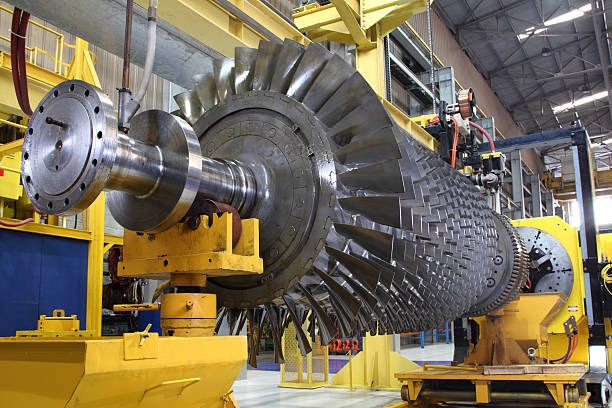
Steam and gas turbine engines are the core of global power generation, driving industrial plants, utilities, and combined cycle systems with remarkable efficiency. These industrial turbines operate continuously under extreme temperature, pressure, and mechanical stress—making durability and maintenance essential to long-term performance.
Over time, components wear out, efficiency drops, and maintenance costs increase. Replacing turbines entirely is often expensive and time-consuming. Instead, hybrid repair and upgrade solutions provide a strategic way to extend turbine life, improve reliability, and minimize unplanned downtime.
By combining advanced engineering, refurbishment technologies, and material upgrades, plant operators can maximize the return on their turbine investment while sustaining optimal performance.
Every steam and gas turbine follows a predictable lifecycle that includes stages of installation, operation, degradation, maintenance, and eventual refurbishment or replacement.
During the initial operational years, turbine efficiency and output remain at their peak. Maintenance primarily focuses on monitoring and minor adjustments.
As turbines approach mid-life, heat, stress, and vibration begin to degrade components. Common wear areas include:
- Blades and vanes (erosion, corrosion, fatigue)
- Rotors and shafts (thermal stress and creep)
- Combustion liners (hot spots and cracking in gas turbines)
- Seals and bearings (wear due to high rotation and pressure)
Without timely repairs or upgrades, turbines face performance loss, higher fuel consumption, and increased emissions. At this stage, part life extension and component refurbishment become essential to prevent costly overhauls or replacements.
Both steam turbine engines and gas turbine engines operate in extreme temperature ranges. Over time, constant thermal cycling causes expansion and contraction of metal parts, leading to micro-cracks and deformation known as creep.
Moisture, impurities, and airborne particles cause surface degradation in turbine blades and rotors. Steam turbines are especially susceptible to wet steam erosion, while gas turbines face oxidation and corrosion due to hot combustion gases.
Rotating components face significant centrifugal forces, leading to imbalance, cracking, and wear in bearings and couplings. Continuous vibration accelerates damage, requiring periodic balancing and inspection.
In gas turbines, uneven combustion can create hot spots, leading to liner distortion, nozzle damage, and shortened life of high-temperature components.
Hybrid repair solutions integrate traditional restoration techniques with modern engineering upgrades. Instead of simply replacing damaged components, this approach focuses on rebuilding and enhancing parts to exceed their original specifications.
Damaged turbine parts—such as blades, rotors, and liners—can be restored through advanced repair processes:
- Welding and brazing: Rebuilds worn or cracked surfaces.
- Thermal spray coatings: Adds a protective barrier against heat and corrosion.
- Laser cladding: Precisely restores dimensions and material strength.
- Heat treatment: Reconditions metal structure for improved durability.
This not only restores functionality but often enhances performance compared to the original design.
Rotors are the heart of both steam and gas turbine engines. During long-term use, rotors may experience wear, distortion, or loss of balance. Through inspection, regrinding, and rebalancing, rotor refurbishment extends life and restores dynamic stability.
When combined with bearing and seal replacement, rotor repairs can drastically reduce vibration, improve efficiency, and prevent unexpected shutdowns.
Modern coating technologies—such as thermal barrier coatings (TBCs) and corrosion-resistant alloys—are critical to part life extension.
- In gas turbines, coatings protect hot section components from oxidation and high-temperature creep.
- In steam turbines, erosion-resistant coatings safeguard blades against moisture and particulates.
While repairs restore functionality, upgrades actively improve performance, reliability, and environmental compliance. These solutions are essential for extending turbine life in today’s demanding power markets.
Modern turbine designs often feature improved blade profiles, tighter clearances, and enhanced materials. Retrofitting older turbines with upgraded components can increase output and reduce heat rate.
Replacing outdated control systems with digital monitoring and automation enhances operational precision. Advanced controls allow for better combustion tuning in gas turbines and improved steam flow management in steam turbines.
Upgrading gas turbine combustion systems with low-NOx technology improves environmental performance and ensures cleaner operation. It also helps maintain consistent combustion patterns, reducing thermal stress on downstream components.
In combined cycle power plants—where steam and gas turbines operate together—synchronized upgrades ensure balanced performance. Integrating repair and upgrade services for both systems reduces mismatches in efficiency and minimizes downtime.
- Extended Equipment Life:
Comprehensive repair and upgrade programs add years of reliable operation without full replacement. - Reduced Downtime:
Performing upgrades during planned outages minimizes disruptions to power generation. - Enhanced Efficiency:
Improved materials and modernized designs help turbines achieve better performance and lower fuel costs. - Lower Capital Expenditure:
Refurbishing major components is significantly more cost-effective than purchasing new units. - Sustainability and Compliance:
Extending turbine life reduces waste and aligns with environmental sustainability goals by maximizing existing assets.
A key advantage of hybrid solutions is integration—performing steam and gas turbine maintenance simultaneously through a single service provider.
An integrated service model includes:
- Comprehensive inspection programs for both turbine types
- Coordinated outage planning to minimize downtime
- Shared data analysis for performance benchmarking
- Unified engineering upgrades for system compatibility
Providers like Allied Power Group (AlliedPG) specialize in hybrid turbine services, offering end-to-end solutions that combine component repair, rotor refurbishment, and performance upgrades. This approach ensures improved plant availability, lower lifecycle costs, and sustained operational excellence.
Emerging technologies such as digital twins, AI-driven predictive maintenance, and real-time condition monitoring are transforming how operators manage turbine life.
These tools simulate turbine behavior under different operational conditions, allowing early detection of wear, performance loss, or combustion imbalance. By integrating such digital insights with physical repairs and upgrades, plants can plan maintenance proactively and extend the life of both steam and gas turbine engines even further.
Extending the life of steam and gas turbine engines requires more than routine maintenance—it demands an intelligent combination of repair, upgrade, and modernization. Through hybrid repair and upgrade solutions, operators can restore worn components, improve efficiency, and prepare for future operational demands without the expense of full replacement.
By partnering with experienced turbine specialists like Allied Power Group, power plants gain access to advanced refurbishment techniques, performance-enhancing upgrades, and integrated maintenance programs. The result is a more reliable, cost-effective, and sustainable approach to powering the world’s industries.
 Torin
Torin