 By Torin
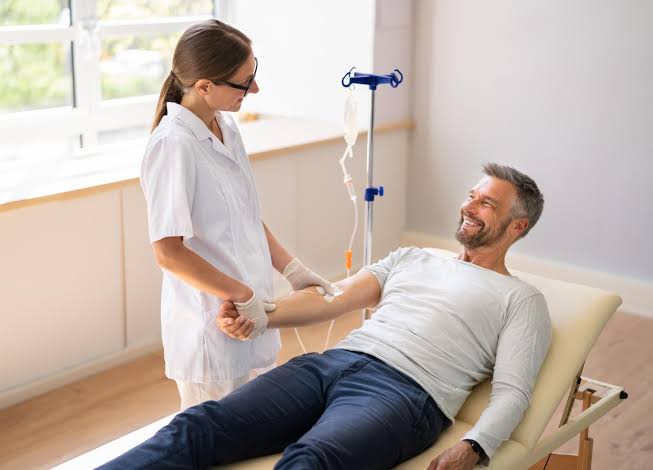
For people in Orem and throughout Utah Valley who are considering a new approach after limited improvement with standard depression care, preparation is essential. ketamine therapy for treatment-resistant depression Orem is offered by Etherios Therapy, a local Orem practice whose ketamine page describes provider-guided sessions, clinically trained specialists, preparation and integration support, and coordination with an existing therapist when appropriate. The practice also outlines in-clinic Spravato and intramuscular ketamine options for adults seeking carefully supervised care near Provo, Orem, and surrounding communities.
Ketamine therapy is not a quick fix and is not right for every person. A thoughtful plan can help patients arrive informed, comfortable, and ready to discuss both potential benefits and meaningful risks with a qualified clinician. It also gives patients time to arrange transportation, prepare a supportive home environment, and build follow-up care into the process.
Ketamine is an anesthetic medication that has also been used in certain clinical settings for depression-related care. It works differently from conventional daily antidepressants. Depending on the treatment plan, a provider may discuss ketamine itself or esketamine, which is a related medication.
Esketamine nasal spray, sold under the brand name Spravato, is FDA-approved for specific adults with treatment-resistant depression and for depressive symptoms associated with major depressive disorder with acute suicidal thoughts or behavior. Other ketamine approaches may be used off-label, which means a provider uses medical judgment for a purpose or route that does not have the same FDA approval. That distinction is worth discussing clearly before treatment begins.
A supervised session may include reviewing symptoms, checking vital signs, administering medication, observing the patient during recovery, and confirming the patient’s stability before discharge. The FDA’s compounding risk alerts also emphasize why patients should understand whether a medication is FDA-approved or compounded, and why professional monitoring matters when ketamine-related products are used.
Eligibility is a medical decision, not something to be determined by an online checklist. A provider should review a patient’s full history, current symptoms, medications, and treatment goals. Extra screening may be especially important for people with:
· Uncontrolled high blood pressure, heart disease, or other significant medical conditions.
· A history of psychosis, mania, or unstable psychiatric symptoms.
· Current or past concerns involving substance use.
· Pregnancy, breastfeeding, or plans for pregnancy.
· Liver disease or a history of medication-related liver problems.
· Use of sedatives, opioids, stimulants, antidepressants, or other medications that could affect treatment.
Bring an accurate list of prescriptions, over-the-counter medicines, supplements, allergies, and recent health changes. Do not stop or change medications on your own to prepare for treatment.
A responsible clinic should welcome practical questions. Consider asking:
1. Who will complete my medical and mental health evaluation?
2. Which medication and route of administration do you recommend, and why?
3. What diagnosis or symptoms is this treatment intended to address?
4. How will my blood pressure, breathing, alertness, and comfort be monitored?
5. Who will be present during treatment, and what happens if I feel distressed?
6. What side effects should I report immediately or after I return home?
7. What are the transportation restrictions after a session?
8. How will you coordinate with my therapist, psychiatrist, or primary care clinician?
9. What costs are expected, and what may or may not be covered by insurance?
The Day Before
· Confirm your arrival time, expected appointment length, and fasting instructions.
· Ask specifically which medications to take or avoid, then follow only the clinic’s instructions.
· Arrange for a trusted adult to drive you home if the provider requires it.
· Keep your schedule light afterward, especially if a winter drive through Utah Valley or a longer commute could add stress.
Before Leaving Home
· Wear comfortable clothing and avoid bringing unnecessary valuables.
· Bring identification, insurance details if applicable, and your current medication list.
· Tell the clinic about new illness, alcohol or recreational drug use, medication changes, or worsening mental health symptoms.
· Consider writing down one or two treatment goals or questions to discuss before the session.
Experiences vary by person, dose, and route of administration. Some people describe relaxation, sleepiness, an altered awareness of time, or a dreamlike, inward-focused state. Others may experience dizziness, nausea, temporary visual or sensory changes, or dissociation, which can feel like a sense of distance from thoughts, feelings, surroundings, or the body.
Tell the care team promptly if you feel frightened, overly confused, nauseated, short of breath, unsteady, or otherwise uncomfortable. Monitoring is not just a formality. It allows the team to respond to changes in blood pressure, alertness, breathing, or distress while you are still in the clinical setting.
Plan to rest after treatment. Avoid driving, alcohol, recreational drugs, strenuous responsibilities, and major financial or personal decisions until your provider says normal activities are appropriate. A calm ride home, water or a light meal if permitted, and a quiet evening can make the transition easier.
Keep brief notes about mood, sleep, anxiety, physical effects, and questions that arise after each session. These details can help your provider and therapist evaluate whether the plan is helping and whether adjustments are needed. Therapy can also offer a structured place to process emotions, patterns, and goals that emerge during treatment.
Call 911 for chest pain, severe trouble breathing, fainting, a serious allergic reaction, or another medical emergency. Seek urgent mental health help for new or worsening suicidal thoughts, intent to harm yourself or someone else, or severe agitation that does not improve. In the United States, people in emotional crisis can call, text, or chat with the 988 Suicide & Crisis Lifeline; call 911 when there is immediate danger.
Ketamine therapy deserves the same careful preparation as any other meaningful mental health treatment. Look for thorough screening, clear consent, trained staff, appropriate monitoring, reliable transportation planning, and a follow-up plan that includes your broader care team. For Orem residents, asking informed questions before the first appointment can help turn curiosity into a safer, more grounded decision.