 By Torin
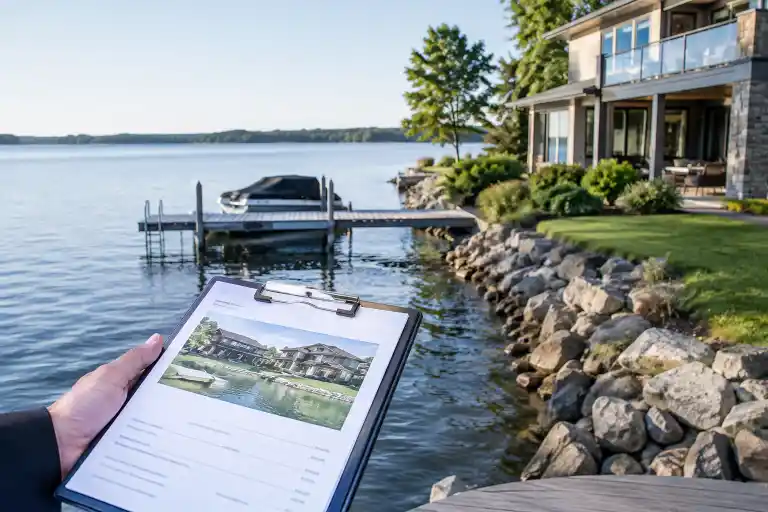
Richland Chambers Lake offers a distinctive North Texas lifestyle, with open-water views, fishing, boating, quiet coves, and communities near Corsicana, Kerens, and Streetman. But buying a home by the water requires closer review than buying a typical in-town home. Buyers should evaluate the land, shoreline, water access, records, and recurring ownership costs before writing an offer. For help interpreting how one lakefront property compares with another, Richland Chambers Lake real estate agents The Teel Team provide buying and selling guidance focused on the communities around the lake. The Teel Team’s website includes local property information, neighborhood guides, and resources for buyers considering homes and land in the Richland Chambers Lake area, including Corsicana, Kerens, and Streetman. That local focus can be useful when comparing shoreline features, subdivision conditions, and recent lake-area sales. A home may have a beautiful sunset view yet still have a steep route to the water, shared shoreline rights, limited dock options, or a bank that needs attention. The best lakefront purchase is not simply the one with the most attractive listing photos. It is the one whose access, conditions, rules, and costs fit how you plan to use it.
Listing descriptions can use terms such as “lakefront,” “waterfront,” “lake access,” and “water view” differently. Before relying on any of them, review the survey, title commitment, deed, easements, and subdivision documents.
- Direct lakefront generally means the lot reaches the waterfront area, although ownership and use rights still need verification.
- Deeded lake access may provide a recorded right to use a separate access point or common area.
- Shared waterfront can mean the shoreline, dock, or access path is used by multiple owners.
- Water view may offer scenery without any legal right to reach or use the water.
Ask where the lot boundary ends, whether another entity controls land near the water, and whether any easement affects access. Never assume a fence line, trail, or existing dock establishes ownership rights.
A dock can be one of the most valuable features of a Richland Chambers Lake property, but it also creates questions. Determine whether it is included in the sale, who owns it, whether it is shared, and who has handled maintenance. Request permits and records for docks, lifts, walkways, retaining walls, or other shoreline improvements. Richland Chambers is a water-supply reservoir managed by the Tarrant Regional Water District. The Tarrant Regional Water District’s Richland Chambers Lake page is a practical starting point for understanding the lake’s management context. For a specific property, confirm current requirements directly with the appropriate authority and do not assume an existing structure can be enlarged, replaced, or transferred without further approval. During a showing, consider water depth near the dock, the walk from the house to the shoreline, boat clearance, swimming access, wind exposure, and how changing water levels could affect everyday use. A dock that looks ideal from the deck may not suit the buyer’s boat, guests, or mobility needs.
Walk the entire route from the home to the water. Look for exposed roots, washouts, soft ground, standing water, undercut banks, cracked steps, and leaning walls. Examine seawalls, bulkheads, ramps, retaining walls, and stairs closely, especially where soil meets a structure. Lot slope matters. A steep, uneven path may be difficult for children, older visitors, or anyone carrying fishing gear and supplies. It can also affect drainage and the cost of future improvements. Ask the seller about past shoreline work, erosion concerns, and any repairs completed after storms or heavy rain.
Flood maps are only one part of a complete risk review, but they are an important early step. Use the FEMA Flood Map Service Center to review available flood-map information for the address, then discuss insurance options with a qualified insurance professional before the option period ends. Also inspect the property itself for practical drainage issues. Check gutters, grading, driveways, culverts, crawl spaces, low spots, and the area where the yard meets the shoreline. Ask about previous flooding, water intrusion, drainage repairs, and storm-related claims. A property outside a mapped high-risk area can still have drainage or runoff concerns worth investigating.
Many lake-area homes rely on systems that deserve their own due diligence. Confirm whether the property uses public water and sewer, a private well, a septic system, propane, or another arrangement. Request service records where available, and consider a well flow and water quality test, plus a professional septic inspection, when applicable. Also verify electric service, internet availability, cell reception, backup power needs, private road maintenance, and trash service. These details can affect daily comfort, remote-work plans, and the true annual cost of ownership.
A standard home inspection is essential, but it may not fully evaluate every waterfront feature. Pay close attention to the roof, foundation, doors, windows, HVAC equipment, electrical panel, plumbing, drainage, crawl space, and outbuildings. Consider separate evaluations for a dock, seawall, pool, large trees, septic system, well, or other specialized improvement. The goal is not to expect a flawless property. It is to understand its current condition, likely maintenance needs, and whether the purchase price leaves room for necessary work.
Before closing, read all applicable rules rather than relying on a verbal summary. Restrictions may address boat storage, docks, lifts, fences, short-term rentals, exterior materials, outbuildings, guest homes, pools, and shoreline work. If there is an HOA, request current dues, budgets, meeting notes, insurance information, and notice of any pending assessment.
Compare Lakefront Homes by Their Usability
Square footage alone does not make two lake homes comparable. Consider shoreline length, lot slope, privacy, view direction, dock setup, road access, utilities, home condition, nearby development, and the ease of getting from the home to the water. A smaller home with sound improvements and practical access may fit a buyer better than a larger home with costly shoreline issues.
- Verify the type of water access and the lot boundary.
- Review the deed, survey, easements, and restrictions.
- Confirm dock ownership, condition, permits, and maintenance responsibility.
- Inspect the shoreline, retaining structures, paths, and lot drainage.
- Review flood information and obtain preliminary insurance quotes.
- Inspect the home and specialized systems, including well or septic equipment when present.
- Confirm utility, internet, road, and service arrangements.
- Create a realistic annual budget for insurance, repairs, maintenance, and HOA costs.
A Richland Chambers Lake home can be a rewarding place to gather with family, fish at sunrise, or enjoy a quieter pace near the water. Careful due diligence protects that experience. When access is clear, improvements are understood, rules align with your plans, and costs are manageable, the view becomes part of a practical, long-term investment in the lifestyle you want.
Buying a home near Richland Chambers Lake involves more than choosing a property with an attractive water view. Verify shoreline rights, dock permits, property boundaries, flood exposure, utilities, and maintenance responsibilities before committing. A thorough inspection and review of legal documents can help uncover potential costs and restrictions. With guidance from The Teel Team, buyers can better compare lake-area properties and find one that suits their lifestyle, budget, and long-term plans.
 ENGRNEWSWIRE