 By Torin
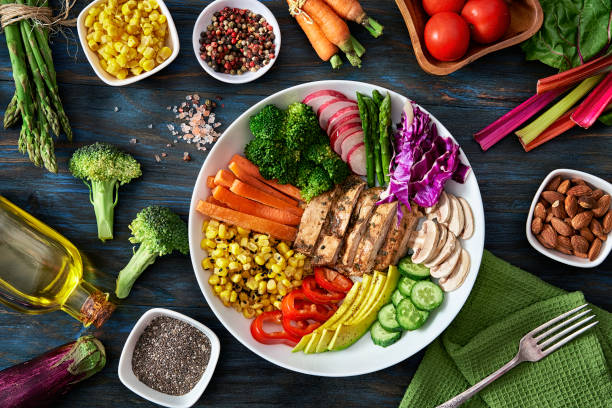
Weeknight meal planning does not have to mean cooking elaborate dinners or preparing every bite on Sunday. A short plan can make grocery shopping more focused, make evenings less stressful, and give you a realistic answer to the daily question of what to cook. Before building a list, browsing grocery stores near me can help you identify convenient options for fresh ingredients and regular grocery runs.
The goal is not perfection. A good meal plan leaves room for leftovers, unexpected events, changing appetites, and nights when a simple sandwich or bowl of eggs is the best choice. Start with meals your household will actually eat, then use the plan to make those meals easier to shop for and prepare.
Planning reduces the number of decisions that have to be made at the end of a busy day. It also gives you a reason to use ingredients already in the refrigerator, freezer, and pantry before buying more. Health Canada’s four steps for planning meals include deciding what to eat, making a grocery list, shopping with the list, and cooking from the plan.
A meal plan does not need to cover breakfast, lunch, and dinner for seven days. For many households, planning three to five dinners is enough, especially when leftovers, restaurant meals, work events, or family commitments are part of the week.
Look at your calendar before choosing recipes. Match the effort required for dinner to the time you truly have available. Save a longer soup, tray bake, or casserole for a quieter evening, and reserve quick meals for late work nights, practices, appointments, or travel days.
- How many dinners will be eaten at home?
- Which nights allow about 30 minutes of cooking?
- Which nights need food on the table in 15 minutes or less?
- Will leftovers be used for lunch or another dinner?
- Are there allergies, dietary needs, or strong dislikes to consider?
Take a quick inventory before writing a grocery list. Identify produce that needs to be used soon, frozen proteins that can be thawed, and open pantry items such as rice, pasta, beans, or canned tomatoes. Let those foods shape at least a few dinners for the week.
This step helps prevent duplicate purchases and makes it easier to use perishable ingredients first. Government guidance on reducing food waste also recommends checking food on hand, sticking to a list, using perishables first, and turning leftovers into meals such as soups, stir-fries, and casseroles.
Instead of searching for a brand-new recipe every night, build meals from a repeatable formula. Choose one item from each group, then change the seasoning, sauce, or cooking method to keep meals interesting.
- Protein: beans, lentils, eggs, tofu, chicken, fish, or lean meat.
- Vegetable: fresh, frozen, or canned vegetables.
- Filling base: potatoes, rice, pasta, tortillas, oats, or another grain.
- Flavor builder: herbs, spices, citrus, yogurt, cheese, salsa, or dressing.
Choose a small group of versatile ingredients and use them in different formats. Spinach can go into eggs, pasta, soup, or grain bowls. Roasted vegetables can become a side dish one night, a wrap filling the next day, and part of a frittata later in the week.
Other helpful overlaps include cooked grains for salads and stir-fries, plain yogurt for sauces and dips, and beans for tacos, soups, and bowls. The meals can taste distinct when seasonings and toppings change.
Fresh ingredients add variety, but they do not have to carry the entire plan. Frozen vegetables can be useful on busy nights, while canned beans, tomatoes, broth, tuna, and pantry staples can support meals when fresh produce is running low. Compare price, convenience, and how quickly each item needs to be used.
- Fast meals: omelets, pasta, sandwiches, salads, or grain bowls.
- Cook-once meals: chili, soup, roasted chicken, casseroles, or a sheet-pan dinner with enough for another meal.
- Flexible meals: tacos, wraps, stir-fries, pizzas, or snack plates built from available ingredients.
Organize your list into produce, proteins, dairy, frozen foods, pantry items, and household supplies. Include quantities, check the kitchen before adding each item, and note a substitute for anything that may be expensive or unavailable. Buy delicate produce only in amounts you expect to use soon.
Plan around foods already at home, use economical proteins such as eggs, beans, lentils, and canned fish, and compare unit prices when packages differ in size. Seasonal produce may offer good value, but the best option is the ingredient that fits your budget and will be used. If you buy a premium item, use it as an accent rather than making it the centerpiece of every dinner.
Prep only what will make the next few days easier. In about 30 minutes, you might wash produce, cook rice or another grain, mix a dressing, portion ingredients for the first two meals, and freeze food that will not be used soon. This creates a head start without turning the weekend into a long cooking project.
Change the format of leftovers instead of serving the same plate twice. Roasted chicken can be used in wraps, soup, salads, or rice bowls. Cooked vegetables can go into pasta, quesadillas, eggs, or blended soup. Freeze extra portions promptly when you know they will not be eaten within the next few days.
- Monday: A simple meal using fresh ingredients.
- Tuesday: A quick pantry-based dinner.
- Wednesday: A cook-once meal with planned leftovers.
- Thursday: A flexible bowl, wrap, or stir-fry.
- Friday: A low-effort meal that uses remaining ingredients.
Missed meals are normal. Move the meal to another day, freeze cooked food, simplify the recipe, or use a backup option. Keep a few low-effort meals available, such as bean and cheese quesadillas, pasta with canned tomatoes and frozen vegetables, eggs with toast, soup and salad, or rice bowls topped with leftovers.
How many meals should be planned each week?
Three to five dinners is often enough. The right number depends on how often your household cooks, eats leftovers, or has meals away from home.
Can meal planning save money?
It can help you make more intentional purchases, use food before it spoils, and reduce reliance on unplanned takeout. Savings vary by household, location, dietary needs, and grocery prices.
Is meal prep required?
No. Meal planning decides what you intend to eat. Meal prep completes a few tasks in advance. You can plan dinners without having to cook everything ahead of time.
The most effective meal plan is one that makes real life easier. Choose flexible meals, use ingredients in several dishes, keep a few backup foods on hand, and adjust as the week changes. With a short planning session and a focused grocery list, weeknight dinners can feel more manageable without becoming another demanding task.