 By William
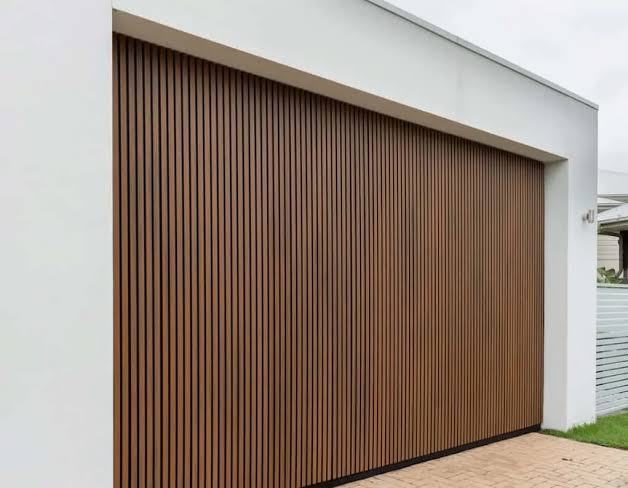
The exterior of a home does much more than create the first impression. While many homeowners focus on paint colors, architectural style, or visual appeal, the materials covering the outside of a building play a much bigger role. Exterior cladding protects the structure from weather, improves energy efficiency, affects maintenance requirements, and can influence the long-term value of a property.
Choosing the right cladding material is not only about selecting the most attractive option. Homeowners need to consider climate conditions, durability, installation quality, repair needs, cost, and how the material will perform years after installation.
With many options available today, including traditional and modern materials, understanding the advantages and limitations of each choice can help homeowners make a smarter investment.
Exterior cladding is the protective layer installed on the outside walls of a building. It acts as a barrier between the interior structure and external elements such as rain, sunlight, wind, temperature changes, and moisture.
Depending on the material and installation method, cladding can provide several benefits:
- Protection against weather damage
- Improved insulation performance
- Better moisture management
- Enhanced appearance
- Reduced maintenance requirements
- Increased property value
A well-designed cladding system does not simply cover the building. It works as part of the home’s overall protection system.
Every home has different requirements. A material that performs well in one location may not be the best option in another. Before making a decision, homeowners should evaluate several important factors.
Climate is one of the biggest influences on cladding performance.
Homes in areas with heavy rainfall need materials that resist moisture absorption and prevent water damage. Properties in hot climates require surfaces that handle strong sunlight without excessive fading or heat transfer.
Cold regions may require cladding systems that work well with insulation layers to reduce heat loss during winter.
Important climate considerations include:
- Average rainfall
- Humidity levels
- Temperature changes
- Wind exposure
- Sun intensity
- Seasonal weather patterns
Choosing a material without considering the local environment can lead to premature damage and higher repair costs.
Different materials offer different combinations of appearance, durability, and maintenance requirements. Understanding their characteristics makes the selection process easier.
Fiber cement has become a popular choice because it offers a balance between durability and appearance. It is made from a combination of cement, cellulose fibers, and other materials.
Advantages include:
- Strong resistance to moisture
- Protection against insects
- Good fire resistance
- Multiple design options
- Long service life
Fiber cement can imitate the appearance of wood, stone, or traditional siding while requiring less maintenance than natural materials.
However, it is heavier than some alternatives and requires professional installation to avoid problems such as cracking or improper sealing.
Wood remains a popular option because of its warm and natural appearance. Cedar, timber, and other treated woods can create a unique architectural style.
Benefits of wood cladding include:
- Natural beauty
- Renewable material options
- Good insulation properties
- Ability to be repaired or refinished
The main challenge with wood is maintenance. Without proper treatment, it can be affected by:
- Moisture
- Rot
- Insects
- UV damage
- Color fading
Homeowners choosing wood should be prepared for regular sealing, staining, or painting to maintain performance.
Vinyl siding is widely used because it is affordable and relatively easy to maintain.
Advantages include:
- Lower installation cost
- Resistance to moisture
- Easy cleaning
- Wide range of colors and styles
However, vinyl has limitations. Lower-quality products may become damaged from extreme temperatures, strong impacts, or prolonged sunlight exposure.
For homeowners looking for a budget-friendly option, vinyl can be practical, but selecting a higher-quality product is important for better long-term results.
Brick has been used in construction for centuries because of its strength and longevity.
Benefits include:
- Excellent durability
- Low maintenance
- Strong weather resistance
- Timeless appearance
- Good fire resistance
Brick usually requires less ongoing care compared to many other materials. However, the initial cost can be higher, and repairs may require specialized skills.
Proper installation is essential because poor drainage behind brick surfaces can create moisture problems.
Stone provides a premium appearance and exceptional durability. Natural stone and manufactured stone products are both available for modern homes.
Advantages include:
- High-end appearance
- Long lifespan
- Strong weather resistance
- Low maintenance
The biggest disadvantage is cost. Natural stone materials and professional installation can be expensive compared with other cladding options.
Metal cladding, including aluminum and steel panels, has become more common in modern architectural designs.
Benefits include:
- Contemporary appearance
- Resistance to insects and rot
- Low maintenance
- Long lifespan
- Recyclable material options
Metal performs well in many environments, but homeowners should consider issues such as corrosion, insulation requirements, and possible noise during heavy rain.
The cheapest cladding option is not always the most affordable over time. Initial installation costs are only one part of the total investment.
Homeowners should consider:
- Cleaning frequency
- Painting requirements
- Repair costs
- Replacement difficulty
- Expected lifespan
For example, a lower-cost material requiring frequent maintenance may eventually cost more than a higher-quality material with minimal upkeep.
A long-term approach helps homeowners avoid repeated expenses.
Modern cladding systems can contribute to better energy performance when combined with proper insulation and installation techniques.
Although cladding itself is not a complete insulation solution, it can support:
- Reduced heat transfer
- Better indoor comfort
- Lower heating and cooling demand
- Improved moisture control
Some advanced systems include ventilated spaces behind the cladding that allow airflow and help manage moisture.
Many exterior problems happen because homeowners focus only on appearance or initial price.
Common mistakes include:
Even the best material can fail if installed incorrectly. Poor flashing, weak sealing, or improper moisture barriers can create expensive problems.
A material may look attractive but perform poorly in a specific climate.
Homeowners should understand the care requirements before making a decision.
Low upfront cost does not always mean better value. Durability and lifespan should also be considered.
A well-maintained exterior can improve a home’s appearance and market appeal. Buyers often notice exterior condition before evaluating interior features.
Quality cladding can provide:
- Better curb appeal
- Reduced maintenance concerns
- Improved protection
- Greater buyer confidence
For homeowners planning to sell in the future, durable exterior materials can become a valuable investment.
Choosing exterior cladding materials requires more than selecting a style that matches personal taste. The right choice depends on climate conditions, durability expectations, maintenance preferences, budget, and long-term property goals.
Materials like fiber cement, wood, brick, stone, vinyl, and metal each have unique strengths and limitations. By evaluating performance instead of focusing only on appearance or price, homeowners can choose a cladding system that protects their property and provides lasting value.
A carefully selected exterior cladding solution can improve comfort, reduce future repairs, and help a home remain attractive and functional for many years.
 Mehar Mozan