 By Torin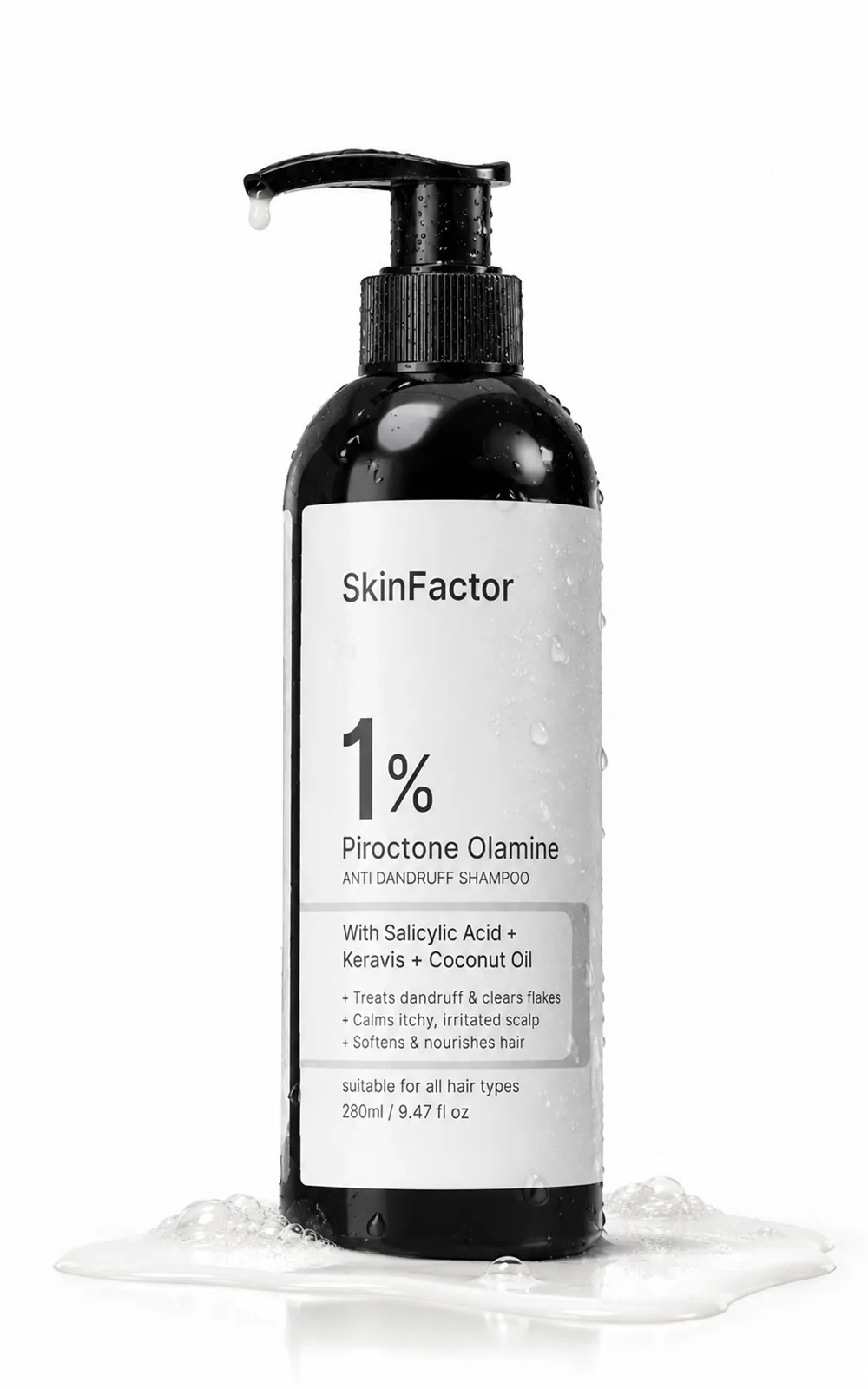
An oily scalp can create a frustrating combination of excess oil, greasy roots, dandruff, itching, and visible flakes. When the scalp produces more sebum than needed, hair can begin to look flat or unwashed shortly after shampooing. At the same time, excess oil and scalp buildup may make dandruff more noticeable.
Choosing the right shampoo is therefore an important part of an effective hair-care routine. The Skin Factor Anti Dandruff Shampoo for Oily Scalp is designed for people who want targeted anti-dandruff care while maintaining a clean and refreshed scalp. A well-planned routine can help manage excess oil, remove buildup, and keep the hair looking fresher for longer.
The scalp naturally produces sebum, an oily substance that helps protect the skin and hair. Sebum is not inherently bad; it becomes a concern when excessive oil makes the scalp feel greasy or contributes to buildup.
An oily scalp may cause hair to become limp, sticky, or difficult to style. In some people, dandruff can also become more noticeable when there is a combination of oil, dead skin cells, and other scalp buildup.
Dandruff is commonly associated with flaking and scalp irritation, although the exact cause can vary from person to person. Because oily scalp and dandruff can occur together, choosing a shampoo specifically intended for this type of routine can be helpful.
A regular shampoo may clean away surface oil, but an anti-dandruff shampoo is intended to provide more targeted scalp care.
For people with an oily scalp, the goal is to remove excess oil and buildup without creating an unnecessarily harsh cleansing routine. Over-cleansing can sometimes leave the scalp feeling uncomfortable, while insufficient cleansing can leave behind oil and residue.
The Skin Factor Anti-Dandruff Shampoo for Oily Scalp can be incorporated into a routine focused on maintaining scalp freshness and managing visible dandruff.
The ideal approach is not simply to remove as much oil as possible. Instead, effective scalp care aims for a practical balance between cleanliness, comfort, and consistent dandruff management.
A dedicated anti-dandruff shampoo can provide several benefits when used as part of a consistent routine.
Visible flakes can become especially noticeable on dark clothing or around the hairline. Regular anti-dandruff cleansing can help manage the appearance of flakes and keep the scalp looking cleaner.
Oily roots can make hair appear greasy quickly. A shampoo designed for an oily scalp can help remove excess sebum, sweat, and everyday buildup.
A properly cleansed scalp generally feels fresher and lighter. Removing accumulated oil and residue can make the hair feel cleaner and easier to manage.
Dandruff management often requires consistency. Incorporating an anti-dandruff shampoo into a regular routine can make targeted scalp care easier to maintain.
The way shampoo is applied matters just as much as the product itself.
Begin by thoroughly wetting the hair and scalp with lukewarm water. This helps loosen surface oil and prepares the scalp for cleansing.
Apply an appropriate amount of The Skin Factor Anti-Dandruff Shampoo directly to the scalp. Use your fingertips to gently massage the product across the scalp. There is no need to scratch aggressively or use your fingernails.
Concentrate on areas that tend to become oily, such as the crown, hairline, and sides of the scalp. Follow the product’s recommended contact time if one is provided on the packaging.
Rinse thoroughly with water. Make sure no shampoo residue remains on the scalp or hair.
If the hair lengths feel dry after washing, apply conditioner mainly to the mid-lengths and ends rather than applying a large amount directly to the scalp.
An oily scalp may require more frequent cleansing than a dry scalp, but there is no universal washing schedule.
Your ideal frequency depends on oil production, hair type, physical activity, weather, styling products, and personal preference. Someone who exercises frequently or lives in a hot and humid environment may need to cleanse more often than someone with a less oily scalp.
The important point is to avoid assuming that more shampoo automatically means better scalp care. Follow the product instructions and adjust the routine according to how the scalp responds.
If the scalp becomes excessively dry, tight, or irritated, the routine may need to be reconsidered.
Several everyday factors can influence how oily the scalp feels.
Sebaceous glands naturally produce oil. Genetics can influence how much sebum an individual’s scalp produces.
Warm and humid weather can increase sweating and make an oily scalp feel even greasier.
Regularly touching the hair can transfer oils from the hands to the hair and scalp, potentially making the roots appear greasy.
Waxes, gels, oils, creams, and other styling products can contribute to buildup when used excessively or not properly removed.
If an oily scalp is not cleansed regularly enough for its needs, accumulated oil, sweat, and residue may make the hair feel heavy.
Even with a suitable shampoo, certain habits can make scalp management more difficult.
Hot water may feel comfortable during a shower moisturizer but very high temperatures can leave the scalp feeling dry or irritated. Lukewarm water is generally a better choice for regular cleansing.
A greasy scalp can create the temptation to scrub harder. However, aggressive scratching can irritate the scalp. Gentle fingertip massage is usually sufficient.
Using numerous styling products can make an oily scalp feel heavier. Use products in moderation and ensure the scalp is cleansed properly.
Hair oils may be useful for certain hair types and concerns, but applying large quantities to an oily scalp may make the roots appear even greasier.
Understanding the difference between oily and dry scalp can help when selecting hair-care products.
An oily scalp tends to feel greasy, particularly around the roots. Hair may lose volume quickly and appear shiny or weighed down.
A dry scalp, on the other hand, may feel tight, rough, or uncomfortable and can produce flakes associated with dryness.
Interestingly, both conditions can involve visible flakes. This is why it is useful to consider the overall scalp condition rather than assuming every flake means the same thing.
The Skin Factor focuses on skincare-inspired routines designed around practical everyday needs. Scalp care deserves the same attention because the scalp is an extension of the skin.
A dedicated anti-dandruff shampoo can become an important component of a simple routine. Instead of constantly switching between different products, maintaining a consistent approach allows the scalp to receive regular, targeted cleansing.
For oily scalp concerns, the focus should remain on effective cleansing without unnecessarily irritating the scalp.
A straightforward routine can be easier to maintain than a complicated collection of products.
Step 1: Wet the hair thoroughly.
Use lukewarm water to prepare the scalp.
Step 2: Apply The Skin Factor Anti-Dandruff Shampoo.
Focus primarily on the scalp and roots.
Step 3: Massage gently.
Use the fingertips and avoid scratching.
Step 4: Rinse thoroughly.
Remove shampoo and loosened buildup completely.
Step 5: Condition where needed.
Apply conditioner mainly to the lengths and ends if the hair requires additional softness.
Step 6: Dry carefully.
Avoid aggressive towel rubbing and excessive heat.
This routine keeps the process simple while giving the scalp regular attention.
Not every case of scalp flaking is ordinary dandruff. Persistent or severe symptoms may sometimes be associated with other scalp conditions.
If there is persistent redness, significant itching, pain, swelling, thick scaling, sores, hair loss, or symptoms that do not improve with appropriate care, professional evaluation can help determine the underlying cause.
A healthcare professional can distinguish common dandruff from conditions that may require a different type of treatment.
An oily scalp requires a thoughtful balance between effective cleansing and scalp comfort. Excess sebum, sweat, styling residue, and visible flakes can make hair feel greasy and difficult to manage, which is why a targeted scalp-care routine can be valuable.
The Skin Factor Anti-Dandruff Shampoo for Oily Scalp can be incorporated into a consistent routine focused on cleansing excess oil and supporting the management of visible dandruff. Using the shampoo correctly, avoiding aggressive scrubbing, limiting unnecessary buildup, and maintaining an appropriate washing schedule can all contribute to a cleaner and fresher-feeling scalp.
For an oily, dandruff-prone scalp, consistency is key. A simple routine built around regular cleansing, gentle application, and appropriate hair care can help maintain a more comfortable scalp and fresher-looking hair.