 By Torin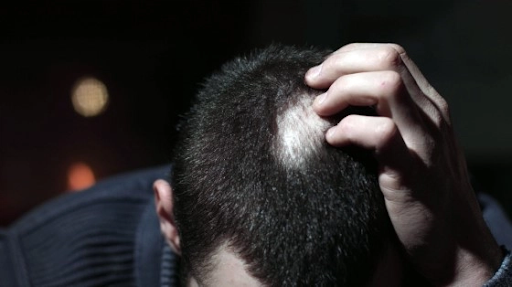
A receding or uneven hairline can quietly chip away at your self-confidence, altering how you present yourself to the world. Many individuals face patchy shedding or a high forehead, leading them to seek specialised dermatological care. If you are struggling with sudden, patchy hair fall, finding an effective alopecia areata treatment in Mumbai can be the first step towards restoring your natural hair growth. However, for those looking to redefine their facial symmetry and address genetic recession, a tailored Mumbai hairline correction offers a permanent cosmetic solution. Understanding how these modern procedures work helps you make an informed decision about restoring your hair and frame your face beautifully.
A balanced hairline is not merely a straight line drawn across the forehead. Instead, it is a bespoke frame that complements your unique facial proportions, jawline, and eye distance. Hair restoration specialists use the “rule of thirds” to divide the face into equal horizontal sections: from the chin to the base of the nose, the nose to the brow, and the brow to the original hairline. When genetic hair loss disrupts this balance, it can make the forehead appear disproportionately large.
Opting for a Mumbai hairline correction allows surgeons to design a natural, age-appropriate boundary. This process requires a deep understanding of facial anatomy and artistic precision. Surgeons must mimic the natural micro-irregularities of a real hairline, ensuring the transition from bare skin to dense hair looks completely seamless. They categorise the front zone into the transition zone, the defined zone, and the silhouette zone. By placing single, fine hair grafts at the very front and progressively denser follicular units behind them, specialists recreate the subtle density gradient found in nature. This meticulous approach prevents the harsh, artificial “pluggy” look associated with older hair transplant methods, giving patients a soft, authentic appearance that stands up to close inspection.
Achieving a natural look depends heavily on the technology and surgical extraction methods utilised during the procedure. Today, advanced techniques allow specialists to reconstruct hairlines with remarkable clinical precision, ensuring the results are virtually indistinguishable from original hair growth patterns.
Follicular Unit Extraction stands as the preferred method for refining the frontal hairline. Unlike older strip-harvesting methods, FUE involves extracting individual hair follicles from the donor area—usually the back of the scalp—using micro-punches measuring less than one millimetre in diameter. This minimises scarring and allows for a much quicker recovery period. During a Mumbai hairline correction, the surgeon carefully selects the finest hair follicles from the donor site, as these closely match the natural texture of frontal hair. The angle and direction of graft insertion are critical at this stage. Frontal hair naturally grows forward and downward at an acute angle, rather than pointing straight up. By mimicking these precise exit angles, the medical team ensures that the transplanted hair behaves exactly like natural hair when styled.
Some clinics also offer Direct Hair Implantation, which uses specialised implanter pens to control the depth, angle, and direction of each graft simultaneously. This technique reduces the time the follicles spend outside the body, improving overall survival rates and density.
Before undergoing any cosmetic hairline modification, diagnosing the root cause of your hair loss is essential. While male and female pattern baldness are the most common culprits behind a receding hairline, other autoimmune conditions can also impact scalp health. For instance, individuals suffering from sudden, patchy hair loss might require clinical intervention rather than immediate surgery. Seeking a professional alopecia areata treatment in Mumbai ensures that active inflammation is controlled before any surgical reconstruction is considered.
Alopecia areata occurs when the immune system mistakenly attacks the hair follicles, leading to round patches of hair loss. Because this condition is unpredictable, surgical hair transplants are generally avoided during active flare-ups. Instead, dermatologists utilise targeted therapies such as corticosteroid injections, topical immunotherapies, or oral medications to calm the immune response and stimulate regrowth. These medical interventions work by suppressing the local immune activity, allowing the dormant follicles to recover and begin their natural growth cycle once again. Once the scalp condition stabilises and the hair loss remains inactive for a significant period, patients can then discuss cosmetic refinements. Combining medical management with a planned hairline surgical procedure allows individuals to address both active scalp conditions and permanent structural recession, leading to a comprehensive, highly effective, and long-term solution for their hair-related concerns.
Your journey towards a restored hairline begins with an in-depth clinical consultation. During this initial meeting, the specialist evaluates your donor hair density, scalp elasticity, and the overall progression of your hair loss. They will use a trichoscope to examine the health of your hair follicles under high magnification, checking for signs of miniaturisation or scalp inflammation. This diagnostic step is vital to rule out active autoimmune issues that might require a specialised alopecia areata treatment in Mumbai before proceeding with any surgical options.
Once you are cleared for the procedure, the doctor works with you to design the new hairline. This is a collaborative process where the surgeon draws the proposed boundary directly onto your forehead. They take into account your age, ethnic facial features, and future hair loss projections to ensure the design remains flattering as you grow older. You will also receive detailed pre-operative instructions, which typically include avoiding blood-thinning medications, alcohol, and smoking for at least a week before the surgery. Understanding these preparation steps reduces anxiety and sets realistic expectations, ensuring a smooth, stress-free experience on the day of your procedure. Following these guidelines carefully is key to achieving the best possible graft survival rate.
The success of your hair restoration depends significantly on how well you care for your grafts during the initial healing phase. Immediately following the procedure, the recipient area will have tiny scabs and mild redness, which typically subside within seven to ten days. Patients must sleep with their heads elevated for the first few nights to minimise swelling and avoid touching or scratching the newly implanted follicles.
Cleanliness is paramount during the first week. You will receive a specialised saline spray or a gentle washing protocol to keep the scalp clean without dislodging the grafts. Around two to four weeks post-surgery, you may experience a phase known as “shock loss,” where the transplanted hair shafts fall out. This is a completely normal part of the hair cycle; the underlying root remains healthy and dormant beneath the skin. New hair growth usually begins to emerge around the third or fourth month, with visible improvements in density appearing by month six. The final, mature results of your procedure are typically visible between twelve and eighteen months, revealing a naturally dense, beautifully shaped hairline that blends seamlessly with your existing hair.
Restoring a balanced hairline is about more than just aesthetics; it is about reclaiming your self-assurance and feeling comfortable in your own skin. Whether you are managing complex scalp conditions or seeking to redefine your facial frame with a precise surgical restoration, modern hair restoration offers safe, predictable, and highly natural-looking outcomes. By choosing a qualified specialist who understands the balance of facial artistry and clinical science, you can achieve a permanent solution tailored to your unique needs. Take the time to research your options, consult with experienced professionals, and embark on a transformative journey toward a fuller, more balanced hairline.