 By Torin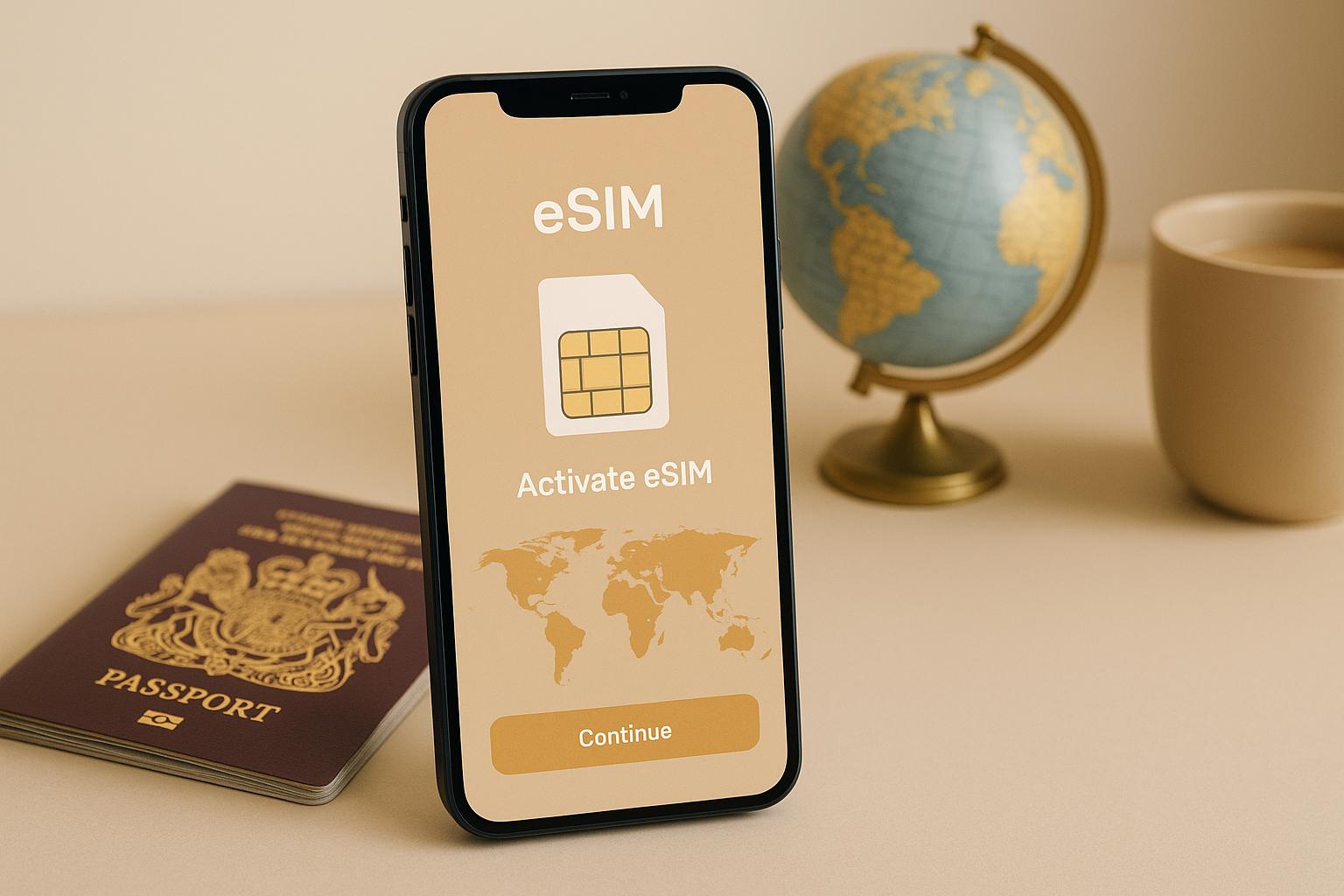
A trip across several countries once meant a pocket full of plastic SIM cards or a shocking phone bill on return. Travelers frequently found themselves hunting for local shops at each new border to buy a temporary plan. This process wasted hours of precious vacation time and created constant connectivity gaps.
A prepaid travel eSIM solves this problem in a simple way. It replaces physical cards with a digital profile that switches between networks without effort. For anyone who visits multiple nations on one journey, this small piece of technology changes the whole experience.
The first major benefit of a prepaid eSIM is the one-time installation before departure. A traveler downloads a digital profile onto their phone while still at home with a stable internet connection. This profile contains agreements with network operators across dozens of countries.
Once installed, the phone automatically connects to a local partner network upon arrival in each new nation. There is no need to remove the home SIM or carry a separate tray tool. The traveler simply lands, turns on the device, and the service starts. This single setup covers an entire itinerary from start to finish.
Multi-country travel makes phone bills unpredictable because roaming charges vary wildly between nations. A prepaid eSIM removes this guesswork with a fixed upfront price. The traveler pays for a data bundle that works across the entire region, whether that is Europe, Southeast Asia, or the Americas.
For instance, a single package might include 5 gigabytes valid for thirty days in fifteen different countries. There are no surprise fees when crossing from France to Germany or from Thailand to Vietnam. This flat rate structure lets a person budget accurately for the whole trip. The wallet stays happy, and the phone stays on.
One common frustration of border crossing is the need to search for a new carrier each time. A prepaid eSIM handles this task automatically in the background. When the traveler moves from Spain to Portugal, the digital profile scans for available partner networks. It then selects the strongest signal without any button pressing from the user.
This automatic switch works even on trains or buses that cross land borders quickly. The traveler can keep using maps, messaging apps, and translation tools without interruption. For example, a video call with family does not drop midway through a tunnel or border checkpoint. The technology simply works while the person focuses on the journey.
Travel plans sometimes shift without warning due to weather, events, or a new recommendation from a local friend. A prepaid eSIM supports this flexibility better than physical alternatives. Many providers offer top-up options that add more data or extend the validity period through a mobile app. The traveler does not need to find a store or a kiosk to reload the service.
A few taps on the screen purchase an extra 3 gigabytes for the next country on the list. Some plans even allow a switch from a country-specific bundle to a regional one mid-trip. This adaptability matches the real nature of adventure travel, where routes change on a whim. The connectivity adjusts as the journey does.
A traditional local SIM often requires removing the home card, which disables the original phone number. This creates a problem if a bank sends a verification code or if a family member needs to call urgently. A prepaid eSIM works alongside the primary physical SIM in dual-SIM phones. The home number remains active for calls and texts while the eSIM handles data for internet use.
The traveler can set the eSIM as the default for mobile data and keep the home line for essential communication. This arrangement provides a safety net for important alerts from financial institutions or ride-share apps. Two lines live together without conflict, and the traveler stays reachable on their original number.
Juggling multiple SIM cards, passwords, and activation codes becomes a headache during a long trip. A prepaid eSIM centralizes all control into one mobile application from the provider. Through this app, the traveler checks remaining data, sees validity dates, and buys new packages. The same interface shows which country the phone is currently using for the connection.
Customer support chats and troubleshooting guides live inside the same application as well. This single dashboard removes the need to remember where each SIM card came from or how to recharge it. Everything sits in one place, ready for a quick glance before a long train ride or a flight.
A prepaid travel eSIM transforms multi-country trips from a connectivity puzzle into a smooth experience. The traveler avoids the old routine of hunting for local shops and juggling tiny plastic cards. One digital profile handles network switching across borders without any manual effort.