 By William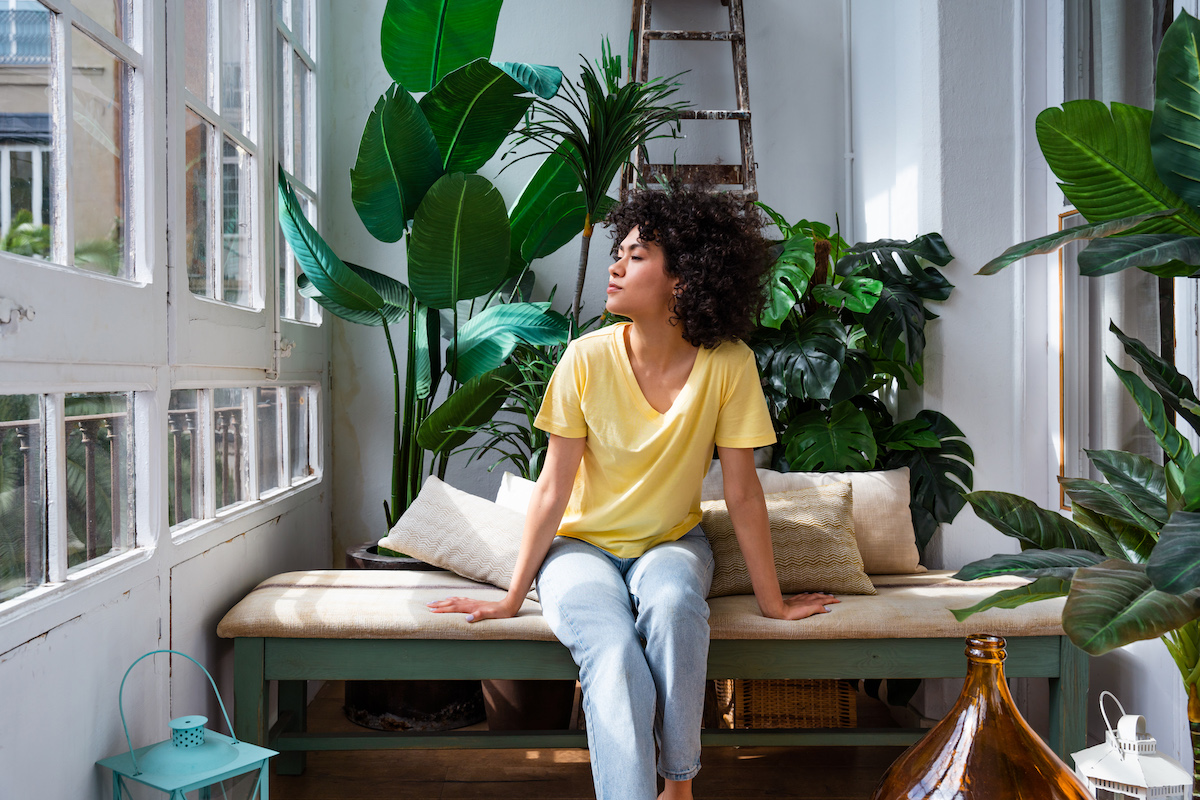
Psychological safety in a home environment refers to the feeling of calm, control, and emotional stability that your surroundings provide. It is not only about physical security, but also about how your space influences your nervous system, thoughts, and emotional responses over time.
A poorly designed home environment can quietly increase stress levels. Clutter, noise, unpredictable routines, and overstimulation can keep the brain in a mild state of alertness, which contributes to anxiety. On the other hand, a well-designed environment helps signal safety to the brain, allowing the nervous system to relax.
Psychological safety design is about intentionally shaping your home so that it reduces anxiety triggers and promotes emotional balance.
- Environmental predictability
- Sensory calmness
- Visual order
- Emotional comfort cues
- Core principles include:
- Behavioral consistency
When these elements are aligned, the home becomes a place of recovery rather than stress.
Anxiety is not only psychological; it is also environmental. The brain constantly scans surroundings for cues of safety or threat. Even subtle environmental factors can influence stress levels.
Common environmental anxiety triggers include:
- Visual clutter and disorganization
- Excessive noise or unpredictable sounds
- Harsh lighting or flickering screens
- Lack of defined personal space
- Constant digital interruptions
Over time, these factors keep the nervous system in a heightened state, making it harder to relax even at home.
By redesigning the environment, you can directly influence how the brain interprets safety.
One of the most effective ways to reduce anxiety is to divide your home into clearly defined zones. When each space has a purpose, the brain feels more structured and less overwhelmed.
Examples of zones include:
- Work zone
- Rest zone
- Eating zone
- Relaxation zone
Key benefits:
- Reduces mental confusion
- Creates predictable behavior patterns
- Helps the brain switch states more easily
Even in small homes, subtle separation (like furniture placement or lighting changes) can create psychological boundaries.
The human brain processes visual information continuously. Too much visual input increases cognitive load, which can contribute to anxiety.
To reduce visual overload:
- Keep surfaces clean and minimal
- Store unused items out of sight
- Use neutral, calming colors
- Avoid excessive decoration in primary spaces
A simplified visual environment signals safety and control to the brain.
Unpredictability increases stress. When your environment changes frequently or feels chaotic, your brain stays alert.
To improve predictability:
- Keep furniture in consistent positions
- Avoid frequent rearrangement of key spaces
- Maintain a stable layout for daily-use areas
Predictability builds familiarity, and familiarity reduces anxiety.
Lighting has a direct effect on mood and stress levels. Harsh lighting can overstimulate the nervous system, while soft lighting promotes calmness.
Recommended practices:
- Use warm or neutral lighting in evening hours
- Increase natural light exposure during the day
- Avoid flickering or overly bright lights
Lighting consistency helps regulate circadian rhythm and emotional balance.
Sound plays a powerful role in psychological safety. Sudden or unpredictable noise increases stress responses.
To improve sound environment:
- Use soft background sounds like nature or white noise
- Reduce exposure to loud or sudden sounds
- Close windows or use sound barriers if needed
A stable sound environment helps the brain stay in a relaxed state.
Physical comfort signals safety to the nervous system. Uncomfortable environments increase tension and restlessness.
To improve tactile comfort:
- Use comfortable seating and bedding
- Maintain appropriate room temperature
- Choose soft textures for relaxation areas
Comfort reinforces the feeling that the environment is safe and supportive.
Unstructured time can increase anxiety because the brain lacks predictability. A stable routine provides a sense of control.
Helpful routine elements:
- Fixed wake-up and sleep times
- Consistent meal schedules
- Regular work and rest cycles
Predictability reduces mental uncertainty and stabilizes emotional responses.
Too many daily decisions can overwhelm the brain and increase anxiety.
Ways to reduce decision fatigue:
- Plan outfits in advance
- Use structured daily schedules
- Automate repetitive tasks
- Simplify choices in daily routines
Fewer decisions mean less cognitive stress.
Transitions between activities often trigger subtle stress. Rituals help the brain shift states smoothly.
Examples include:
- Morning preparation routines
- Short walks between work sessions
- Evening shutdown routines
These signals help the mind transition between alertness and relaxation.
Excessive digital input can significantly increase anxiety levels. Constant notifications and information streams keep the brain in a reactive state.
To reduce overload:
- Disable non-essential notifications
- Limit social media usage
- Schedule specific times for checking messages
This creates mental space and reduces cognitive pressure.
A cluttered digital environment mirrors physical clutter and increases stress.
Best practices:
- Organize files into clear folders
- Keep desktop clean
- Limit open applications and tabs
A structured digital space promotes mental clarity.
Without boundaries, work and personal life can blend together, increasing anxiety.
Helpful boundaries include:
- No work-related messages after set hours
- Device-free relaxation time
- Separate devices or accounts for work and personal use when possible
Boundaries protect emotional recovery time.
Comfort anchors are objects or spaces that signal emotional safety. These help regulate stress levels naturally.
Examples:
- A favorite chair or reading corner
- Familiar scents or candles
- Personal meaningful objects
These anchors create emotional grounding in stressful moments.
Colors influence emotional states.
Common associations:
- Soft blues and greens: calmness and relaxation
- Warm neutrals: stability and comfort
- Bright colors: stimulation (use sparingly)
Balanced color use supports emotional regulation.
Nature has a strong calming effect on the nervous system.
Ways to include nature:
- Indoor plants
- Natural light exposure
- Natural materials like wood and stone
Biophilic design reduces stress and improves emotional well-being.
Over time, environments naturally become cluttered and stressful again. Regular resets help maintain psychological safety.
This includes:
- Weekly cleaning routines
- Monthly decluttering
- Seasonal reorganization
Consistency prevents buildup of environmental stressors.
Psychological safety needs evolve with lifestyle changes. Work, family, and personal habits may require adjustments in your environment.
Being flexible ensures long-term emotional balance.
Self-awareness is essential for maintaining psychological safety. Understanding what triggers anxiety helps you adjust your environment proactively.
Common triggers include:
- Noise sensitivity
- Visual clutter tolerance
- Lighting sensitivity
Identifying these helps personalize your environment.
It is the creation of a home environment that reduces stress and anxiety by promoting calmness, predictability, and emotional stability.
A cluttered or overstimulating environment increases stress responses, while a calm and organized space helps regulate emotions and reduce anxiety.
Yes, even small homes can support psychological safety through zoning, minimalism, and consistent routines.
Key factors include reducing clutter, managing noise, improving lighting, and maintaining consistent routines.
Some improvements, like decluttering and lighting changes, can create immediate relief, while routine-based changes take longer to stabilize.
Psychological safety is deeply influenced by the environment we live in every day. A well-designed home can significantly reduce anxiety by creating predictability, comfort, and emotional stability.
When physical space, sensory input, digital systems, and daily routines are aligned, the home becomes more than a place to live—it becomes a place of mental recovery and emotional balance.
 Torin
Torin  Umar Awan