 By William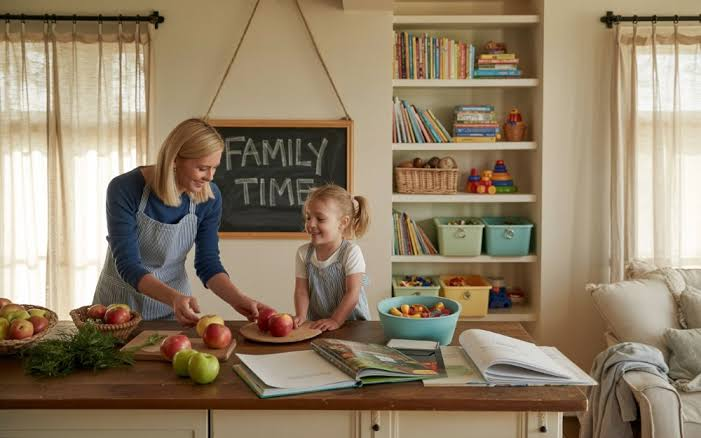
As families grow, their homes need to grow with them. What once felt like the perfect space for a couple or a family with one child can quickly become crowded as children get older, new family members arrive, or daily routines become more demanding. The good news is that you don’t always need to move to a bigger house. With the right home improvement projects, you can transform your current home into a space that better supports your family’s changing needs.
The best home improvement projects for growing families focus on creating more usable space, improving safety, increasing storage, and making everyday life more comfortable. Many of these upgrades also add long-term value to your property, making them worthwhile investments for the future.If you’re planning to improve your home for your growing family, here are some of the most practical and rewarding projects to consider.
Modern families spend a lot of time together in shared spaces. Whether it’s helping children with homework, preparing dinner, or enjoying movie nights, an open floor plan encourages interaction while making the home feel larger.
If your kitchen, dining room, and living room are separated by non-load-bearing walls, removing them can dramatically improve the flow of your home. An open layout allows parents to keep an eye on younger children while cooking and creates a welcoming space for entertaining family and friends.
Even if removing walls isn’t possible, widening doorways or using lighter paint colors can help rooms feel more connected.
The kitchen is often called the heart of the home, and for growing families, it becomes even more important. A well-designed kitchen can make meal preparation easier while providing space for children to participate in cooking or complete homework nearby.
Popular family-friendly kitchen improvements include:
- Installing a larger island with seating
- Adding more cabinets for storage
- Upgrading to energy-efficient appliances
- Installing durable countertops
- Improving lighting with under-cabinet fixtures
- Adding a walk-in pantry if space allows
Choosing materials that resist scratches, stains, and heavy daily use ensures your kitchen stays beautiful for years.
One thing every growing family quickly discovers is that children come with a surprising amount of belongings. Toys, clothes, sports equipment, books, school supplies, and seasonal decorations all require storage.
Instead of allowing clutter to take over, invest in smart storage solutions.
Built-in shelves, custom closets, under-stair storage, window benches with hidden compartments, and garage organization systems can dramatically improve your home’s functionality.
Bedroom closets can also be redesigned with adjustable shelving that grows alongside your children’s changing storage needs.
An unfinished basement offers tremendous potential for expanding your living space without increasing your home’s footprint.
Depending on your family’s needs, a finished basement can become:
- A children’s playroom
- A teenage entertainment area
- A home theater
- A guest bedroom
- A home office
- A family game room
- A fitness area
Proper insulation, moisture protection, lighting, and flooring make the basement comfortable throughout the year.
Adding a bathroom in the basement can make the space even more practical for larger families.
If your home has an unfinished attic, it may be the perfect opportunity to create an additional bedroom or quiet retreat.
Many families convert attics into:
- Children’s bedrooms
- Study areas
- Craft rooms
- Home offices
- Reading rooms
- Teen hangout spaces
Proper insulation, ventilation, and natural lighting make attic conversions both comfortable and energy efficient.
Morning routines become increasingly difficult as children grow older. Waiting in line for one bathroom creates unnecessary stress every day.
Adding a second or third bathroom can significantly improve convenience for the entire household.
Even converting a large closet into a half-bath can make a noticeable difference. If space allows, adding a full bathroom near children’s bedrooms provides long-term benefits.
Bathrooms consistently rank among the home improvements that deliver strong returns on investment.
Children’s needs change rapidly, and bedrooms should evolve with them.
Instead of designing rooms solely for toddlers, think long term.
Consider features like:
- Adjustable closet systems
- Durable flooring
- Built-in desks
- Extra electrical outlets
- Reading nooks
- Flexible furniture layouts
Bunk beds or loft beds can free up valuable floor space while creating room for play and study.
Neutral wall colors also make future redecorating much easier as children grow.
As children reach school age, having a quiet place to concentrate becomes increasingly important.
Rather than allowing homework to spread across the dining table every evening, create a dedicated study zone.
This space doesn’t have to be large.
A built-in desk along a hallway, an unused corner of the living room, or a converted closet can become an organized learning space complete with shelving, proper lighting, and charging stations.
Good organization encourages better study habits and reduces daily stress.
Growing families spend plenty of time outdoors, making backyard improvements highly valuable.
Depending on your available space, consider adding:
- A deck or patio
- Outdoor dining area
- Children’s play equipment
- Raised garden beds
- Fire pit
- Outdoor kitchen
- Covered seating area
Creating outdoor gathering spaces encourages physical activity and family bonding while extending your home’s usable living area.
Choose durable materials that require minimal maintenance.
Safety becomes even more important once children begin crawling, walking, and exploring.
Some worthwhile safety improvements include:
- Upgrading stair railings
- Installing better outdoor lighting
- Adding smoke and carbon monoxide detectors
- Replacing worn electrical outlets
- Installing child-safe window locks
- Upgrading door locks
- Improving garage safety systems
If your home has older wiring or plumbing, professional inspections can identify hidden hazards before they become expensive problems.
Families with children and pets place significant wear on flooring.
Replacing carpet with more durable materials can improve both appearance and maintenance.
Excellent family-friendly flooring options include:
- Luxury vinyl plank
- Engineered hardwood
- Laminate
- Tile
- Waterproof vinyl flooring
These materials resist scratches, spills, and heavy foot traffic while remaining easy to clean.
Choosing slip-resistant flooring also improves household safety.
Growing families often experience higher utility bills simply because more people are living in the home.
Energy-efficient upgrades can reduce monthly expenses while improving indoor comfort.
Consider improvements such as:
- New insulation
- Energy-efficient windows
- Smart thermostats
- LED lighting
- High-efficiency HVAC systems
- Solar panels where practical
- Better weather sealing
Many of these improvements continue saving money year after year.
A mudroom helps prevent shoes, backpacks, coats, and sports equipment from spreading throughout the house.
Even a small entryway can be transformed with:
- Lockers
- Shoe storage
- Wall hooks
- Bench seating
- Storage baskets
- Charging stations
This simple addition keeps your home cleaner and makes busy mornings much easier.
Laundry demands increase dramatically as families grow.
If possible, enlarge your laundry room by adding:
- Folding counters
- Extra cabinets
- Hanging racks
- Utility sink
- Laundry baskets
- Storage for cleaning supplies
A well-organized laundry space saves time and keeps household chores manageable.
One of the smartest home improvement strategies is designing rooms that serve multiple purposes.
A guest room can double as a home office.
A playroom can later become a teenage lounge.
A basement gym can eventually transform into a media room.
Flexible spaces allow your home to adapt as your family’s needs evolve over time.
Choosing movable furniture instead of permanent fixtures increases future flexibility.
Proper lighting affects both comfort and functionality.
Growing families benefit from layered lighting that includes:
- Ceiling fixtures
- Recessed lighting
- Under-cabinet lighting
- Reading lamps
- Motion-sensor lights
- Outdoor security lighting
Bright, energy-efficient lighting creates a safer and more welcoming environment while reducing electricity consumption.
The garage often becomes crowded with bicycles, sports equipment, tools, gardening supplies, and seasonal decorations.
Installing wall-mounted storage systems, overhead racks, cabinets, and workbenches maximizes available space while keeping everything organized.
A well-organized garage also makes parking vehicles much easier.
Healthy indoor air benefits every family member, especially young children and individuals with allergies.
Home improvements that improve air quality include:
- Upgrading HVAC filters
- Installing whole-home air purifiers
- Improving ventilation
- Using low-VOC paints
- Replacing old carpeting
- Controlling humidity
These upgrades create a healthier indoor environment while reducing allergens and airborne pollutants.
When renovating, think beyond your family’s current needs.Children grow quickly, and your home’s design should accommodate future changes without requiring constant remodeling.
Choose timeless finishes, durable materials, flexible layouts, and storage solutions that remain useful for years. Planning ahead often saves money by reducing the need for additional renovations later.
The best home improvement projects for growing families are those that make everyday life easier, safer, and more enjoyable. Whether you’re creating extra living space, improving storage, upgrading the kitchen, or enhancing outdoor areas, every thoughtful improvement contributes to a more comfortable home that adapts to your family’s changing needs.
Not every project has to be large or expensive. Even small upgrades like better storage, improved lighting, or a dedicated homework area can make a meaningful difference in your daily routine. By prioritizing functionality, safety, and flexibility, you can create a home that supports your family through every stage of life while also increasing the long-term value of your property.
 Torin
Torin  Umar Awan