 By Torin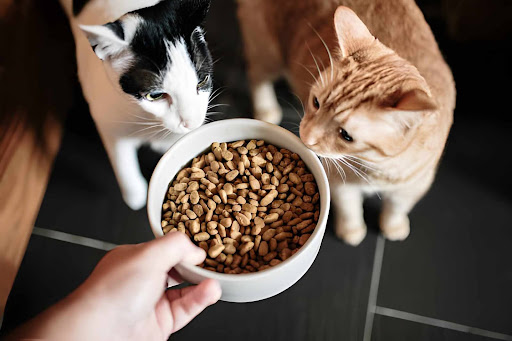
Overfeeding your cat is a common mistake many pet owners make, leading to obesity, digestive issues, and long-term health problems. Proper portion control for cats ensures your feline stays healthy, active, and happy. In this guide, we’ll explain practical strategies to manage your cat’s diet, especially when feeding dry or wet cat food, and how trusted sources like Pets Park can help you access the right products.
Cats have small stomachs and are prone to overeating, especially with free-feeding or high-calorie diets. Overfeeding can lead to:
- Weight gain and obesity
- Diabetes and heart problems
- Joint stress and reduced mobility
- Shortened lifespan
Maintaining proper portion sizes helps regulate weight, improves digestion, and encourages a longer, healthier life.
The amount of cat food your pet requires depends on:
- Age (kitten, adult, senior)
- Activity level
- Breed and size
- Health conditions
Example: A moderately active adult cat weighing 4–5 kg typically needs 200–250 kcal per day. Always check the feeding guidelines on the food packaging and adjust based on your vet’s advice.
Avoid “eyeballing” portions. Use a measuring cup or digital kitchen scale to serve the exact amount of cat food.
Tip: Keep a dedicated scoop for dry food and measure wet food by weight to maintain consistency.
Cats are natural grazers, but scheduled feeding prevents overeating:
- Feed 2–3 small meals for adult cats
- Kittens may require 3–4 meals daily
- Avoid leaving large amounts of food out all day
Real-World Use Case: Many pet owners buy portioned feeding bowls from Pets Park that separate meals into individual compartments.
Regularly weigh your cat to track progress and detect weight gain early. Adjust portion sizes based on activity levels, seasonal changes, or health advice from your veterinarian.
Tip: Maintain a journal of feeding times, quantities, and any treats to spot patterns leading to overfeeding.
Treats should not exceed 5–10% of your cat’s daily caloric intake. Choose healthy, low-calorie treats and incorporate them into the total portion to prevent accidental overfeeding.
Example: Pets Park offers portion-controlled cat treats suitable for training or reward purposes.
Interactive feeders, puzzle bowls, or slow-feed dishes make your cat work for food, promoting mental stimulation and slowing eating speed. This prevents bloating and overeating.
Tip: Puzzle feeders are especially useful for indoor cats with sedentary lifestyles.
Every cat is unique. For overweight cats or those with health issues, a veterinarian can provide tailored portion sizes, recommend specific cat food, and suggest supplements if needed.
- Free-feeding unlimited dry cat food
- Ignoring weight gain until it becomes significant
- Giving too many table scraps or high-calorie treats
- Not adjusting portions as cats age or activity levels change
Portion control is a vital aspect of responsible cat ownership. Measuring meals, scheduling feeding times, and using interactive feeding tools can prevent overfeeding, maintain a healthy weight, and improve overall well-being. Shopping from trusted sources like Pets Park in Pakistan ensures access to quality cat food, portion-controlled treats, and feeding accessories that make this process easier for cat owners.
Stay in touch to get more updates & news on Moon Valley News!
 Zarshal seo
  IQnewswire