 By Torin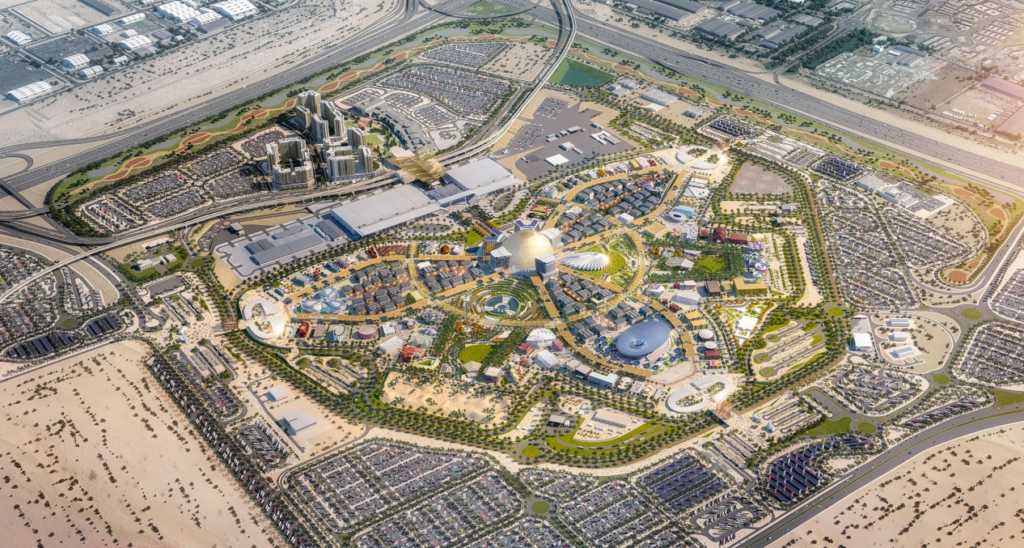
Dubai does not just follow global trends; it actively creates them. Over the last decade, the city has undergone a massive digital transformation, moving away from a traditional oil and trade economy to become a futuristic, technology-driven powerhouse. Initiatives like Expo 2020 proved to the world that Dubai is a global hub of innovation, while the ongoing “Smart Dubai” government mandate aims to make it the happiest and most digitally advanced city on earth. However, many private business owners fail to realize how these massive government projects directly impact their own companies. When they invest in Website Development Dubai, they often ask for a basic, standard website that looks like it was built five years ago. This is a critical mistake in today’s market.
When the government provides its citizens with world-class, seamless, and instantly responsive digital applications like the Dubai Police app, the RTA portals, or the DHA health systems, the standard for what a “good website” is completely changes. Residents of the UAE are now highly conditioned to expect speed, intelligence, and flawless digital integration in every single online interaction.
If a user can renew their passport or pay their electricity bill with three taps on their phone, they will absolutely not tolerate a slow, confusing website from a private business. In this blog, we are going to explore exactly how the grand vision of Smart Dubai is forcing private sector web design to evolve, and what features your business website must have to survive in this new digital era.
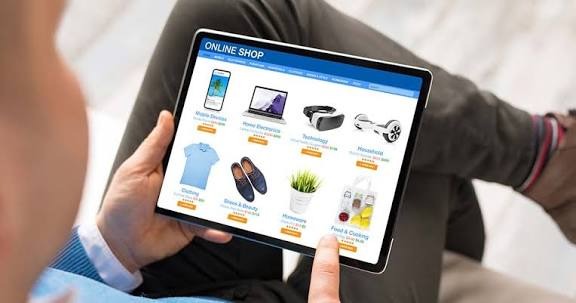
Ten years ago, a business could survive with a static website. A static website is essentially a digital flyer—it has a home page, an about us page, some photos of the product, and a phone number. It does not do anything; it just sits there waiting to be read. Because of the Smart Dubai initiative, residents are no longer interested in just “reading” a website. They want to “use” the website. They expect your website to be an interactive tool that solves their problems instantly without needing to make a phone call.

The Demand for Self-Service Portals: Consumers in the UAE are incredibly busy and value their time heavily, so they expect your website to have a private, secure login area where they can manage their own accounts, download their past invoices, or track their ongoing service tickets without ever speaking to a receptionist.
Integration with National Identity Systems: The UAE Pass has revolutionized how people log into government services, and private websites are now expected to integrate this exact same technology, allowing users to securely log into your business portal using their national digital ID instead of forcing them to remember yet another annoying password.
Real-Time Data Processing: Whether you are running a car rental agency or a medical clinic, your website must process data in real time, meaning if a user books an appointment at 2:00 PM, that time slot must instantly disappear from the screen for everyone else, preventing frustrating double-bookings that damage your brand reputation.
The Shift from Mobile-First to Mobile-Only: While developers used to design for a desktop computer and then shrink it down for a phone, the Smart Dubai culture means citizens do almost everything on their mobile devices; therefore, your entire web development process must actually start with the mobile screen, ensuring the buttons are large enough for thumbs and the menus do not require complex clicking.
One of the core pillars of Dubai’s future vision is Artificial Intelligence. The city has appointed a Minister of State for Artificial Intelligence and is actively building AI into its traffic grids, public transport, and security systems. As residents interact with these smart systems every day, their brains become accustomed to technology that anticipates their needs. If your website is dumb, static, and requires the user to do all the hard work to find information, you will lose them to a smarter competitor.
Hyper-Personalized User Journeys: A modern, AI-driven website remembers who the user is and changes its layout based on their past behavior; if a returning customer previously bought luxury watches from your store, the homepage should automatically rearrange itself to show them new watch accessories the moment they load the page, instead of forcing them to search the menu.
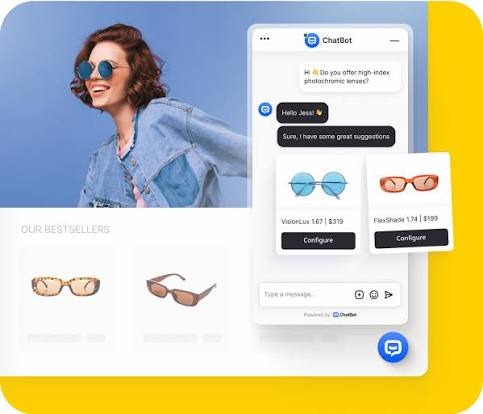
Smart Search with Typo Tolerance: Users are typing fast on their phones and constantly make spelling mistakes, so your website’s search bar must be powered by smart algorithms that know what the user actually meant to type, instantly delivering the correct product or article even if they misspelled the word completely.
Voice Search Compatibility: As more residents use voice assistants like Siri or smart home devices to ask questions while driving down Sheikh Zayed Road, your website’s text must be written in a conversational tone and coded with specific technical tags so that Google can easily read your answers out loud to a driving user.
Predictive Customer Support Modules: Instead of a simple contact page, your website should feature dynamic support sections that analyze the page the user is currently stuck on, automatically suggesting the exact help articles or video tutorials they need before they even have to ask a question.
During Expo 2020, one of the biggest global themes was sustainability. The UAE has committed to massive green energy goals, heavily promoting paperless offices and reduced carbon footprints across all industries. What most business owners do not realize is that the internet consumes a massive amount of electricity. Massive server farms require constant cooling, and heavy, poorly coded websites require more server power to load. As corporate sustainability becomes a legal and cultural expectation in Dubai, your website architecture must adapt to these green standards.
Writing Clean, Lightweight Code: A lazy developer will rely on heavy, bloated plugins that force a phone battery to drain faster just to load a single page; a modern developer writes clean, minimal code that loads instantly, significantly reducing the amount of data transferred and lowering the carbon footprint of your entire digital operation.
Adopting Dark Mode as a Standard: Because modern OLED smartphone screens actually turn off their pixels when displaying the color black, designing a seamless “Dark Mode” toggle on your website saves massive amounts of battery life for the user and directly contributes to a more sustainable digital ecosystem.
Choosing Green Web Hosting Providers: Your website physically lives on a computer server somewhere in the world, and you now have the responsibility to choose a hosting company that actively powers its data centers with solar or wind energy, allowing you to proudly display a “Green Hosted” badge that heavily appeals to eco-conscious corporate clients.
Streamlining Heavy Media Assets: Giant, uncompressed video backgrounds that automatically play when a website loads waste gigabytes of unnecessary data and electricity; smart web design requires compressing these videos and using modern image formats like WebP to keep the visual quality high while keeping the environmental impact incredibly low.
Dubai is rapidly positioning itself as the global capital of blockchain and Web3 technology. The government is already putting real estate deeds and legal contracts onto decentralized networks. As this technology becomes normal for everyday citizens, trust in the digital world is completely shifting. People no longer want to trust a single company with their private data; they want the mathematical proof and transparency that blockchain provides. Web development must begin incorporating these elements to stay relevant to high-net-worth individuals and tech-savvy investors in the city.
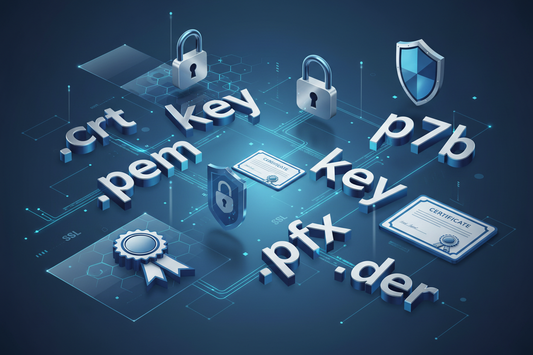
Decentralized Identity Verification: In the near future, users will not want to upload their physical passports to your website’s database where a hacker could steal it; instead, your website will need to accept decentralized digital wallets, allowing the user to prove their identity mathematically without ever handing over their actual private files.
Smart Contracts for Digital Transactions: For high-ticket industries like Dubai real estate or luxury car sales, websites will begin using automated smart contracts that hold a buyer’s deposit safely in digital escrow, instantly releasing the funds only when the legal paperwork is digitally signed, removing the need for slow bank approvals.
Token-Gated Website Access: Premium brands and exclusive member clubs in Dubai are moving away from traditional subscription passwords and instead requiring users to hold a specific digital token or NFT in their crypto wallet just to unlock the hidden VIP sections of the website.
Unbreakable Data Transparency: If your business claims that a product is ethically sourced or organic, modern consumers want proof; integrating blockchain tracking into your e-commerce site allows a buyer to click a button and trace the exact journey of their product from a global farm directly to their doorstep in Dubai, creating absolute, unbreakable brand trust.
The days of comparing your business website only to your direct competitors are over. In Dubai, your website is being quietly compared to the absolute best digital experiences in the world. When the city’s leadership is building flying taxi infrastructure, AI-powered police stations, and completely paperless government services, a slow, boring, static website makes your business look obsolete.
The vision of Smart Dubai is not just a marketing slogan for the government; it is a direct warning to the private sector. You must upgrade your digital infrastructure to match the speed and intelligence of the city you operate in.
When you approach your next web project, you have to think beyond pretty colors. You must demand personalized user journeys, flawless mobile execution, sustainable coding practices, and integrations that connect directly into the fast-moving lifestyle of the UAE resident. By aligning your website’s architecture with the futuristic vision of Dubai, you stop being just another traditional company and start becoming a true digital leader in your industry.
Keep an eye for more latest news & updates on MoonValleyNews!
 IQnewswire
  Sky Bloom IT
  Engrnewswire