 By Khizar seo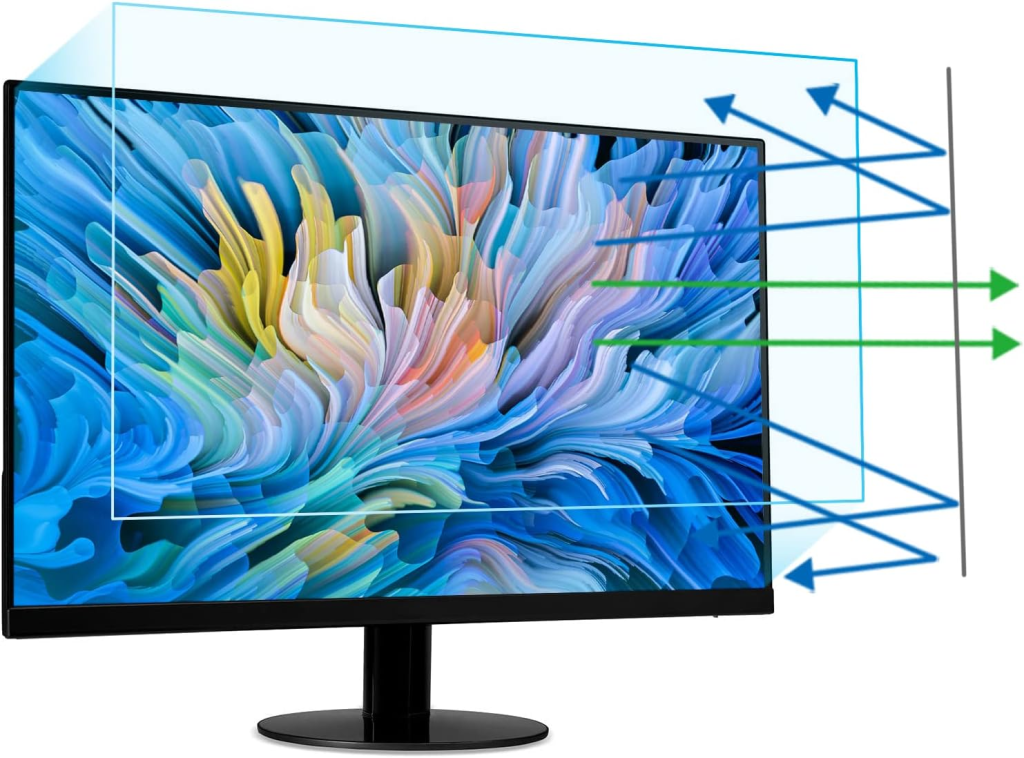
Do you stare at a screen most of the day? Whether you work on a laptop, gaming monitor, or computer display, the quality of your screen impacts your long-term comfort and productivity.
If you are considering buying a new monitor, then anti-glare should be one of the first features you consider. The truth is that an anti-glare monitor is an essential device for any person.
From a sunlight viewable monitor to a portable monitor or 4K portable monitor, you will most certainly benefit from a little extra protection from glare.
Today, many online sites are offering free gifts along with anti-glare screens so grab the deal before it’s gone.
This article will provide you with everything you need to know about what an anti-glare screen is, how it works, and why it’s important for eye health.
What is an Anti-Glare Screen?
An anti-glare monitor is a display with an optimized surface treatment, coating, or other material designed to diffuse and reduce reflections from the surface.
Anti-glare screens are designed to keep your screen legible in sunlight or other bright lighting conditions. These screens work by disrupting the reflected light waves that cause glaring, and many of them employ a matte or semi-matte finish.
Anti-glare is most commonly found in:
- Sunlight viewable monitors
- Portable monitors for travel and field use
- 4K portable monitor for professional use and detail-critical work
- Tablets and laptops for outdoor or bright space use
- All-in-One computers for home and business
Essentially, any time you want to be able to watch videos, work, or look at your screen without being distracted or burned out by glare, an anti-glare monitor is a must-have.
Anti-glare coatings work by diffusing the light coming off the surface of your screen, so that the reflection will bounce away from your eyes and line of vision, rather than directly into your eyes.
How Anti-Glare Coating Works
Anti-glare coatings work in a few different ways, but most commonly:
1. The screen has a matte finish or surface texture that scatters and diffuses light instead of reflecting it directly into your eyes.
This is the easiest visual way to recognize an anti-glare display.
2. Many anti-glare displays also use a special chemical optical coating on the glass to further diffuse and filter the intensity of the light.
This works especially well for sunlight viewable displays, as it also helps reduce the intensity of bright sunlight striking the surface.
Why Anti-Glare Screen Matters For Eye Health
Glare on your screen is not just a mild annoyance. Glare also greatly affects visual comfort and eye health in the long-term, and anti-glare screens make a difference.
1. It Reduces Eye Strain
Glare and reflections force your eyes to work overtime to see and focus on the content on your screen.
Your eyes are getting conflicting visual information, and they become fatigued quickly as a result.
An anti-glare monitor helps reduce eye strain because text and images stay readable and consistently easy on the eyes.
Symptoms of eye strain and glare issues include:
- Headaches
- Dry, burning, or itching eyes
- Difficulty focusing
- Blurry vision
An anti-glare display will often help immediately alleviate these problems.
2. Improve Contrast Ratio and Readability
Glare can also wash out on-screen colors and contrast, making it hard to see important detail or making your eyes strain to pick things out.
An anti-glare screen keeps a more stable contrast ratio even in bright light, allowing your eyes and brain to process information and text more naturally and with less strain.
An anti-glare treatment helps readability on your screen even when conditions are not perfect.
3. Safer Outdoor or Bright-Light Viewing
If you use a laptop, tablet, or portable monitor outdoors in the sunlight, or indoors next to a window, you need anti-glare technology.
Screens without anti-glare cause you to squint, constantly refocus, and subject your eyes to high-intensity light bouncing off the screen.
This is very bad for eye health and is a common trigger for eye pain, discomfort, and eye fatigue.
4. Long-Term Eye Health
Glare can also add up over the years and contribute to digital eye strain and long-term visual stress. Anti-glare screens help cut down on this problem.
Used in combination with good habits like regular blinking, proper brightness, and taking breaks, anti-glare screens promote longer and healthier screen use.
Comparison: Matte vs Glossy Screens & Benefits of Anti-Glare
| Feature | Matte / Anti-Glare Screen | Glossy Screen |
| Visibility in sunlight | Excellent, reflections diffused | Poor, heavy reflections |
| Eye strain | Low, comfortable for long use | High, due to glare |
| Color accuracy | Slightly muted but stable | Bold but easily washed out in light |
| Readability | Very clear even in bright spaces | Can become unreadable with reflections |
| Fingerprint visibility | Low | High |
| Best used for | Portable monitors, sunlight viewable monitors, office work | Indoor entertainment, graphic design in controlled light |
Who Needs Anti-Glare Screens the Most?
Some groups of people are naturally more suited for anti-glare screens.
These are the people who will benefit the most from an anti-glare:
- Remote workers and students
- Outdoor professionals
- Creative professionals like photographers, video editors, and designers
- Gamers
- Construction workers
- Inspection and field operation professionals
- Drivers
- Veterinarians
- Hospital workers and nurses
- Healthcare professionals
- Office workers
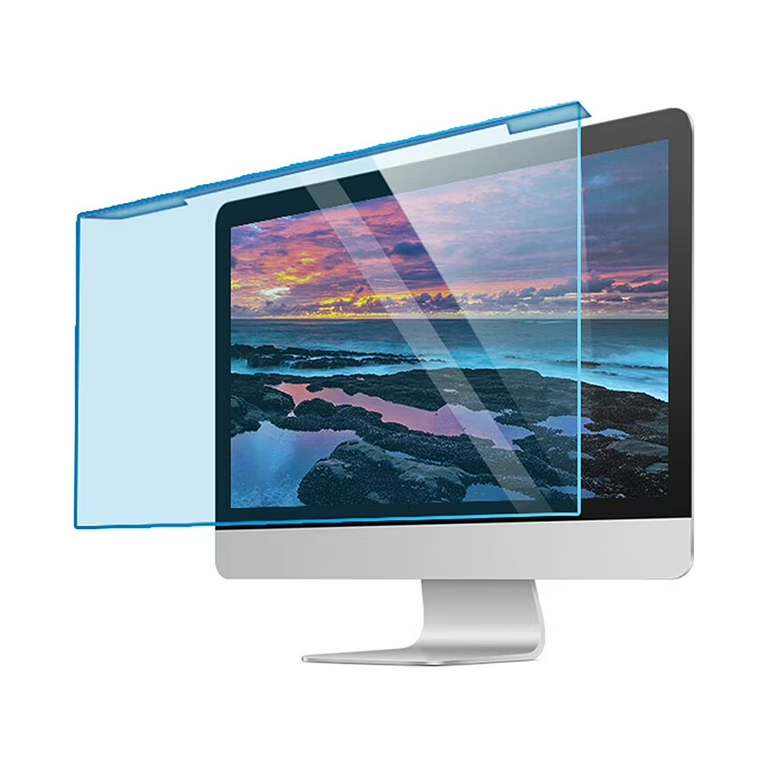
How to Choose an Anti-Glare Monitor
To choose a good anti-glare monitor, follow these tips:
Look for a Matte Finish
- This is the number one visual sign that your monitor has anti-glare protection.
Brightness Over 400–500 Nits is Ideal
- The higher the brightness, the more usable your monitor is in bright light.
- Sunlight viewable monitor will be 1000 nits or higher.
Opt for Portability
- A portable monitor with anti-glare is ideal for workers and travelers.
Choose High Resolution
- Resolution 4K portable monitor ensures both sharpness and visual comfort.
Wide Viewing Angles are Important
- Better for collaboration and shared screen viewing.
Frequently Asked Questions (FAQs)
1. What is the point of an anti-glare screen?
The main point of an anti-glare screen is to reduce reflections and harsh light that can cause eye strain.
Anti-glare allows for easier viewing of a screen in both indoor and outdoor environments.
2. Is an anti-glare the same as a matte screen?
They are not exactly the same. A matte screen will always have some level of anti-glare, but some matte screens do not have added anti-glare treatments.
Anti-glare can also be added to glossy screens through additional treatments and coatings.
3. Does an anti-glare reduce screen color quality?
It can make colors slightly less vibrant, but the big trade-off for having anti-glare is improved visibility in bright conditions. This vastly improves the viewing experience, despite any mild color trade-off.
4. Do portable monitors have anti-glare?
Yes, many do. It is a common feature since portable monitors are often used in various lighting conditions. Check the specs or product description before purchasing a new portable monitor.
5. Is an anti-glare screen good for 4K?
Yes, and for all higher resolutions, really. Anti-glare coatings make the most sense on high-resolutions, since you want to be able to see all that detail without having reflections ruin the effect.
6. Will an anti-glare help with headaches?
Yes, anti-glare screens can help with headaches caused by eye strain from looking at a screen.
7. Is anti-glare good for sunlight use?
Yes, especially if you combine it with high brightness. This is why sunlight viewable monitors have top-of-the-line anti-glare.
Conclusion
Anti-glare monitors have become a necessity for anyone that uses a display for hours on end every day.
Reducing harsh reflections, improving clarity in bright light, and making the screen easier on the eyes are important features of any display technology. You should make sure that your next display has an anti-glare coating for maximum comfort, productivity, and eye health.
 Torin
Torin  Ghulam Murtaza