 By Khizar seo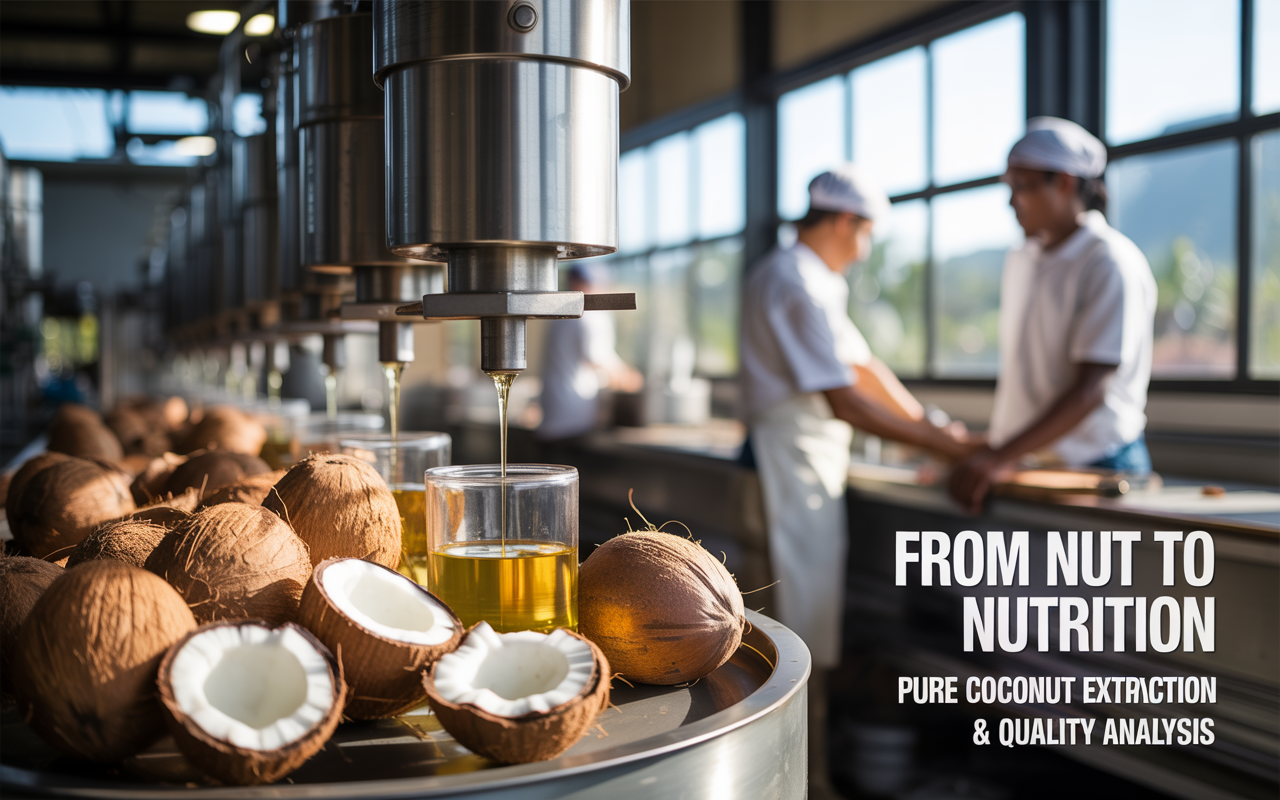
Coconut oil has earned a special place in kitchens around the world. It is valued for its clean taste, health benefits, and versatility. But what many people don’t realize is that producing high-quality coconut oil takes more than just pressing coconuts. Behind every bottle of pure, premium oil is a careful process of extraction, testing, and quality control.
Two steps are especially important. The first is understanding how coconut oil is extracted. The second is oil density analysis, a simple but powerful method used to check purity and consistency. Together, these processes help producers deliver cooking oils that are safe, stable, and nutritious.
Cooking oil quality directly affects health, taste, and shelf life. Poorly processed oils may contain moisture, impurities, or unstable compounds that reduce nutritional value and cause fast spoilage.
Coconut oil is often used for frying, baking, skincare, and even traditional medicine. That makes purity essential.
To meet modern expectations, producers must follow clean extraction methods and use proper analysis techniques to confirm oil quality before selling it.
To understand coconut oil quality, we first need to look at the extraction process itself.
Coconut oil is extracted from dried coconut meat, also known as copra, or from fresh coconut meat. The quality of the raw coconut and the method used play a major role in the final oil.
There are two main extraction approaches:
- Cold Pressing — This method uses mechanical pressure without high heat. It helps preserve natural nutrients, aroma, and taste. Cold-pressed coconut oil is often sold as premium cooking oil.
- Hot Pressing — In this method, coconut meat is heated before pressing. It usually produces more oil, but may slightly affect flavor and nutrient content. The oil then goes through refining and filtration.
Both methods can produce high-quality oil when done correctly, especially when followed by proper filtration and testing.
A controlled extraction process reduces contamination and preserves healthy fats. Clean equipment, correct temperature control, and proper moisture removal help prevent spoilage and oxidation.
Producers who use modern oil presses and filtration systems can achieve:
- Clear oil appearance
- Mild, pleasant aroma
- Stable cooking performance
- Longer shelf life
But even visually clear oil still needs testing. That’s where oil density analysis plays a key role.
Oil density measures how heavy oil is compared to its volume. It may sound technical, but it is one of the simplest and most reliable ways to check oil purity.
For edible oils, density values fall within a specific range. If the density is too high or too low, it may signal problems such as adulteration, excess moisture, or improper processing.
This concept is explained clearly in this guide on Edible & cooking oil density.
Density analysis is often used alongside visual inspection and filtration. It helps producers ensure that the oil meets quality standards before packaging.
Here’s why it’s important:
- Confirms oil is free from unwanted additives
- Detects leftover water content
- Helps maintain batch-to-batch consistency
- Builds trust with buyers and food regulators
For coconut oil producers, density analysis ensures that what reaches consumers is pure oil—not diluted or poorly processed product.
Density isn’t just about purity. It also affects how oil behaves during cooking.
Correct density coconut oil:
- Heats evenly
- Maintains stability at high temperatures
- Preserves beneficial fatty acids
- Delivers consistent texture and taste
Oil that does not meet proper density standards may smoke too quickly or break down during cooking, reducing its nutritional value.
One major advantage of modern oil extraction and testing methods is accessibility. These processes are no longer limited to large factories.
With compact oil presses and basic density testing tools, small and medium producers can:
- Extract their own coconut oil
- Test quality on-site
- Sell premium cooking oil locally
- Build trusted brands
This has helped many entrepreneurs turn coconuts from a raw crop into a valuable finished product.
Consumers today are more aware of what they consume. Labels like “pure,” “natural,” and “cold-pressed” only carry meaning if backed by real processes and testing.
Oil density analysis helps producers confidently stand by their claims. When combined with clean extraction methods, it supports food safety standards and long-term customer trust.
Producing premium coconut oil is a journey. It starts in the coconut grove and ends in the kitchen. Every step matters.
From understanding how coconuts are processed, to knowing how is coconut oil extracted, to testing Edible & cooking oil density, each stage contributes to oil quality.
When extraction is clean and density is correct, the result is clear, stable, nutritious oil that performs well in cooking and supports healthy living.
Coconut oil is more than just a cooking ingredient. It’s a nutrition-rich product that requires care, precision, and knowledge to produce properly.
By combining modern extraction methods with oil density analysis, producers can ensure oil purity, safety, and value. These practices help meet market demand for clean, premium cooking oils and support sustainable, profitable oil production.
From nut to nutrition, quality isn’t an accident. It’s the result of the right process, the right testing, and a commitment to excellence.
 Torin
Torin  Ghulam Murtaza