 By Torin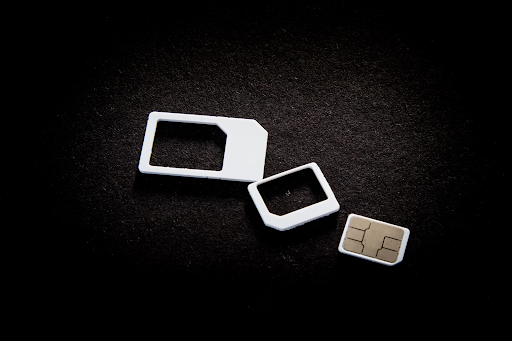
Travel loses its charm fast when maps stop loading and messages stay unsent. A simple plan keeps the signal alive. eSIM turns the phone into a flexible travel card that can hold several profiles at once. With a little prep, it becomes easy to swap operators, compare prices, and avoid surprise fees while crossing borders.
A second line can also separate work and play. Some travelers keep a local data eSIM for maps and chat, while the home number remains available for calls. During long transfers, casual apps, streams, or a quick round in teen patti casino online may fill the wait, yet the core goal stays the same. Reliable connectivity prevents missed check-ins, stalled ride bookings, and awkward payment screens.
Physical SIM swaps take time and can go missing. eSIM profiles download by scanning a QR code or entering an activation code. Many phones support multiple stored profiles with one active for data and another for calls. Activation is often instant. Prices are easier to compare before departure, and short regional plans can beat daily roaming fees by a wide margin.
Compatibility still matters. Some budget phones support only a single eSIM, and a few carriers require at least one physical SIM present. Coverage maps differ by city and countryside. Premium 5G on a poster does not guarantee strong indoor reception, so planning beats guesswork.
- Check device and carrier support
Confirm that the phone accepts eSIM and that the destination carriers support it. Look for frequency bands used in the region. - Download profiles ahead of time
Buy a travel eSIM online and store the QR code securely. Activation upon landing takes seconds. - Label lines clearly
Name profiles by country or purpose to avoid confusion in settings. - Choose the default for data
Keep the home line for calls and set the travel profile for data to dodge roaming charges. - Enable Wi-Fi calling
When permitted, calls route over hotel Wi-Fi, which stretches small data plans.
Roaming from a home carrier is simple but can be expensive. Daily passes look harmless until a long trip multiplies the cost. Local eSIM plans sold by regional operators or marketplaces often include generous data caps for a week or a month. Tethering policies vary, so reading the fine print prevents unpleasant surprises when connecting a laptop.
Some regions bundle social media passes or night data. Those bundles can be useful for streaming but may not count maps or hotspot traffic. A balanced plan with standard data usually wins for navigation, ride hailing, translation, and cloud photos.
Europe treats roaming inside many countries like domestic service for residents, though visitors on travel eSIMs still need to read fair use limits. In parts of Asia, 5G is fast and widely available, yet prepaid plans may ask for ID verification. The Middle East often offers airport kiosks that activate eSIMs on the spot. North America mixes broad coverage with patchy rural performance. Latin America improves yearly, yet city and interior gaps remain.
Airports sell convenience at a premium. City shops and official apps usually drop prices. If arrival is late, a one-day roaming pass can bridge the gap until a better eSIM is activated in the morning.
Poor reception drains batteries. Turning off the unused line reduces idle scans. Low power modes preserve charge during long days out. Speed claims vary by tower load. Real performance depends on distance, buildings, and time of day, so testing a small pack before buying a large one is smart.
Public Wi-Fi fills gaps but invites risk. A privacy-first setup uses a trusted VPN, disables auto-join for unknown networks, and avoids sensitive logins on open hotspots. eSIM does not change basic security hygiene. Backups and screen locks still matter.
- Data works, calls fail
Check voice roaming permission and Wi-Fi calling settings. Some data-only eSIMs exclude voice. - No service after landing
Toggle airplane mode, reboot, and confirm the correct profile is set for data. Add the APN manually if required. - Weak signal indoors
Switch to 4G if 5G is unstable. Move near windows. Consider a different carrier if walls are thick. - Hotspot not allowed
Review plan terms. Some providers block tethering or limit it to a small quota. - Billing looks wrong
Capture screenshots of plan details and usage counters. Contact support through chat while connected to Wi-Fi.
Small daily needs often fit a 3 to 5 GB weekly plan. Heavy navigation, cloud photo uploads, and streaming push usage higher, so a monthly 10 to 20 GB pack offers more comfort. Defer big updates until Wi-Fi. Download maps offline. Cache playlists and translation packs. These low-effort habits stretch data without lowering quality of travel.
Keep two lines ready. The home line holds the number for banks and family. The travel eSIM provides data at local rates. Label each, set the data default, and keep Wi-Fi calling available. With those steps finished before departure, the phone behaves like a local device upon landing, which turns border crossings into routine moments instead of mini emergencies.
Take a photo of the eSIM QR code, store it in a secure notes app, and carry a printed copy as a backup. Confirm that messaging apps are linked to the preferred number. Test a short call over Wi-Fi. With that checklist complete, navigation, payments, and check-ins stay reliable across countries, and the trip keeps its rhythm from gate to city center.
 HG Star