 By ENGRNEWSWIRE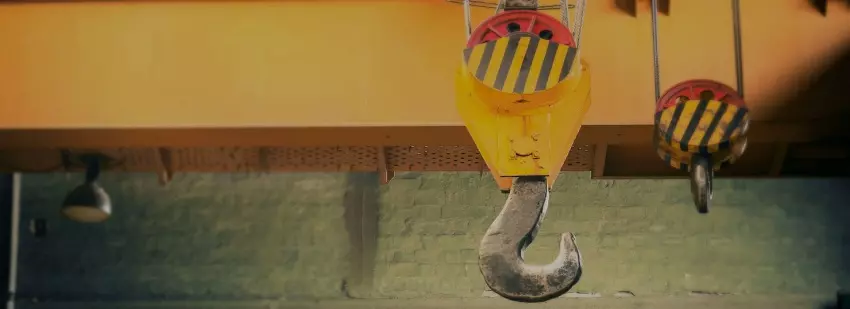
In the world of heavy lifting and construction, efficiency and safety are everything. Whether you’re working on a high-rise building, a bridge, or an industrial site, the right tools make all the difference. One of the most critical components in any lifting operation is the Below-the-Hook Hub, which plays a central role in managing and organizing crane attachments.
This guide breaks down everything you need to know about below-the-hook systems, how they work, and why they are essential for modern lifting operations.
A Below-the-Hook Hub refers to a centralized system or arrangement of lifting components that attach beneath a crane’s hook. These components are designed to securely handle loads of different shapes, sizes, and weights.
Instead of relying on a single attachment, the hub acts as a flexible connection point where multiple crane lifting equipment options can be used interchangeably. This improves efficiency, reduces downtime, and enhances safety across lifting operations.
Crane attachments are not just add-ons—they are essential tools that determine how effectively a crane can perform a job. The right attachment ensures:
- Proper load balance
- Reduced risk of accidents
- Faster lifting operations
- Protection of materials
Without the correct rigging equipment for cranes, even the most powerful crane can become inefficient or unsafe.
A Below-the-Hook Hub typically includes a range of attachments, each designed for specific tasks. Here are some of the most commonly used options:
Lifting beams are designed to distribute the weight of a load evenly. They are ideal for handling long or bulky materials like steel bars or pipes.
Spreader bars help stabilize loads by keeping lifting slings at a fixed distance. This reduces stress on the load and prevents damage.
Hooks and shackles are the most basic yet essential construction lifting devices. They provide secure connection points between the crane and the load.
Slings are flexible lifting tools that wrap around loads. They are widely used in crane lifting equipment setups due to their versatility.
These attachments are used for lifting materials like plates, sheets, or concrete blocks without the need for slings.
With a centralized hub, switching between different crane attachments becomes quick and easy. This reduces downtime and keeps projects moving smoothly.
Using the right rigging equipment for cranes minimizes risks such as load slipping, imbalance, or equipment failure.
A Below-the-Hook Hub allows operators to handle a wide variety of loads without needing multiple cranes or setups.
Instead of investing in multiple specialized machines, companies can rely on one crane with interchangeable construction lifting devices.
Selecting the right equipment is critical. Here are some factors to keep in mind:
Always ensure the attachment can handle the weight of the load. Overloading can lead to serious accidents.
Different materials require different handling methods. For example, fragile materials need soft slings, while heavy steel may require chains.
Outdoor conditions like wind, rain, or extreme temperatures can affect the performance of crane lifting equipment.
Make sure the attachment is compatible with your Below-the-Hook Hub and crane system.
Safety should always be a top priority when working with rigging equipment for cranes. Follow these guidelines:
- Inspect all attachments before use
- Never exceed load limits
- Ensure proper rigging techniques
- Train operators thoroughly
- Use certified and tested equipment
Regular maintenance of construction lifting devices is also essential to prevent wear and tear from causing failures.
Below-the-Hook Hubs are used across various industries, including:
Construction
From lifting concrete slabs to steel structures, crane attachments are vital on construction sites.
Manufacturing
Factories use crane lifting equipment to move heavy machinery and materials efficiently.
Shipping and Logistics
Ports rely on rigging equipment for cranes to load and unload cargo containers.
Oil and Gas
Heavy-duty construction lifting devices are used for handling pipes, drilling equipment, and other large components.
Modern innovations are making Below-the-Hook systems smarter and safer. Some advancements include:
- Load monitoring sensors
- Remote-controlled attachments
- Automated rigging systems
- Lightweight yet stronger materials
These improvements are transforming how crane lifting equipment is used, making operations faster and more precise.
The demand for efficient lifting solutions is growing, and Below-the-Hook systems are evolving to meet these needs. In the future, we can expect:
- More automation in crane attachments
- Increased use of smart sensors
- Enhanced safety features
- Eco-friendly materials
These advancements will continue to improve the performance of construction lifting devices across industries.
A Below-the-Hook Hub is more than just a collection of tools—it’s the backbone of efficient and safe lifting operations. By using the right crane attachments, businesses can improve productivity, reduce risks, and handle complex lifting tasks with ease.
Whether you’re in construction, manufacturing, or logistics, investing in high-quality crane lifting equipment and maintaining proper rigging equipment for cranes is essential. With the right approach, these systems can significantly enhance your operations and ensure long-term success.
 Torin
Torin